
KLM will experience significant disruption tomorrow as ground staff plan a six-hour strike at Amsterdam Schiphol Airport, leading to canceled and rescheduled flights. This is the third strike due to unsuccessful pay negotiations with union representatives. Short-haul European flights will bear the brunt of the cancellations. Another strike is scheduled for October 1.
Browsing: Aviation News
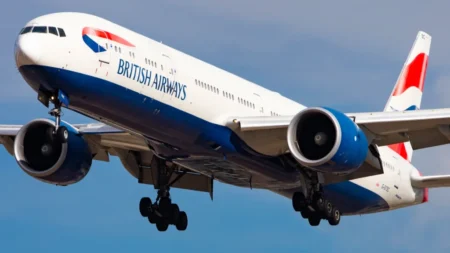
Passengers traveling on the Boeing 777 often report fatigue and discomfort due to factors such as cabin pressurization and humidity levels. Unlike newer aircraft like the Boeing 787 and Airbus A350, the 777’s design contributes to less optimal flying conditions. Future improvements with the Boeing 777X aim to address these issues, enhancing passenger comfort on long-haul flights.
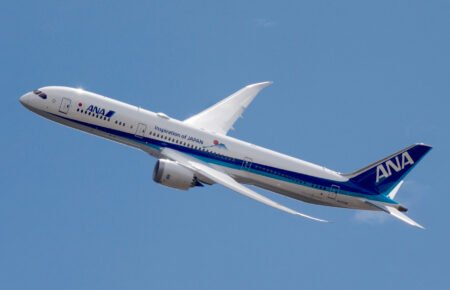
The Boeing 787 Dreamliner is a significant aircraft in commercial aviation, notably for its fuel efficiency and range flexibility, which benefit airlines and passengers. Utilizing advanced materials, aerodynamics, and engine technologies, the Dreamliner achieves substantial operational savings while offering mission flexibility through various aircraft variants. The move to a more-electric architecture and improved passenger comfort features are also key factors that enhance its efficiency.
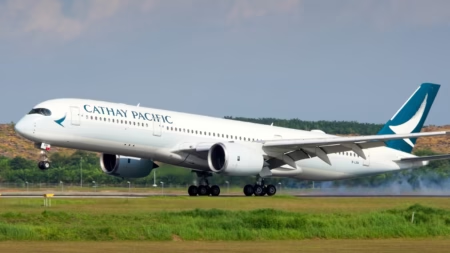
Cathay Pacific will restart its Hong Kong to Seattle service with five weekly flights on the Airbus A350-900, commencing March 2026 after a pandemic-induced pause. The new schedules accommodate both passenger and cargo needs, with promotional fares available. The carrier emphasizes connectivity via its expansive Cathay Group network.
LATAM Airlines Group has confirmed an order for up to 74 Embraer E195-E2 jets to improve connectivity in South America. This deal highlights the airline’s strategic investment in regional expansion and marks a significant shift for LATAM, which does not currently operate Embraer jets. The E195-E2 model is known for its superior fuel efficiency and passenger comfort.
The Airbus A360 has sparked curiosity but remains a speculative designation in Airbus’s lineup. The company has no plans to release such an aircraft, focusing on evolving its existing models and sustainable projects like the ZEROe initiative. The gap left by the A360, while intriguing, does not currently align with Airbus’s strategic priorities, which emphasize technological advancement and emission reductions in the existing fleet.
Delta Air Lines canceled its inherited Boeing 787 orders, acquired during the merger with Northwest Airlines, prioritizing Airbus aircraft for fleet uniformity and cost-efficiency. Despite rumors of future Boeing 787-10 orders, Delta’s current strategy leans towards expanding its Airbus fleet, particularly the A350 models, for international expansion.
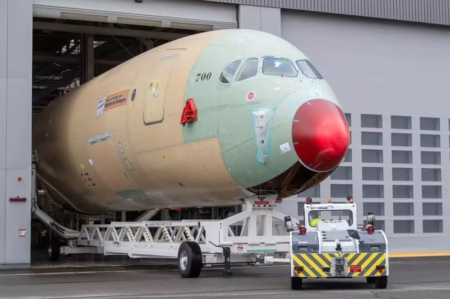
The Airbus A350F poses a significant advancement in air freight with its state-of-the-art cargo door and composite materials. While Airbus progresses with its A350F, poised to enter service by 2027, Boeing has yet to start developing a competing 787F model. With pending regulatory changes in emissions, Airbus could see a major market lead if Boeing fails to produce a suitable contender.
Super Typhoon Ragasa has prompted the closure of four major airports in South China, including Hong Kong, due to anticipated severe weather conditions. The shutdowns are coordinated to mirror the typhoon’s projected impact on the region. Safety is prioritized, causing significant disruptions in some of Asia’s busiest airports, with recovery dependent on post-storm evaluations.
Lockheed Martin has revealed Vectis, an autonomous collaborative combat aircraft designed to operate alongside the F-35 in multi-domain missions. Utilizing stealth technology, Vectis promises high survivability at a competitive cost. Key specifications remain undisclosed, but the project is moving forward with plans for a prototype within two years.