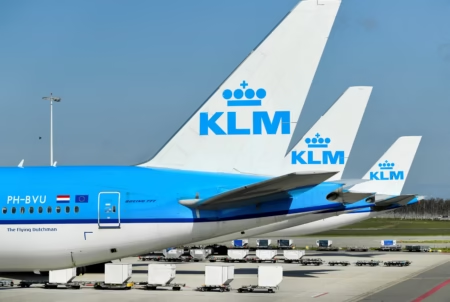
KLM is facing a financial setback with losses surpassing €30 million attributed to strikes by ground crew at Amsterdam Airport Schiphol. Continuing industrial actions threaten to augment these losses by an additional €10 million. The ongoing disruptions come as KLM navigates a rigorous cost-saving program against a backdrop of stiff competition and heightened aviation taxes.
Browsing: Airline Updates
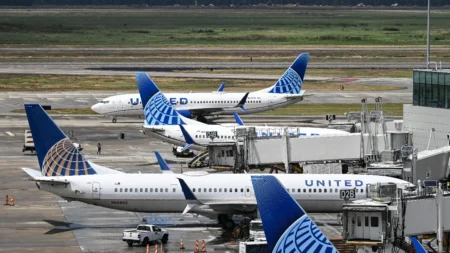
United Airlines grounded flights across the U.S. and Canada due to a connectivity issue, affecting major hubs like Chicago O’Hare and Newark Liberty. The incident was resolved quickly, but analysts emphasize the importance of robust IT systems to prevent reputational damage from repeated technical failures.
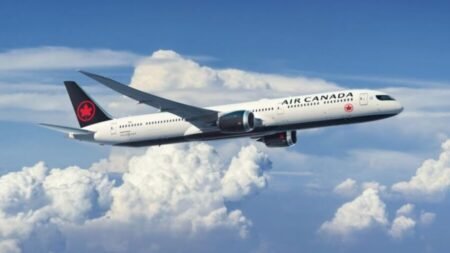
Air Canada resumes its direct flights between Toronto and San Antonio, marking the return of a service suspended since 2019. This seasonal route operates three times a week, benefiting both tourists and business travelers. City leaders emphasize its economic benefits, while future plans discuss extending the service year-round to match rising demand.
Lufthansa will celebrate its 100th anniversary by launching “Project FOX” to revolutionize the long-haul passenger experience. Significant investments will enhance meal choices and cabin amenities across all classes, underscoring Lufthansa’s commitment to premium service. The airline will deploy these improvements alongside its diverse fleet, including future expansions with Boeing and Airbus aircraft.
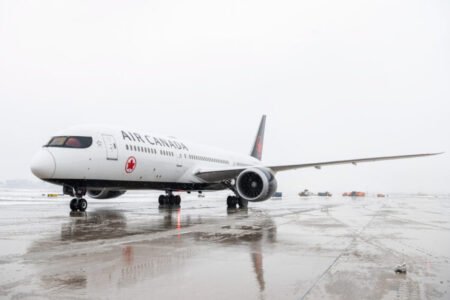
Air Canada is extending its Ottawa to London route to a year-round service with three weekly Boeing 787 flights during the winter season. This extension supports both passenger and cargo traffic and increases access to Europe. The transition to an Airbus A330-300 in the summer will offer more premium seating.
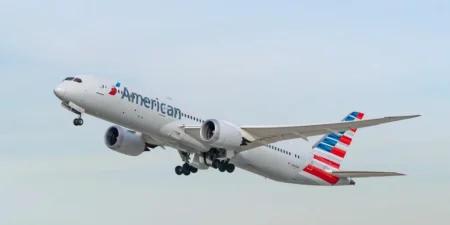
American Airlines introduces a new nonstop service between Boston and Buffalo, challenging JetBlue’s existing monopoly. Concurrently, the airline is scaling back in Miami by ending the Sacramento route, focusing instead on routes from major hubs. This move aligns with its strategy to balance demand and capacity while optimizing profitability.
Air India was named the ‘Most Improved Airline’ at the APEX Global EXPO, recognizing its notable advancements through the Vihaan.AI transformation strategy. The airline has implemented significant upgrades, including a large aircraft order and cabin refurbishments, enhancing passenger experience and service quality. CEO Campbell Wilson attributes this success to frontline employees, highlighting the airline’s future focus on consistency and global competitiveness.
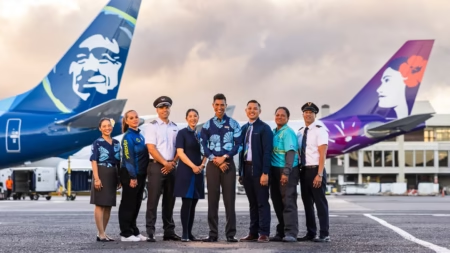
Alaska Air Group is boosting its premium lounge offerings following its merger with Hawaiian Airlines to enhance transpacific travel. With expansions planned across Seattle, Honolulu, and San Diego, these developments feature efficient designs and island hospitality. The lounges aim to serve premium passengers with advanced facilities, aligning with new transpacific routes and encouraging reciprocal lounge benefits through Atmos Rewards by 2025.
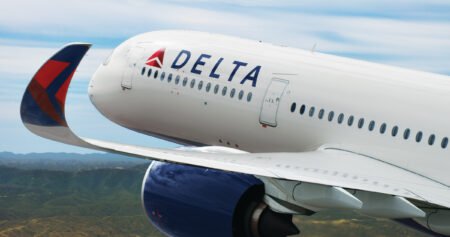
In 2025, Delta Air Lines leads the global ranking of the richest airlines, owing to its significant market value and asset base. United Airlines follows closely due to its extensive network and strategic investments. European groups like Lufthansa and IAG, along with Gulf powerhouse Emirates and Chinese giants, remain influential players, illustrating diverse strategies for financial success in worldwide aviation.
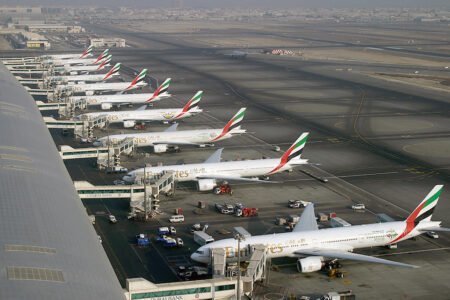
Emirates operates an exclusive all-widebody aircraft fleet dominated by the Boeing 777 and Airbus A380 as of 2025. The airline maintains the largest global fleets of these models and has started integrating Airbus A350s to further diversify its operations. Emirates continues to provide luxury features across its fleet, highlighting a commitment to both capacity and comfort.