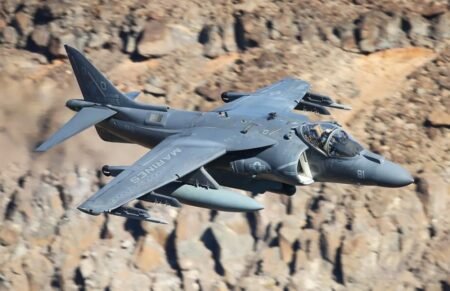
Two AV-8B Harrier II+ jets have been retired to Castle Air Museum in California and Tillamook Air Museum in Oregon. These aircraft, once key components of Marine Corps combat and test operations, will now serve as historical exhibits. Their retirement marks the Marine Corps’ shift to next-generation aircraft while preserving the Harrier’s legacy for future generations.
Browsing: Aircraft Updates
The article explores seven fighter jets with exceptional service longevity, highlighting how modernization and proven designs keep them operational. Older jets like the McDonnell Douglas F-4 Phantom II and the Boeing B-52 Stratofortress remain in use due to upgrades, cost-saving measures, and adaptability, underscoring their continued relevance in modern military operations.
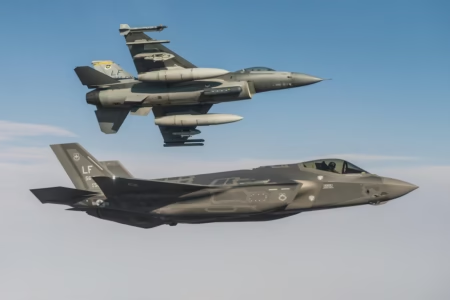
The F-35 Lightning II is gradually replacing the F-16 Fighting Falcon across the US Air Force and allied nations due to its advanced stealth, sensor fusion, and operational capabilities. As a fifth-generation fighter, the F-35 offers a significant upgrade, with higher survivability, a comprehensive sensor suite, and ease of modernization, making it superior to the aging F-16 despite higher acquisition costs.
The FAA has imposed mandatory inspections on 119 Boeing 787 Dreamliners to address potential oxygen mask faults and a pilot seat switch issue, enhancing safety. The measures aim to rectify these concerns through efficient, cost-effective solutions while minimizing operational impacts for U.S. airlines.
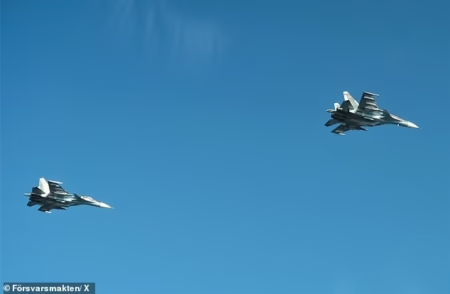
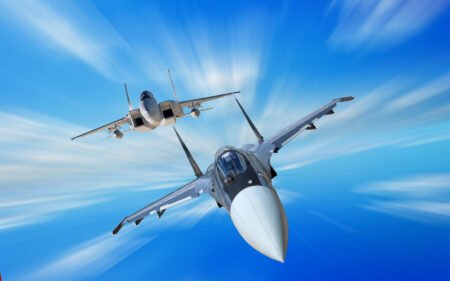
The Swedish Air Force’s JAS-39 Gripen fighters intercepted two Russian Su-30 aircraft over the Baltic Sea, which were armed with KH-31 anti-radar missiles. This action highlights ongoing tensions in the region following Sweden’s NATO membership and signals Russia’s aggressive military stance on NATO’s periphery.
The analysis identifies the top five airlines by widebody aircraft fleet size. Emirates leads with 264 widebody aircraft, followed by United Airlines with 227. Qatar Airways and Delta Air Lines also have substantial widebody fleets, prioritizing modern, efficient aircraft. Turkish Airlines uses its fleet of 154 widebodies effectively to connect its Istanbul hub to global destinations.
The Airbus A380 and Boeing 777X represent contrasting eras and strategies in aviation. The A380 focused on maximum passenger capacity, while the 777X offers modern efficiency and flexibility. The shift in airline priorities towards efficiency has resulted in the 777X gaining favorable interest, supported by orders from major airlines as they phase out the A380.
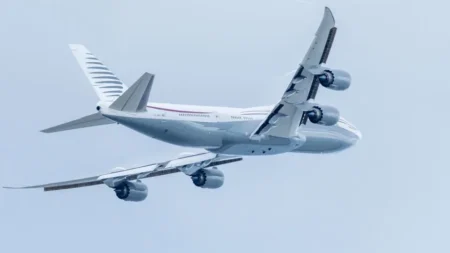
The US Air Force is modifying a Qatar-gifted Boeing 747-8 to serve as a presidential aircraft. Despite earlier setbacks in the Air Force One program, this effort seeks to provide an alternative transport for President Trump by early 2026, amid concerns about costs and security.
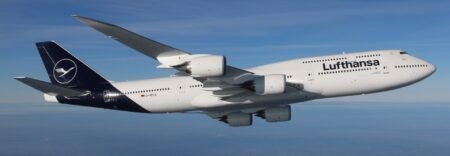
Lufthansa continues to be a significant operator of the Boeing 747 family, utilizing both older 747-400s and newer 747-8s for passenger flights. Despite the industry trend towards twinjets, Lufthansa maintains a robust schedule with these quadjets, reflecting their strategic importance. The carrier’s aircraft routinely serve major international routes from Frankfurt, with retrofitting efforts underway to enhance the flying experience.
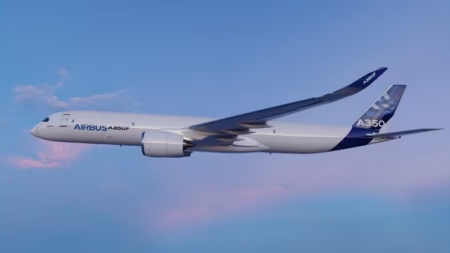
The Airbus A350 freighter aims to elevate Airbus’ share in the global cargo market, with approximately 68 orders against a backdrop of anticipated freight demand growth. Despite supply chain challenges pushing back its entry into service to 2027, progress continues with key components being assembled. Several airlines maintain robust commitments, while the freighter’s efficiency highlights potential operational benefits.