
Browsing: Aircraft Updates

IndiGo's Fleet

IndiGo Airlines has partnered with Thales for an extensive 11-year maintenance agreement covering its current and future Airbus fleet. This deal includes advanced avionics repair services and a state-of-the-art MRO facility in Gurugram, underscoring IndiGo’s focus on operational reliability and safety. The partnership also extends to renewing a contract for Thales’s AvioBook Flight system, streamlining flight operations across IndiGo’s fleet.
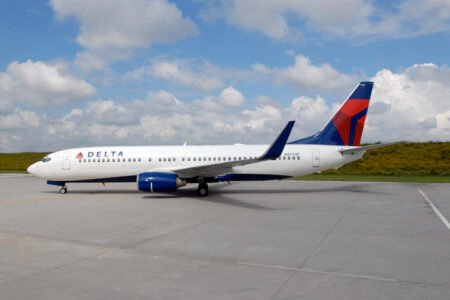
Delta Air Lines Boeing 737-800

Delta Air Lines’ retrofit of its Boeing 737 fleet with Split Scimitar Winglets is a strategic initiative to enhance fuel efficiency, reduce operating costs, and minimize carbon emissions. This decision underscores Delta’s commitment to sustainability and financial prudence, while maintaining operational flexibility.

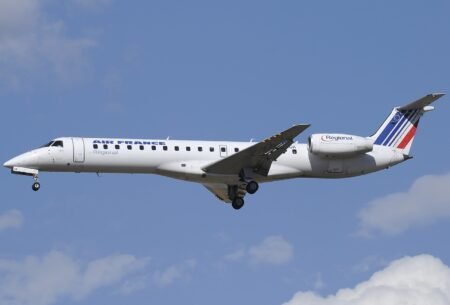
Embraer ERJ-145LU Air France

Embraer is facing an indefinite strike by metalworkers at its Brazilian plant since September 17, 2025. The workers seek wage increases and improved labor agreements. Despite the strike, Embraer’s operations continue unaffected, with the company maintaining its year-end production targets. This labor action reflects broader trends of unrest within the aviation industry as workers push for better conditions amid high demand and inflationary pressures.

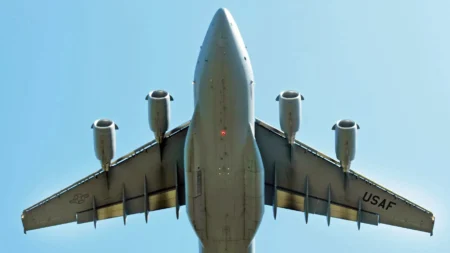
Discovering the Uncommon Asymmetry in the C-17 Globemaster III

The C-17 Globemaster III features a unique asymmetry in its under-fuselage sponsons, showcasing how asymmetrical designs have historically played a role in aviation. From WWII innovations to modern-day applications like Burt Rutan’s experimental aircraft, different eras explored asymmetry to address various challenges, highlighting both the complexity and adaptability of aviation engineering.

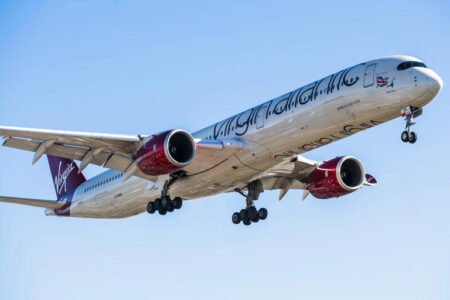
Top Destinations for Airbus A350-1000 Flights This Winter

The Airbus A350-1000 is seeing high deployment this winter with over 23,000 flights globally. Qatar Airways leads in operations, while Virgin Atlantic, Japan Airlines, and Air Caraibes are key players on major long-haul as well as select regional routes. Unique features and configurations enhance its appeal for airlines.

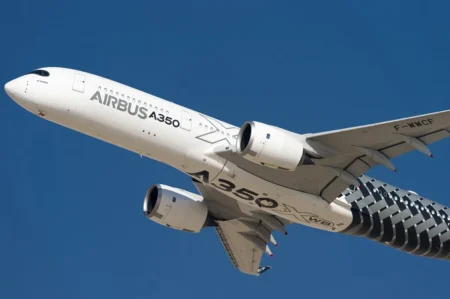
Airbus A350: A Quiet Contender in the Widebody Aircraft Market

Airbus is gaining ground on Boeing in the widebody aircraft market, particularly with the quiet and efficient Airbus A350. Known for its impressive range and noise reduction technology, the A350 is a preferred choice for airlines with ultra-long-haul routes. With over 1,400 orders to date, including the upcoming A350F freighter, Airbus is set to continue its strong presence in this segment.

Unraveling the Reasons Behind the Boeing 737 MAX Backlog

The Boeing 737 MAX, despite its popularity, trails behind the Airbus A320neo in both sales and deliveries due to production disruptions and certification delays. The 737 MAX has a significant backlog, influenced by past groundings and quality control issues. Boeing’s focus on certifying the MAX 7 and MAX 10 whilst addressing production challenges signals potential for future stabilization.

Lockheed L-1011 TriStar: The Technological Marvel That Failed to Lead

The Lockheed L-1011 TriStar was an aviation marvel that featured technical advancements like cutting-edge avionics and superior flight control systems. Despite these innovations, market challenges such as engine delays and poor timing undermined its commercial success. Although it did not lead in sales, its legacy lies in setting high safety standards and acting as a precursor to future aircraft innovations.

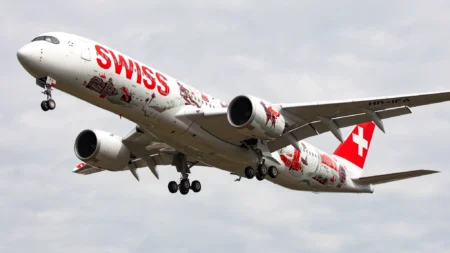
SWISS Unveils Initial Routes for the Airbus A350-900

SWISS will begin using its newly acquired Airbus A350-900 for intra-European flights from Zurich starting in October, aimed at crew training and familiarization. Initially set for six routes, these flights will prepare crews for future long-haul operations, showcasing SWISS’s strategic approach to integrating new aircraft into their fleet.

The Safety Milestone of Airbus' Fly-By-Wire Technology: A Comprehensive Overview

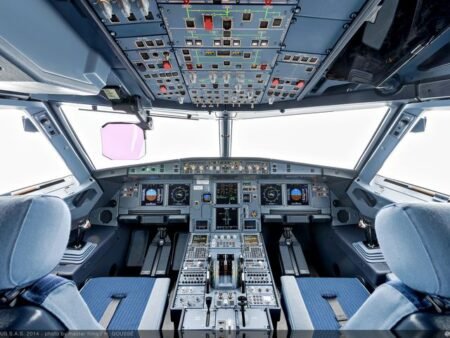
Airbus revolutionized commercial aviation with its introduction of fly-by-wire (FBW) systems in the late 1980s through the Airbus A320. Despite initial skepticism, Airbus’ digital control systems have achieved an exceptional safety record and influenced the industry’s shift away from traditional mechanical systems. FBW technology has been widely adopted, marking significant advancements in aviation safety.