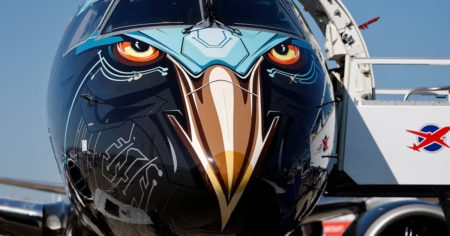
LATAM Airlines Group has confirmed an order for up to 74 Embraer E195-E2 jets to improve connectivity in South America. This deal highlights the airline’s strategic investment in regional expansion and marks a significant shift for LATAM, which does not currently operate Embraer jets. The E195-E2 model is known for its superior fuel efficiency and passenger comfort.
Browsing: Aircraft Updates
The Airbus A360 has sparked curiosity but remains a speculative designation in Airbus’s lineup. The company has no plans to release such an aircraft, focusing on evolving its existing models and sustainable projects like the ZEROe initiative. The gap left by the A360, while intriguing, does not currently align with Airbus’s strategic priorities, which emphasize technological advancement and emission reductions in the existing fleet.
Delta Air Lines canceled its inherited Boeing 787 orders, acquired during the merger with Northwest Airlines, prioritizing Airbus aircraft for fleet uniformity and cost-efficiency. Despite rumors of future Boeing 787-10 orders, Delta’s current strategy leans towards expanding its Airbus fleet, particularly the A350 models, for international expansion.
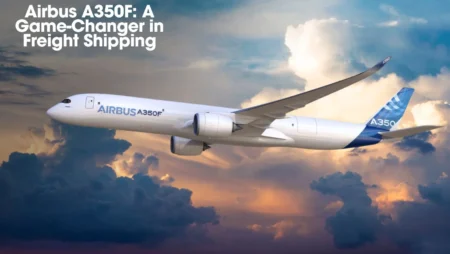
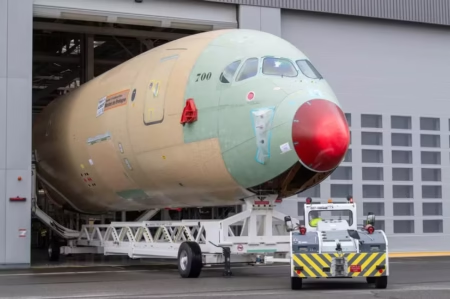
The Airbus A350F poses a significant advancement in air freight with its state-of-the-art cargo door and composite materials. While Airbus progresses with its A350F, poised to enter service by 2027, Boeing has yet to start developing a competing 787F model. With pending regulatory changes in emissions, Airbus could see a major market lead if Boeing fails to produce a suitable contender.
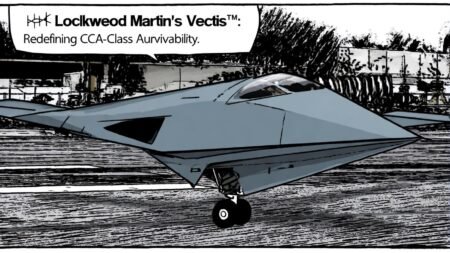
Lockheed Martin has revealed Vectis, an autonomous collaborative combat aircraft designed to operate alongside the F-35 in multi-domain missions. Utilizing stealth technology, Vectis promises high survivability at a competitive cost. Key specifications remain undisclosed, but the project is moving forward with plans for a prototype within two years.
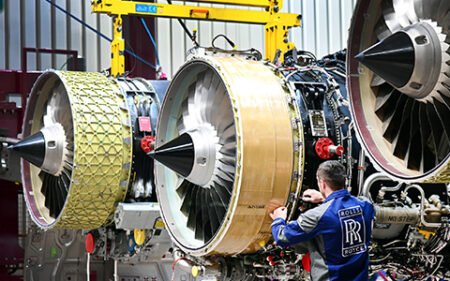
Rolls-Royce is recognized as a leading manufacturer of jet engines, producing nearly 500 engines annually for various aircraft. The company, founded in 1906, initially focused on luxury cars before shifting to aircraft during World War I. Rolls-Royce’s modern engines, such as the Trent and Pearl series, demonstrate their commitment to innovation and leadership in the aviation sector.
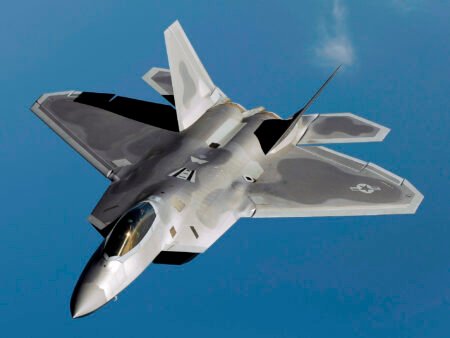
Lockheed Martin is advocating for upgrades to the U.S. Air Force’s oldest F-22 Raptors instead of retiring them. As threats from nations like Russia and China grow, maintaining a robust fleet is critical. The imminent F-47 fighter will eventually replace the F-22, but until then, modernizing the current fleet remains a priority.
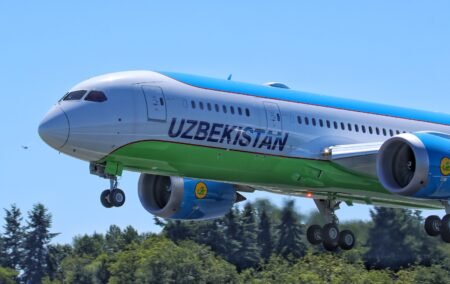
Uzbekistan Airways has announced an unprecedented order for up to 22 Boeing 787-9 Dreamliners. This deal, which includes firm orders and options, aims to modernize the airline’s fleet and enhance its international network capabilities. The order was celebrated at the United Nations General Assembly and highlights Uzbekistan Airways’ strategy to position Tashkent as a key transit hub in Asia.
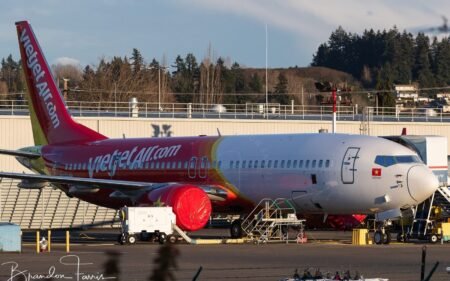
Vietjet is finally receiving its first Boeing 737 MAX, six years after the originally planned delivery date. With a large order placed back in 2016, the airline had anticipated earlier deliveries, but faced delays due to the model’s grounding and other geopolitical factors. Vietjet’s future fleet plans include a significant expansion, with hundreds of aircraft on order from both Boeing and Airbus.
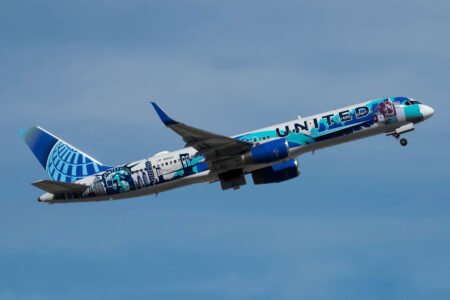
Boeing 757 flights are declining, with 84% of remaining flights in the U.S. Delta and United Airlines maintain the largest fleets. Some 757 flights exceed eight hours, emphasizing the aircraft’s ongoing relevance for lengthy routes.