Browsing: Aircraft Updates

Qantas Launches Innovative A321XLR Fleet with Enhanced Passenger Comfort

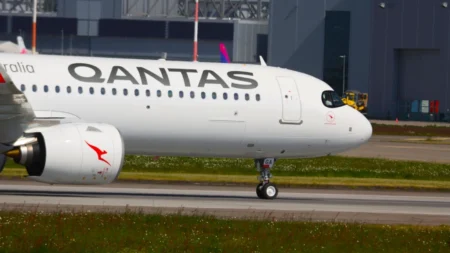
Qantas Airways has launched its Airbus A321XLR fleet, initiating commercial domestic flights with advanced aircraft enhancing passenger comfort and operational efficiency. This move marks Qantas as the Asia-Pacific region’s inaugural operator of the A321XLR, expanding its range to Southeast Asia and supporting sustainable growth ambitions.
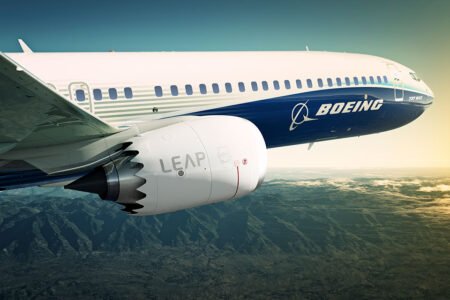
Boeing 737 MAX

Boeing’s challenges with the 737 MAX have led to an intense focus on increasing production to meet market demands. With plans to raise monthly output, push for FAA approvals, and manage its 787 Dreamliner deliveries, Boeing aims to overcome past issues. The company’s strategies reflect its drive to restore confidence and address its production backlog but require careful quality control and supply chain management.

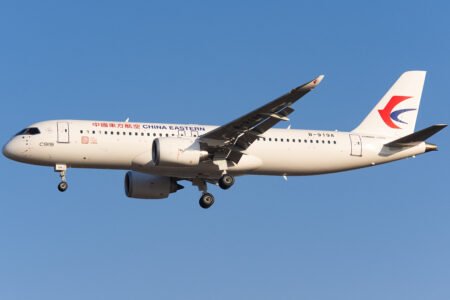
Comac C919

Comac has significantly reduced its delivery targets for the C919 narrowbody jet due to production slowdowns. Originally planning 75 deliveries by 2025, the target is now 25 aircraft, a reduction caused by supply chain constraints and trade-related export bans. Current orders remain domestic, while international interest gathers, pending further developments.

Why the Airbus A350F Freighter Aircraft Could Challenge Boeing's Market Lead

The Airbus A350F is an advanced freighter aircraft aiming to challenge Boeing’s dominance in the widebody cargo market. Featuring superior composite materials and a substantial payload capacity, the A350F is designed for efficiency and compliance with strict environmental standards. With orders secured from major airlines and a planned service entry by 2027, Airbus is poised to make a significant impact.

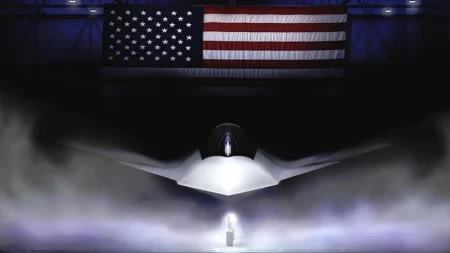
F-47

The U.S. Air Force has revised the timeline for the first flight of the F-47 fighter jet to 2028, earlier than previously planned. This decision, announced by Gen. David Allvin, underscores the urgency to maintain air superiority. The F-47 boasts advanced features, including a combat radius surpassing 1,000 nautical miles and speeds over Mach 2, promising significant improvements in radar evasion.

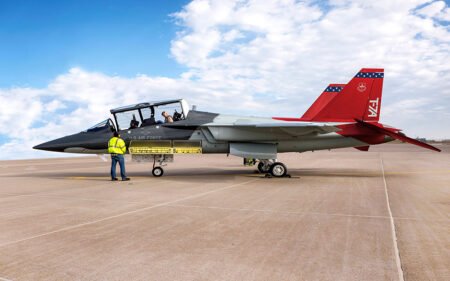
Boeing T-7A

Boeing has unveiled a video detailing the progress of the T-7A Red Hawk’s flight testing, designed for modern pilot training using digital technologies. The aircraft, replacing the older T-38 Talon, features advanced avionics and integrated simulations to enhance pilot readiness and system safety. With several test units already delivered, the project is advancing through its development stages, promising further efficiencies and adaptability in military training operations.

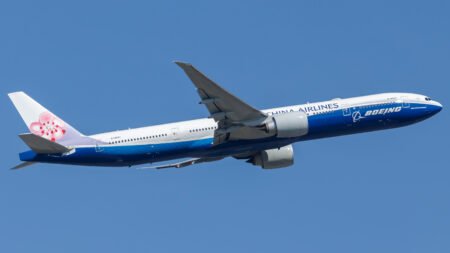
Why Passengers Experience More Fatigue on Boeing 777 Flights

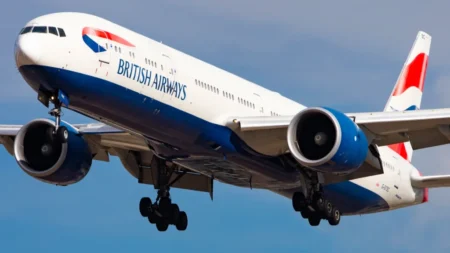
Passengers traveling on the Boeing 777 often report fatigue and discomfort due to factors such as cabin pressurization and humidity levels. Unlike newer aircraft like the Boeing 787 and Airbus A350, the 777’s design contributes to less optimal flying conditions. Future improvements with the Boeing 777X aim to address these issues, enhancing passenger comfort on long-haul flights.

Why the Boeing 787 Dreamliner Sets the Standard for Fuel Efficiency and Range

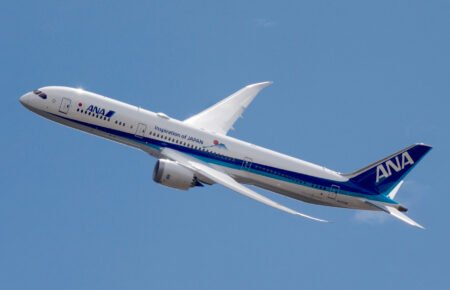
The Boeing 787 Dreamliner is a significant aircraft in commercial aviation, notably for its fuel efficiency and range flexibility, which benefit airlines and passengers. Utilizing advanced materials, aerodynamics, and engine technologies, the Dreamliner achieves substantial operational savings while offering mission flexibility through various aircraft variants. The move to a more-electric architecture and improved passenger comfort features are also key factors that enhance its efficiency.