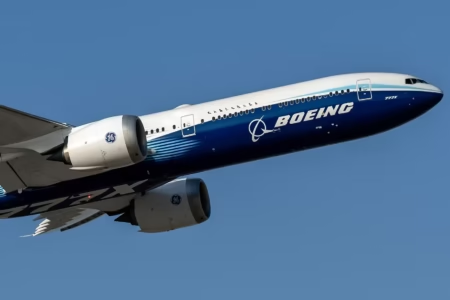

The article compares the Airbus A380 and Boeing 777X, focusing on their design, weight, and operational efficiency. The A380’s significant size and capacity are contrasted with the 777X’s emphasis on fuel efficiency and modern technology, offering insights into each aircraft’s role in contemporary aviation.
Browsing: Aircraft Updates
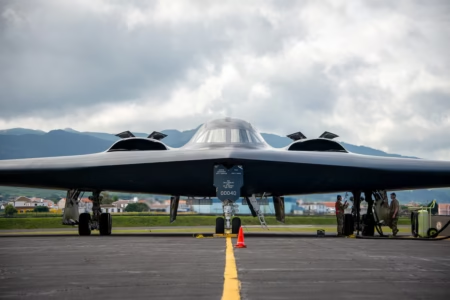
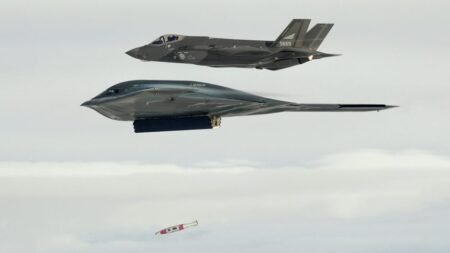
The U.S. Air Force and Royal Norwegian Air Force jointly conducted a maritime strike exercise in the Norwegian Sea, featuring the B-2 Spirit bomber with QUICKSINK munitions. This collaboration demonstrated advanced military capabilities and innovation, enhancing interoperability for future operations in contested environments.
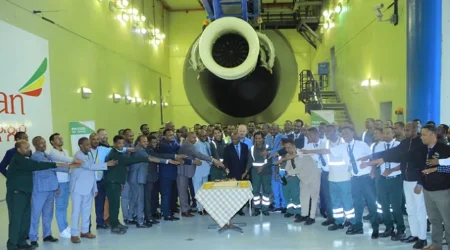
Ethiopian MRO Services has obtained the CFM Leap-1B PRSV1 capability, allowing for the restoration of engine performance to original specifications. This achievement is backed by approvals from Ethiopian and U.S. aviation authorities, distinguishing it among a few global facilities with such capability. The LEAP-1B engine powers the Boeing 737 MAX exclusively.
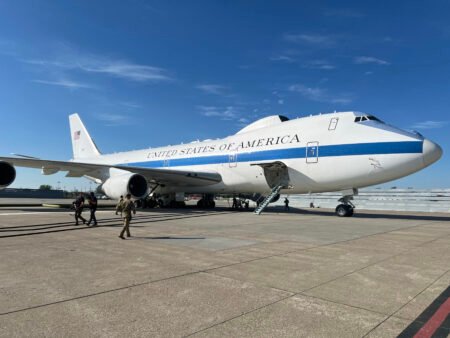
The US Air Force, alongside Sierra Nevada Corporation, has commenced testing of the E-4C Survivable Airborne Operations Center, which is designed to ensure command and control capabilities during emergencies. This next-generation aircraft, based on a modified Boeing 747-8, aims to replace the outdated E-4B Nightwatch fleet with superior technology and capabilities. Testing will continue through 2026, with full operational deployment expected by the mid-2030s.
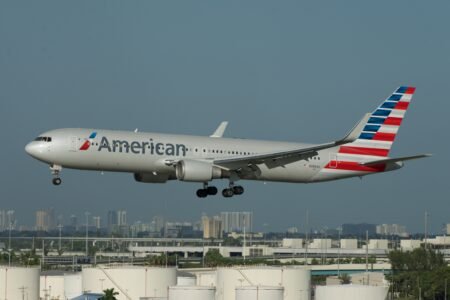
The Boeing 767 aircraft have experienced a 55% increase in domestic flights within the US this September compared to the previous year, while their international usage declines. Delta Air Lines and United Airlines continue to utilize the 767 for key domestic routes, especially the 767-400ER. Despite the fleet’s age, these aircraft remain vital to transcontinental services.
Lockheed Martin has secured a $56.4 million contract from the US Air Force to enhance the B-2 Spirit stealth bomber’s electronic countermeasure receivers. The project, set to conclude in 2031, addresses advancements in air defense technologies. Lockheed Martin’s experience in electronic warfare bolstered its selection for this critical contract, ensuring the B-2’s continued strategic value until the B-21 Raider is operational.
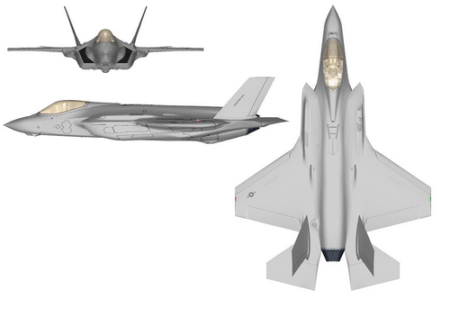
The F-35 Lightning II program, initiated in 2001, has grown to the largest combat aircraft endeavor, with production spread across the US, Italy, and Japan. The United States leads the fleet count, with significant contributions from Japan, the UK, Australia, and Italy, each leveraging the aircraft for strategic defense and technological advancement. The initiative bolsters a global defense network, emphasizes technological synergy, and supports broad industrial participation.
The Boeing 777X series, with its wider fuselage and higher passenger capacity, challenges the Airbus A350 XWB in the competitive widebody market. The 777X offers ten-abreast seating, which appeals to airlines seeking increased economy class capacity, while the A350 remains limited to nine-abreast configurations. Airbus is updating its A350 with features like thinner sidewalls to improve market standing.
Boeing has achieved a major milestone in 2025 by delivering 385 aircraft by August, surpassing its entire 2024 delivery figure. Key deliveries included the Boeing 737 MAX and Boeing 787 Dreamliner. Despite competitive challenges, Boeing received 725 gross orders and maintained a robust backlog, demonstrating strong market growth.
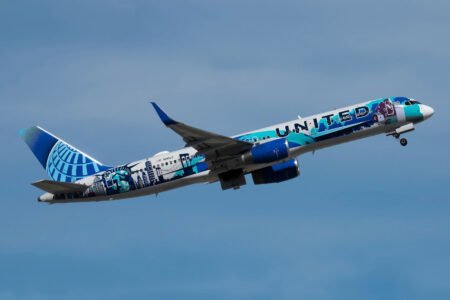
The article examines the operations of Boeing 757 flights surpassing eight hours in duration, focusing on United Airlines and Icelandair routes in September. The decline in Boeing 757 services is attributed to aircraft retirements and replacements by more modern models like the Airbus A321XLR. Special attention is given to United’s new international routes from Newark to Faro and Bilbao.