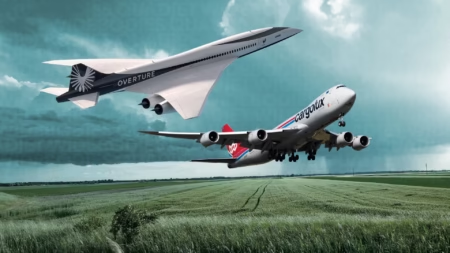
The article explores the current state and potential future of quadjets, aircraft with four jet engines, traditionally known for power and capability to handle larger loads. Quadjets like the Boeing 747 and Airbus A380 have declined in popularity due to high operational costs and shifting airline preferences toward more efficient twin-engine planes. While current odds of resurgence are slim, future propulsion technologies might call for their revival.
Browsing: Aircraft Updates
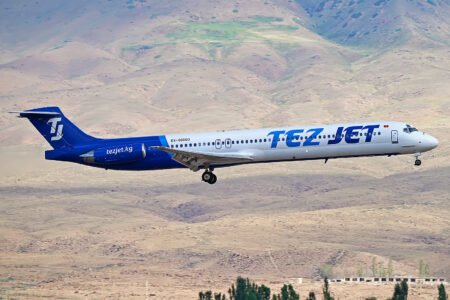
The McDonnell Douglas MD-80, affectionately known as the “Mad Dog,” was renowned for its distinct cabin noise and vintage style. Despite being technologically outdated, it maintained significant operational presence until 2020. American Airlines played a significant role in its adoption, contributing to its legacy as an iconic aircraft in commercial aviation history.
Embraer is facing production delays for its E175 aircraft due to shortages of CF34 engines from GE Aerospace. The CF34 engine is vital for Embraer’s first-generation E-Jets, and the supply chain disruption threatens its production timelines. Despite industry-wide issues with engine supply, Embraer reports improvements with other suppliers while maintaining close collaboration with GE.
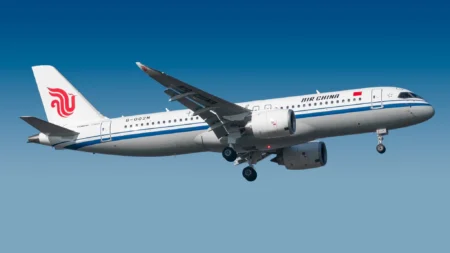
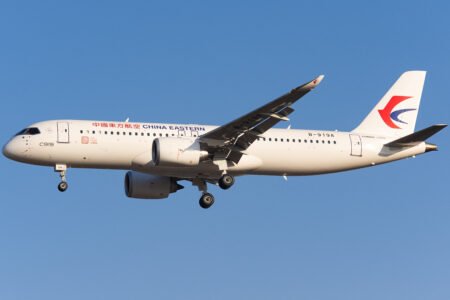
AirAsia is considering purchasing the COMAC C919 to expand its regional connectivity between Malaysia and China. Tony Fernandes confirmed discussions with COMAC at the Belt and Road Summit, potentially making AirAsia the first foreign airline to acquire the aircraft. This move responds to the rising air travel demand in ASEAN and delivery delays faced by traditional manufacturers like Airbus and Boeing.
Embraer anticipates delivering 100 aircraft annually by 2028, fueled by a significant order from Avelo Airlines for 50 E195-E2 jets. Addressing supply chain issues ensures continued expansion, as Embraer remains pivotal in the regional jet market. The E195-E2 enhances efficiency with modern features and is set to launch in Key West, Florida.
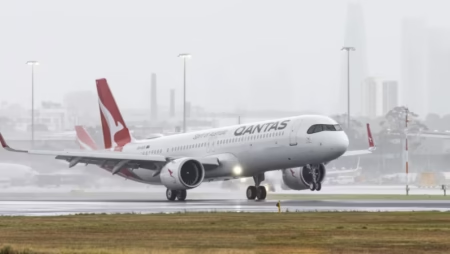
Qantas is launching its first commercial flights with the Airbus A321XLR, marking a significant milestone in its fleet expansion strategy. Initially serving key domestic routes, this new aircraft brings enhanced range, passenger capacity, and environmental benefits compared to the older Boeing 737-800 fleet.
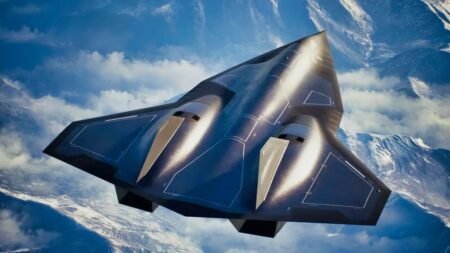
Lockheed Martin’s potential development of the hypersonic SR-72 aircraft is explored, emphasizing its strategic, technological, and developmental challenges. While publicly unconfirmed, signs suggest possible progress towards realization. The article contrasts the SR-72’s anticipated capabilities with those of its predecessor, the SR-71, and examines its portrayal in media to underscore its public and strategic implications.
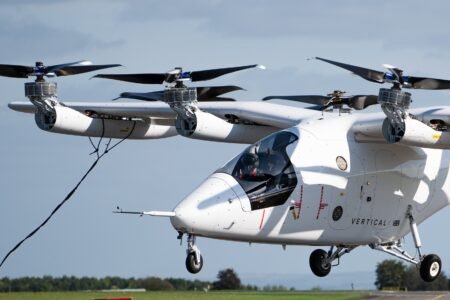
Vertical Aerospace has completed a critical phase in its VX4 electric aircraft testing, marking significant advancements toward 2028 type certification. The wingborne flight tests demonstrated the VX4’s efficacy in generating lift like a conventional plane, proving its potential as a scalable and commercially viable electric aircraft. As Vertical progresses to the final testing stage, it stands poised to transform short-haul and urban air travel.
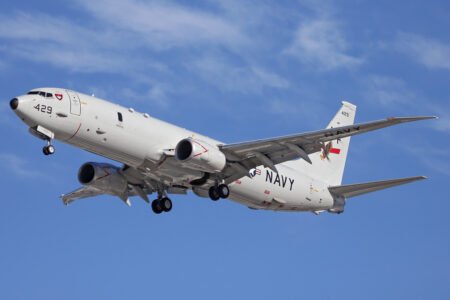
Singapore has ordered four Boeing P-8A Poseidon aircraft to modernize its maritime patrol capabilities, replacing the Fokker 50 fleet. This marks a significant step in Singapore’s defense strategy, strengthening ties with the US and enhancing regional security. The P-8A provides advanced ISR capabilities, supporting long-range patrols and maritime awareness.
The COMAC C919 is poised to potentially secure its first international customer through negotiations with Malaysia’s AirAsia. This development could significantly bolster the aircraft’s global reputation. Concurrently, Ryanair is evaluating the C919 for its fleet, contingent on competitive pricing. Domestically, the COMAC C919 continues to grow, with Chinese airlines scheduling extensive flights and expanding their orders.