
In April 2023, Qatar Airways acquired Boeing 737 MAX aircraft originally destined for Russian clients due to international sanctions. While some of these planes have been delivered to Royal Air Maroc, others are undergoing livery changes. The acquisition stems from a prior disagreement with Airbus, which has since been resolved, leaving Qatar with more planes than it requires.
Browsing: Aircraft Updates
Boeing is ramping up production of the 787 Dreamliner due to robust demand and strategic expansions at its North Charleston facility. The aircraft plays a critical role in fleet renewal and emissions reduction for airlines, and improvements in supply chain and regulatory support are facilitating this increase. Despite potential risks, Boeing’s focus on enhanced delivery timelines and consistent output positions the 787 as a core element of its commercial strategy.
The Boeing 747 continues to influence Airbus’s strategic planning despite its production ending, thanks to its legacy and powerful strategic leverage in aircraft development. The 747 shaped long-haul aviation and maintains its role in the cargo sector. As the focus shifts to efficient twin-engine jets, the 747’s strategic impact remains significant.
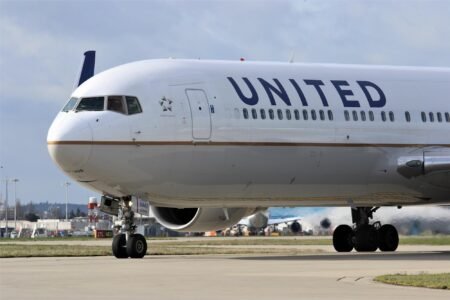
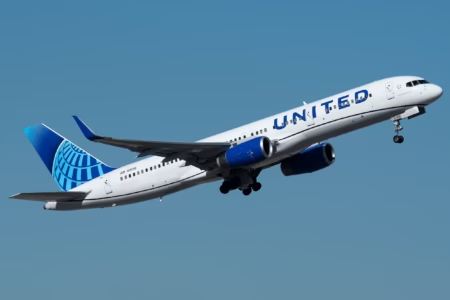
United Airlines plans to phase out its Boeing 767 fleet by 2030, as revealed by CEO Scott Kirby. The airline is reassessing its Airbus A350 order, previously deferred, to bolster its international routes. With an increasing focus on the Boeing 787, United evaluates the A350’s potential to complement its future fleet structure.
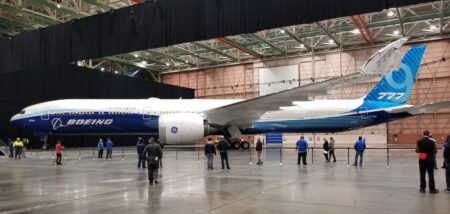
Boeing faces substantial challenges in obtaining FAA certification for its 777X aircraft, as CEO Kelly Ortberg describes ongoing issues that have delayed their original schedule by six years. With five 777X airplanes currently in the flight test phase, Boeing aims for delivery in 2026 contingent on securing required FAA authorizations.
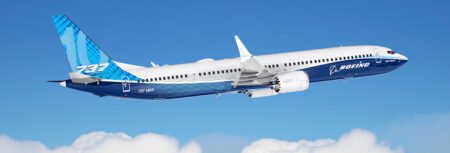
Boeing is adjusting its 737 MAX production strategy due to increased demand and a high order backlog, while competing with Airbus’s consistent performance. The company is navigating regulatory constraints and operational challenges in its attempt to boost output in 2025. Boeing’s success will depend on maintaining consistent quality and overcoming supply chain issues.
The Boeing 757, noted for its unique power and performance, offered dual engine options: the Rolls-Royce RB211 and the Pratt & Whitney PW2000. This decision provided airlines with configuration choices and cost benefits born from engine competition. Despite the benefits, dual options posed challenges for manufacturers, notably increased complexity and costs. Over time, market demands favored single-source engines, though the dual-option approach was standard during the 757’s era.
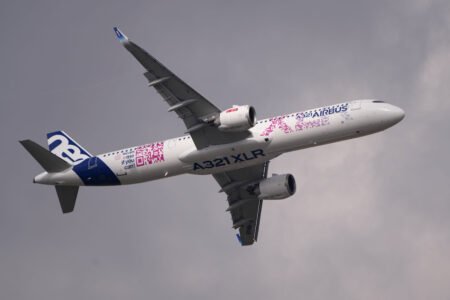
The Airbus A321XLR is revolutionizing global travel by enabling long-haul routes that stretch beyond eight hours, connecting lower-demand cities efficiently. Airlines are leveraging this aircraft to open new markets previously dependent on larger jets. Key routes include direct connections between Europe and North America, and new services from Europe to South America and the Caribbean.
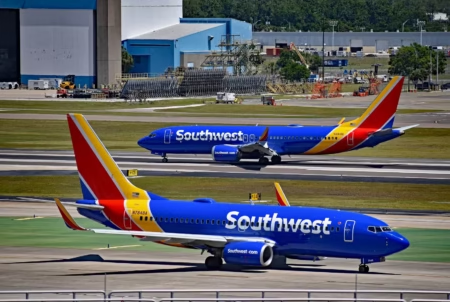
Southwest Airlines is expediting the retirement of its Boeing 737NG aircraft to transition to the more efficient 737 MAX fleet by 2031. This move is driven by desires for improved operational efficiency, cost savings, and meeting shareholder expectations. The shift involves complex considerations, including market dynamics, financial strategies, and public perceptions.
Boeing faces major delays in the 777X certification, with first deliveries now postponed to 2026, impacting investor confidence and cash flow forecasts. The company’s ambitious production targets, particularly for the 737 MAX, depend heavily on FAA approval amid challenges like inflation and past disruptions in production.