
Boeing Expands its Engineering Footprint in Florida
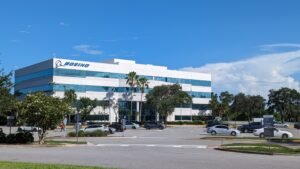
Boeing has announced plans to establish a new engineering center in Florida, a decision set to create hundreds of jobs and strengthen its presence in the state. This center will focus on advanced engineering projects, supporting Boeing’s growing defense, space, and commercial portfolios. The facility is positioned to play a pivotal role in the company’s long-term innovation and workforce development goals.
Florida’s Growing Role in Aerospace
Florida’s significance in the aerospace industry is underscored by this new initiative. Already a critical player in space exploration and defense manufacturing, the state is evolving into a hub for high-skilled aerospace professionals. Boeing’s expansion will leverage Florida’s existing capabilities, providing new opportunities for engineers and technicians while benefiting the region’s economy.
Boeing’s Commitment to Florida
Known for its association with NASA programs, Florida’s aerospace sector sees another prominent addition with Boeing’s engineering center, which joins the ranks of Lockheed Martin, SpaceX, and Blue Origin already operating in the state. Boeing’s choice signals its confidence in Florida’s infrastructure and talent pool, bolstering its capacity to support high-tech industries.
The facility’s initial focus will be on engineering projects related to Boeing’s defense and space divisions. However, it could expand its scope over time, adapting to Boeing’s evolving requirements across various military and satellite systems. This flexible approach is intrinsic to Boeing’s strategy of building multi-purpose engineering hubs rather than being limited to single product lines.
Impact on Local Economy and Job Creation
State leaders have praised the initiative, highlighting job creation and potential economic growth. Hundreds of highly skilled engineering roles are predicted, alongside indirect economic benefits within local communities. For Florida, which has heavily invested in positioning itself as an aerospace hub, Boeing’s arrival reinforces its strategic success.
Focus on Workforce Development
The emphasis on talent development is a key feature of Boeing’s new center. Attracting and retaining top-tier engineers is essential to fulfill its long-term business objectives amidst an increasingly competitive aerospace talent market. Setting up in Florida provides access to a workforce experienced in space and defense, and a strong graduate pipeline from universities like Embry-Riddle Aeronautical University.
Boeing also plans to collaborate with local institutions to enhance training and workforce readiness. This includes internships, cooperative education, and potential research collaborations to prepare future engineers. The center presents a prime opportunity for students and early-career professionals to gain experience with significant projects of national and global importance.
Boeing’s Broader Strategic Aims
Nationwide, Boeing is broadening its engineering operations to strengthen its technical base. Nevertheless, the Florida site is notable due to its unique aerospace ecosystem and Boeing’s goal to make it central to its engineering efforts. This reflects the importance of location and environment in workforce development alongside individual training programs.
Strategic Investments and Long-term Competitiveness
The establishment of the Florida engineering center aligns with Boeing’s wider strategic realignments and investments in critical growth areas. Engineering plays a crucial role as Boeing recovers from recent challenges in its commercial aircraft division. By establishing this hub, Boeing invests in the necessary infrastructure and personnel to sustain long-term innovation.
| Division | Headquarters |
|---|---|
| The Boeing Company (Parent Company) | Arlington, Virginia |
| Boeing Commercial Airplanes | Renton, Washington |
| Boeing Defense, Space, & Security | Arlington, Virginia |
| Boeing Global Services | Piano, Texas |
The center also contributes to Boeing’s regional diversification, spreading its operations beyond traditional bases like Washington and Missouri. This strategy mitigates risks associated with localized labor shortages or disruptions, enhancing Boeing’s integration into diverse regional economies.
Looking ahead, although specific projects have not been disclosed, the Florida engineering center is expected to support Boeing’s next-generation programs. Its flexibility suggests it could significantly contribute to the company’s forthcoming endeavors. Ultimately, the facility represents both a catalyst for job creation and a long-term investment in sustaining Boeing’s competitive edge.