
Boeing Explores a New Era with 737 MAX Successor
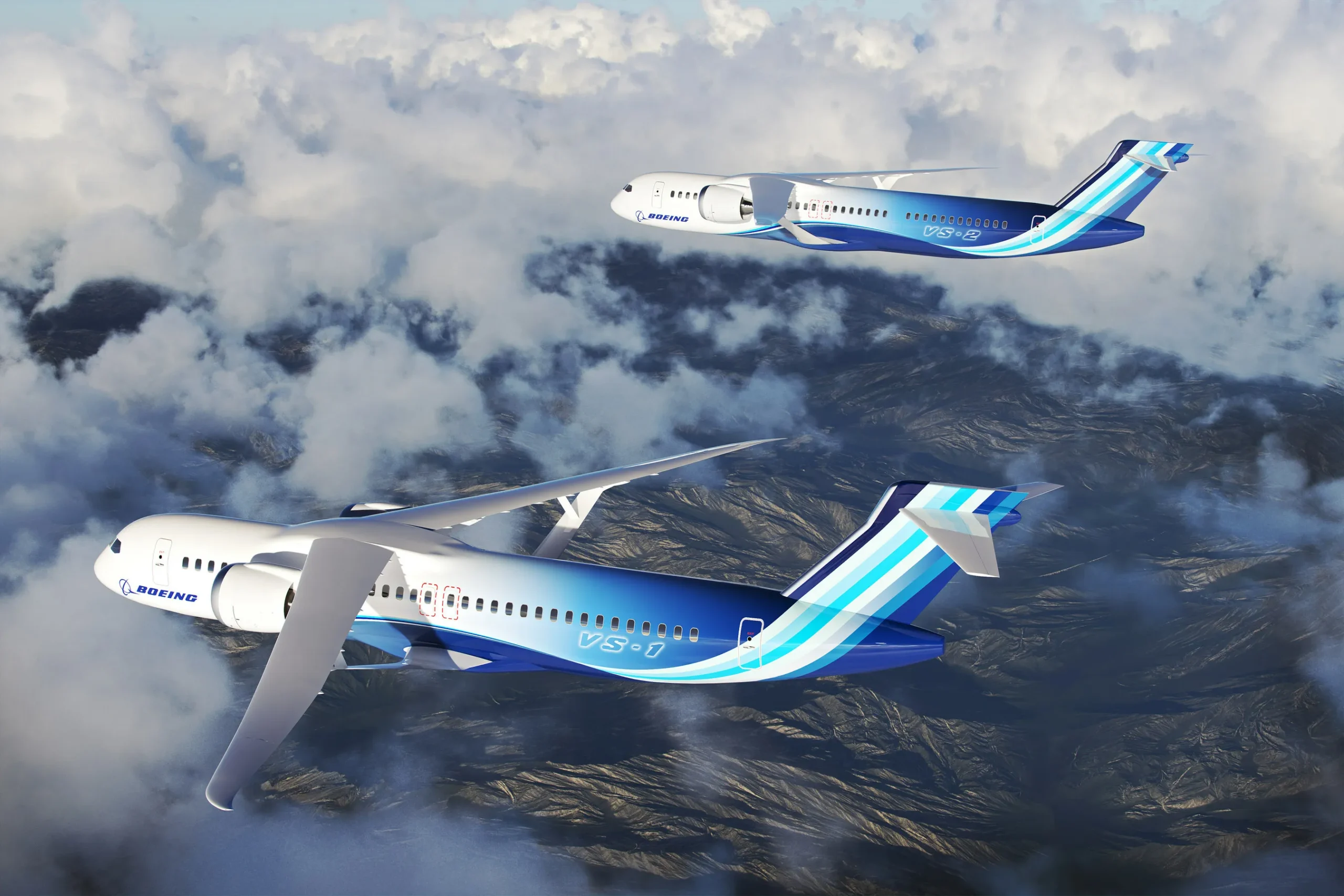
Boeing is reportedly in the early stages of developing a new single-aisle aircraft to replace its popular, yet troubled, 737 MAX series. This ambitious project is in alignment with efforts to modernize and innovate within the sector, offering potential advancements in both design and technology.
While specifics are still under wraps, industry insiders suggest that Boeing’s CEO, Kelly Ortberg, is at the forefront of discussions with leading engine manufacturers such as Rolls-Royce. This collaboration could potentially yield engines that are both more efficient and environmentally friendly.
Boeing’s Quiet Revolution
As details remain scarce, both Boeing and its potential partners, including Rolls-Royce, have been reticent to confirm or deny these developments. Nonetheless, Boeing’s adherence to maintaining high safety standards is evident, particularly in light of past challenges with the 737 MAX.
The 737 MAX series faced significant scrutiny following two tragic accidents related to safety system malfunctions, leading to a grounding in 2019. Since then, Boeing has worked closely with regulatory agencies worldwide to ensure compliance and safety, restoring trust with its global customer base.
Ongoing Commitments Amidst New Developments
Boeing continues to grapple with an extensive backlog of approximately 6,000 aircraft orders. This development comes as part of a balanced approach to meeting current demands while innovating for future growth.
Recently, Norwegian Air Shuttle and Turkish Airlines reaffirmed their confidence in Boeing with substantial orders for the 737 MAX, illustrating the aircraft’s continued appeal and reliability.
- Norwegian Air Shuttle ordered an additional 30 Boeing 737 MAX 8 aircraft.
- Turkish Airlines confirmed an extensive order, including 150 737 MAX and 75 Boeing 787 aircraft.
A Step Towards Greater Autonomy
In a notable development, Boeing has received approval from the FAA to issue its own airworthiness certificates for specific 737 MAX and 787 models. This initiative, alternating with the FAA, signifies a renewed confidence in the manufacturer’s quality controls.
While production is capped at 38 MAX aircraft per month, any future increases will be subject to rigorous FAA evaluations, ensuring continued adherence to safety and quality standards.