
Boeing Ends Production of the 777-300ER
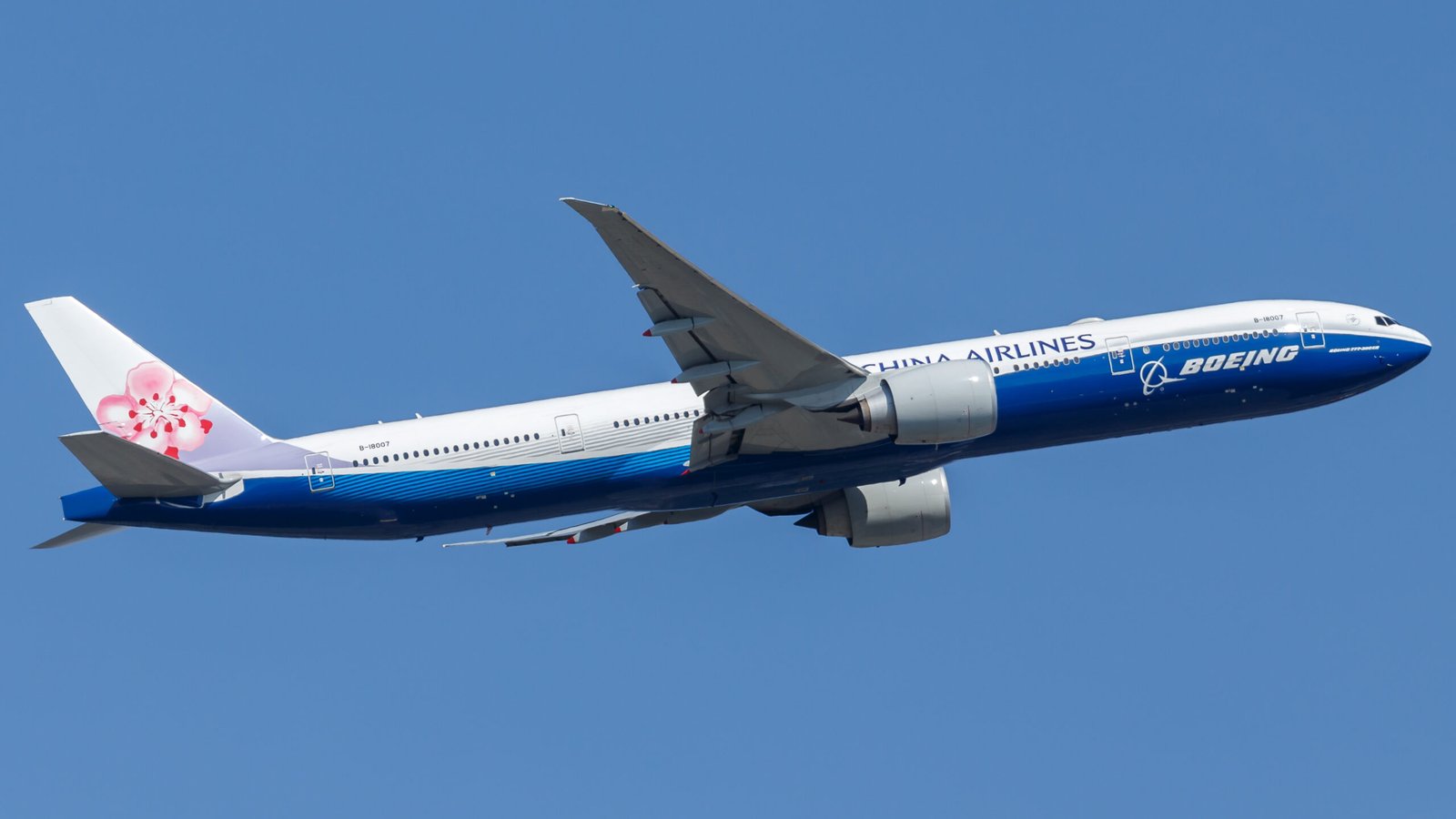
In an announcement marking a significant moment in aviation, Boeing’s 2024 delivery records suggest the potential conclusion of the 777-300ER production, with only one delivery recorded for the year. This aircraft, recognized as a crucial development in commercial aviation, has been termed the “best-selling widebody of all time.” This shift, reported by The Air Current, indicates Boeing’s strategic focus on its 777X variant going forward.
Production Strategy Shift
Despite efforts to resume production across various aircraft lines after a machinists’ strike, Boeing Commercial Airplanes CEO Stephanie Pope confirmed the company’s pivot towards producing the 777X exclusively. Introduced in 2004, the 777-300ER revolutionized long-haul travel with its 7,370 nautical mile range and efficient design. It set unprecedented standards with its General Electric GE90 engines, known for their reliability and fuel efficiency. The aircraft’s 392-passenger capacity catered well to airlines balancing cost and comfort needs on long routes.
Updates on 737 MAX 7 and 10
Boeing has sought temporary exemptions from the Federal Aviation Administration (FAA) for its stall-management yaw damper system on the 737 Max 7 and Max 10 models. Filed on January 17, 2025, these requests follow regulatory standard changes impacting the certification timelines. Boeing aims to implement an angle-of-attack system update across all Max variants, contingent on receiving these exemptions.
The Importance of Certification Exemptions
The requested changes relate specifically to the certification processes for both aircraft variants. They would fast-track the delivery of these models, contributing to safety enhancements across the fleet. It is emphasized that currently operational 737 MAX aircraft are unaffected by these requests due to the proven efficacy of the yaw damper system, which has operated reliably for over 250 million flight hours.
Certification Challenges and Solutions
The stall-management yaw damper (SMYD) system now faces upgraded safety standards, shifting from Level B to Level A. This reclassification denotes a recognition of increased failure risks, significant under the Radio Technical Commission for Aeronautics guidelines. Boeing acknowledges not meeting these updated safety standards and has sought an exemption until October 2028. This timeframe would allow for full compliance and retrofitting of delivered aircraft.
The SMYD system, also due for enhanced protection against potential failures, coincides with new Angle of Attack improvements introduced to solve prior safety issues. This development is crucial for meeting certification requirements and implementing safety improvements on the Max fleet.
In pursuit of regulatory relief, Boeing reveals that resolving these certification hurdles is imperative for the deployment of safety upgrades needed to enhance the existing fleet’s safety capabilities. The company remains committed to demonstrating its compliance post-MAX 7 and MAX 10 certification.