Hong Kong’s aviation sector rebounds with Cathay Pacific reporting record profits and the unveiling of a third runway at its international airport. Despite recent challenges, these strategic developments reaffirm Hong Kong’s stature as a global aviation leader.
Author: Ava Turner
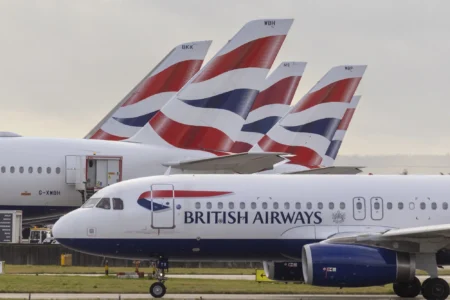
British Airways’ temporary coffee ban raised eyebrows earlier this September. The policy, which restricted uniformed employees to drinking only water in public, was quickly retracted following staff feedback. This incident underscores the significance of effective communication and adaptability in airline operations.
Japan Airlines is launching a comprehensive fleet transformation strategy by 2030, primarily focusing on increasing sustainability and expanding international routes. With a shift towards more fuel-efficient aircraft and strategic fleet replacements, JAL aims to increase operational efficiency and reduce its carbon footprint, aligning with its long-term environmental goals.
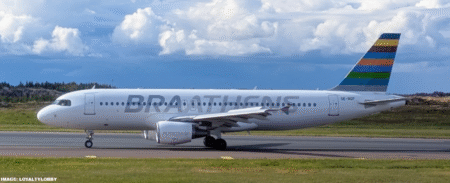
Braathens International Airways, a key player in the Swedish charter airline industry, has unexpectedly filed for bankruptcy. This abrupt move has resulted in the cancellation of all flight operations, leaving thousands of passengers and key Scandinavian tour operators scrambling to find alternative travel solutions.
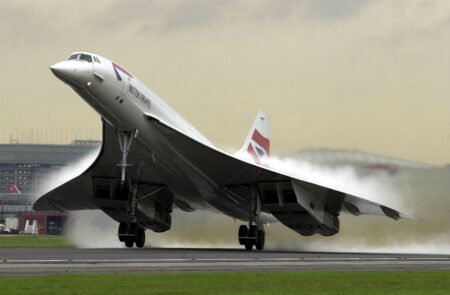
The Aérospatiale/BAC Concorde, known for its speed and elegance, created unforgettable memories at major airports worldwide, including London Heathrow and New York JFK. These hubs were more than just travel points; they were stages where Concorde’s iconic legacy was celebrated by avid enthusiasts and travelers alike.
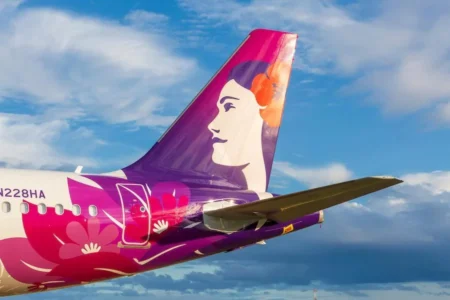
Hawaiian Airlines’ primary routes involve frequent inter-island services essential for locals and tourists, with Honolulu to Kahului being the busiest. While inter-island routes have high frequencies, mainland connections like Honolulu to Seattle cater to larger passenger volumes and greater ASMs. A consistent service model across routes supports direct access to Hawaiian attractions, demonstrating the airline’s strategic fleet utilization.
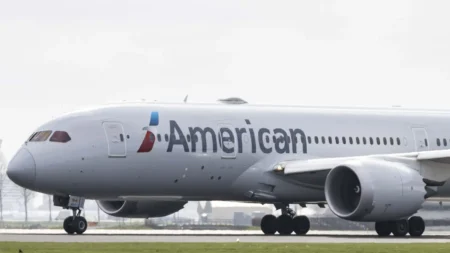
American Airlines is striving to compete as a premium carrier amid high operational costs and a market heavily dominated by Delta and United. To succeed, it must capture high-yield passengers through strategic investments in service enhancements and cultural shifts within the company, while overcoming limitations from airport slot constraints and government policies.
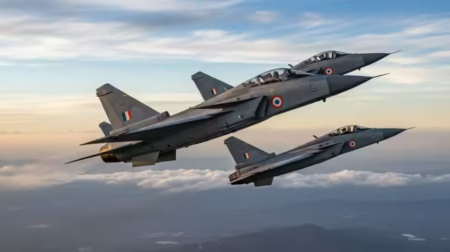
India has finalized a record Rs 66,500 crore contract to acquire 97 Tejas fighter jets, marking the nation’s largest-ever defense aviation deal. This enhances India’s defense self-reliance and boosts the Indian Air Force’s operational capability with advanced technology. HAL will oversee manufacturing and delivery, supporting India’s indigenous aircraft development and regional security preparedness.
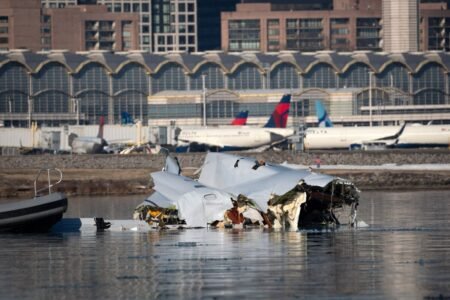
The January 29 midair collision near Washington DC has led victims’ families to file a lawsuit against American Airlines, its subsidiary PSA Airlines, the US Army, and the FAA, accusing them of negligence and systemic failures. The suit addresses unsafe arrival scheduling, excessive helicopter altitude, and insufficient air traffic control measures. This case could prompt widespread industry changes, affecting airline accountability, airspace management, and regulatory standards.
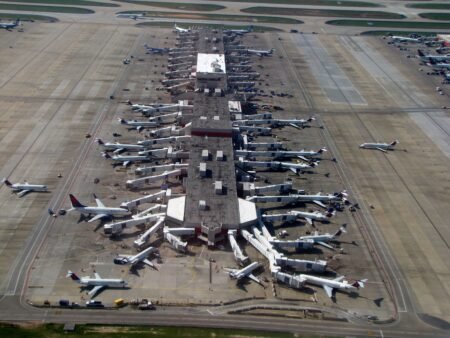
Hartsfield-Jackson Atlanta International Airport remains the busiest US airport in 2025 due to its strategic role for Delta Air Lines. As a key hub, ATL handles extensive passenger volumes and global destinations. The airport’s infrastructure and Delta’s dominance ensure ATL’s continued prominence in aviation.