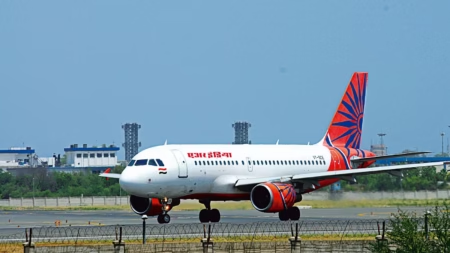
Passengers on an Air India flight from Delhi to Singapore experienced a nearly six-hour delay due to a technical issue, involving a lack of cabin cooling. Similar disruptions occurred in Copenhagen due to technical problems with another Boeing 787, affecting over 250 passengers. Air India addressed travel interruptions by providing accommodations and meals while planning for flight rescheduling.
Author: Sophia Bennett
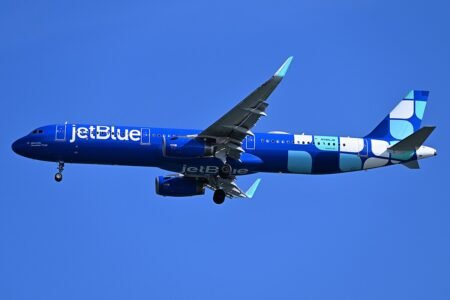
JetBlue is expanding its operations at Fort Lauderdale-Hollywood International Airport with plans for up to 113 daily flights this winter. The airline will introduce nine new routes and enhance services on nine existing ones. This expansion reflects JetBlue’s commitment to the East Coast leisure market, with a focus on providing a robust network with competitive fares.
Delta Air Lines’ current strategy involves operating an all-Airbus widebody fleet, primarily due to fuel efficiency and sustainability goals, but rumors suggest possible plans to incorporate the Boeing 787-10. This potential addition would provide fleet diversity and optimal solutions for specific routes, allowing for strategic flexibility and operational resilience against delivery disruptions.
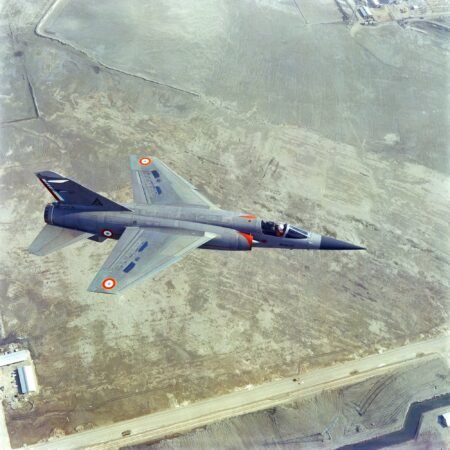
The U.S. Navy has partnered with Airborne Tactical Advantage Company (ATAC) through a $554 million contract to provide advanced training support to its aviators. This program will facilitate realistic combat training by employing high-performance jets to simulate enemy threats, steeling naval forces for future operations. The contract highlights the strategic shift towards using private contractors to bolster military preparedness.
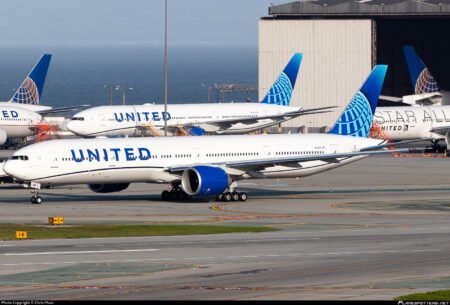
The article provides an in-depth analysis of the seating arrangements and comfort levels across various cabin classes on United Airlines’ Boeing 777-300ER. It also details the airline’s fleet operations, popular routes, and how the 777-300ER fits into global aviation, with insights into its future role transitioning to the Boeing 777X.
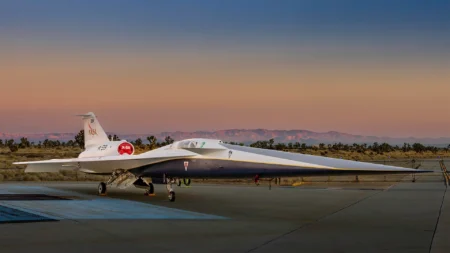
The NASA X-59 QueSST aims to overcome the challenge of sonic booms in supersonic travel, utilizing a unique design developed by Lockheed Martin’s Skunk Works. The project has led to significant testing and development efforts, hoping to create quieter flight experiences and new pathways for future supersonic passenger aircraft. Collaboration with organizations like Boom Supersonic highlights the broader industry interest in advancing sustainable, high-speed air travel.
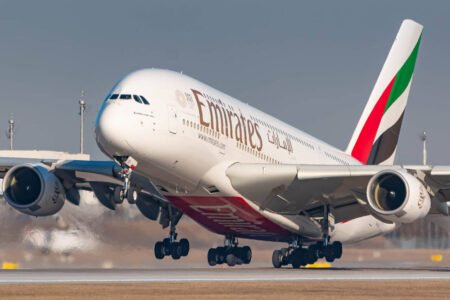
Emirates is expanding its Premium Economy cabin to flights between Dubai and New York’s JFK. The A380 aircraft will feature a four-class layout, offering passengers enhanced comfort and amenities compared to standard Economy. The airline plans to expand this cabin class to 68 destinations by 2026.
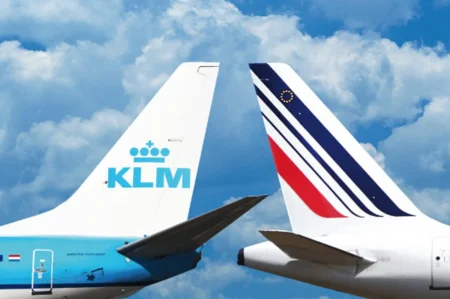
Air France-KLM oversees four airlines, each with varying levels of success. While Air France and KLM show positive progress through modernization and reliability, Transavia benefits from the low-cost travel demand. However, Air France HOP struggles with competitive challenges, highlighting the complexities faced by the group under Ben Smith’s leadership.
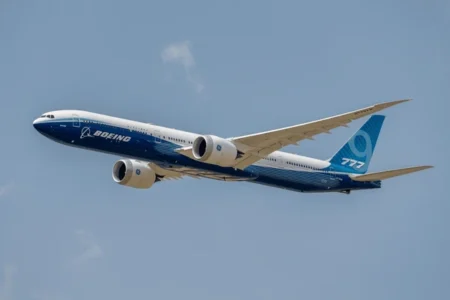
The Boeing 777X is set to revolutionize long-haul aviation with its unmatched efficiency, extensive range, and passenger-friendly design. This aircraft model, with its innovative composite wings and powerful GE9X engines, enables airlines to improve cost efficiency and service. As major airlines upgrade their fleets with the 777X, its significant design and operational advantages position it as a leading choice in modern aviation.
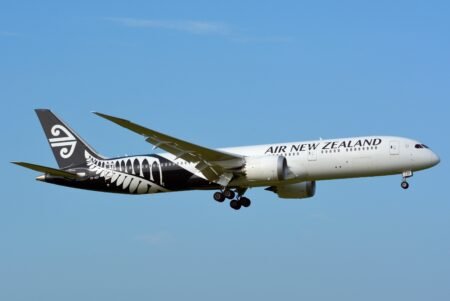
Air New Zealand canceled 28 flights at Wellington Airport due to severe thunderstorms and strong winds, affecting many passengers. While most travelers were rebooked to fly the following day, weather-related disruptions continued across other parts of New Zealand. The airline emphasized passenger safety as its priority during these conditions.