
American Airlines Passenger Line-Cutting: A Debate in Efficiency and Etiquette
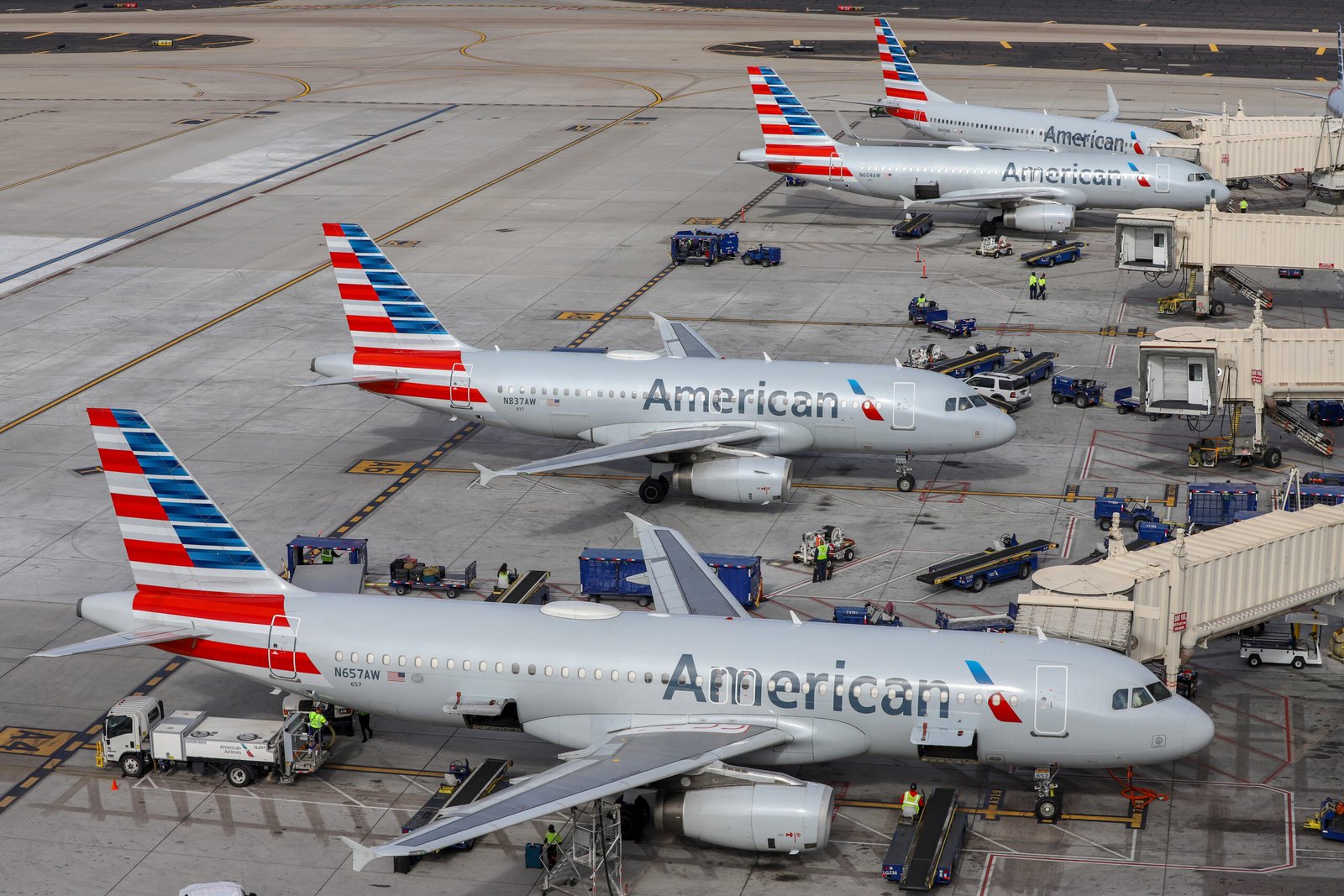
American Airlines passengers navigating Dallas/Fort Worth International Airport (DFW) often face tight connections that challenge traditional etiquette. One recent incident illustrated this when a passenger bypassed the deplaning line to catch his next flight, sparking a discussion on the balance between necessity and courtesy.
Case of the Line-Cutting Passenger
- The passenger, seated in row 9 of the coach, dashed to the front immediately upon landing at DFW.
- His layover, originally 70 minutes, was drastically reduced due to delays.
- The speedy maneuver allowed him to board his next flight as the last passenger, avoiding a potential missed connection.
This scenario, covered by View from the Wing, raises questions about passenger behavior. Is it acceptable to cut in line when connections are at risk?
The Role of Tight Connection Announcements
Sometimes flight attendants announce priority exits for tight connections, but that was not the case here. The passenger’s swift action was possible due to available space that did not obstruct others, highlighting the lack of uniform guidance in such situations.
Scheduled Buffers and Deplaning Efficiency
Airlines like AA schedules minimal layover buffers at hubs to optimize operations. Delays increase risks, especially in economy class. The quicker a passenger can deplane, the greater the chance to catch connections, impacting the whole system’s efficiency.
Advantages of Immediate Standing
- Retrieving overhead items promptly accelerates deplaning and helps passengers with tight connections.
- Standing maximizes cabin space for comfort while waiting.
- Facilitates faster boarding for cleaning crews, aiding in timely flight turnovers.
Critics may argue that standing prematurely doesn’t change outcomes as the aircraft doors remain closed initially. However, data suggest proactive movement reduces deplaning times by up to two minutes on average.
Aisle Etiquette: To Skip or Not to Skip?
The general etiquette calls for deplaning row by row. Yet, natural openings can appear when passengers delay, providing opportunities for polite advancement that maintains steady traffic flow. Such actions help to circumvent bottlenecks, benefiting all onboard.
Self-Preservation and Airline Goals
For passengers with tight connections, moving forward decisively can mean the difference between catching the next flight or facing overbooked standby risks. Airlines promote efficient deplaning that prioritizes operations, though aggressive pushing remains frowned upon.
Conclusion
Efficient deplaning is crucial for maintaining the on-time performance of airline networks, particularly in busy hubs like DFW. Reducing aircraft occupancy time aids crews, conserves fuel, and minimizes operational costs, ultimately leading to lower fares and improved travel experiences for passengers.