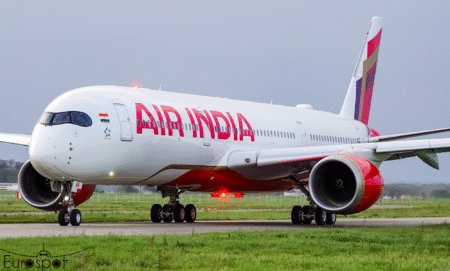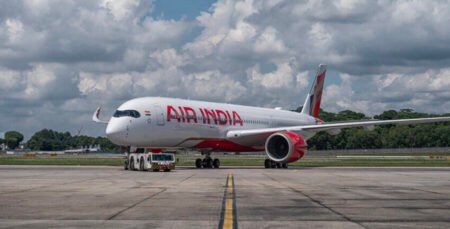

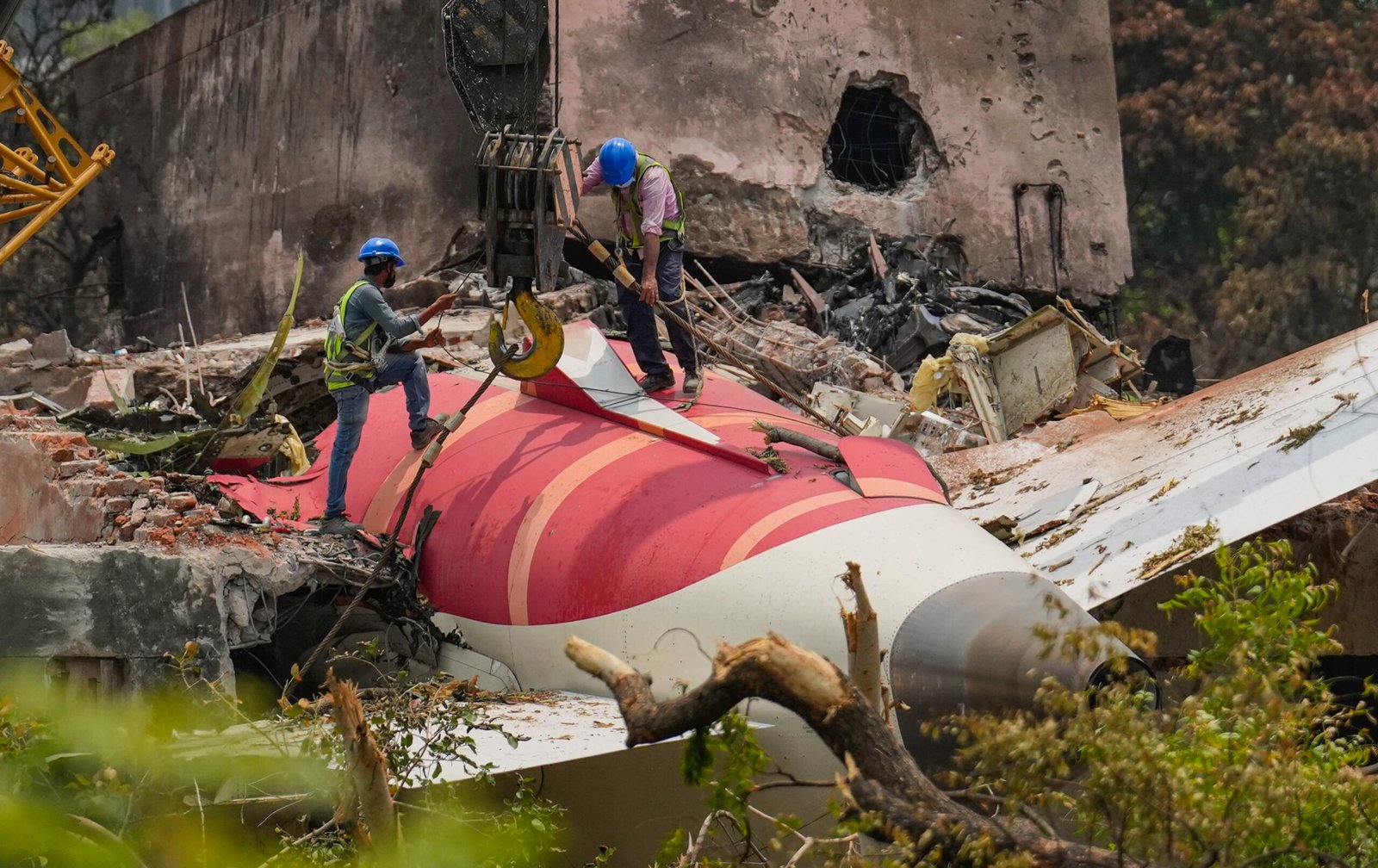
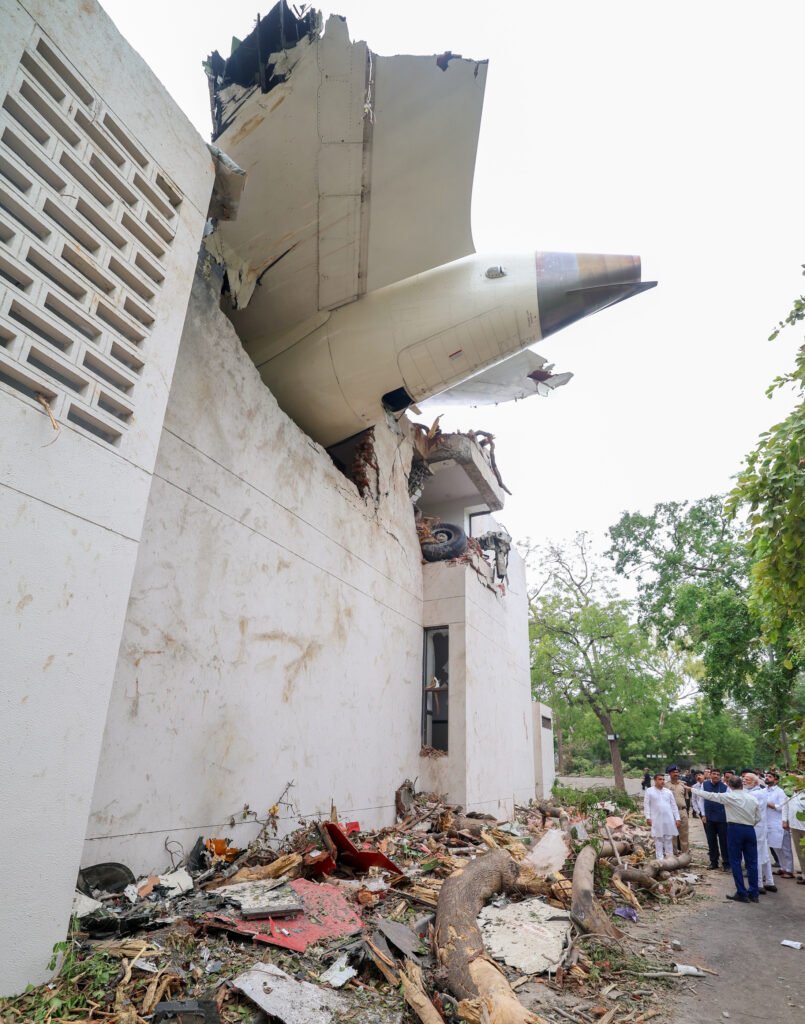
On June 12, 2025, Air India 171 aka Air India Flight AI171 a Boeing 787-8 Dreamliner operating from Ahmedabad (Sardar Vallabhbhai Patel International Airport) to London Gatwick crashed seconds after takeoff, killing passengers and people on the ground and leaving the industry searching for answers. The Aircraft Accident Investigation Bureau of India (AAIB) released a preliminary report in July 2025 that has focused attention on cockpit fuel-control switches and the sequence of events in the cockpit in the critical seconds after rotation.
Quick facts (Air India 171 flight status at a glance)
- Flight: Air India 171 (AI171) — Ahmedabad (AMD) → London Gatwick (LGW).
- Date of accident: 12 June 2025.
- Aircraft: Boeing 787-8 Dreamliner, registration VT-ANB.
- Occupants & casualties: The preliminary data reported hundreds of victims including passengers, crew, and ground fatalities; a single survivor was widely reported in early coverage.
- Investigation status: AAIB preliminary report published July 2025; black box (CVR & FDR) recovered and analyzed.
The sequence of events – what the preliminary report says
According to the AAIB’s preliminary report, AI171 lifted off and climbed briefly, then suffered a rapid loss of thrust when both engines lost fuel flow after their fuel-control switches moved from RUN to CUTOFF seconds after rotation. The flight data and cockpit voice recordings show the switches reverted to RUN shortly after but, by then, at least one engine was not yet regaining thrust and the airplane lost height and impacted buildings off-airport. The AAIB emphasized that the preliminary report is formative it states factual sequence and data but does not assign final causal blame.
That account is consistent with independent summaries reviewed by pilot organizations and international media: the cockpit voice recorder captured the crew’s confusion and a rapid mayday call describing a loss of thrust. The International Federation of Air Line Pilots’ Associations (IFALPA) reviewed the preliminary report and cautioned against premature conclusions while encouraging a measured interpretation of the recorded evidence.
Air India 171 Black Box: recovered, decoded, and the evidence they hold
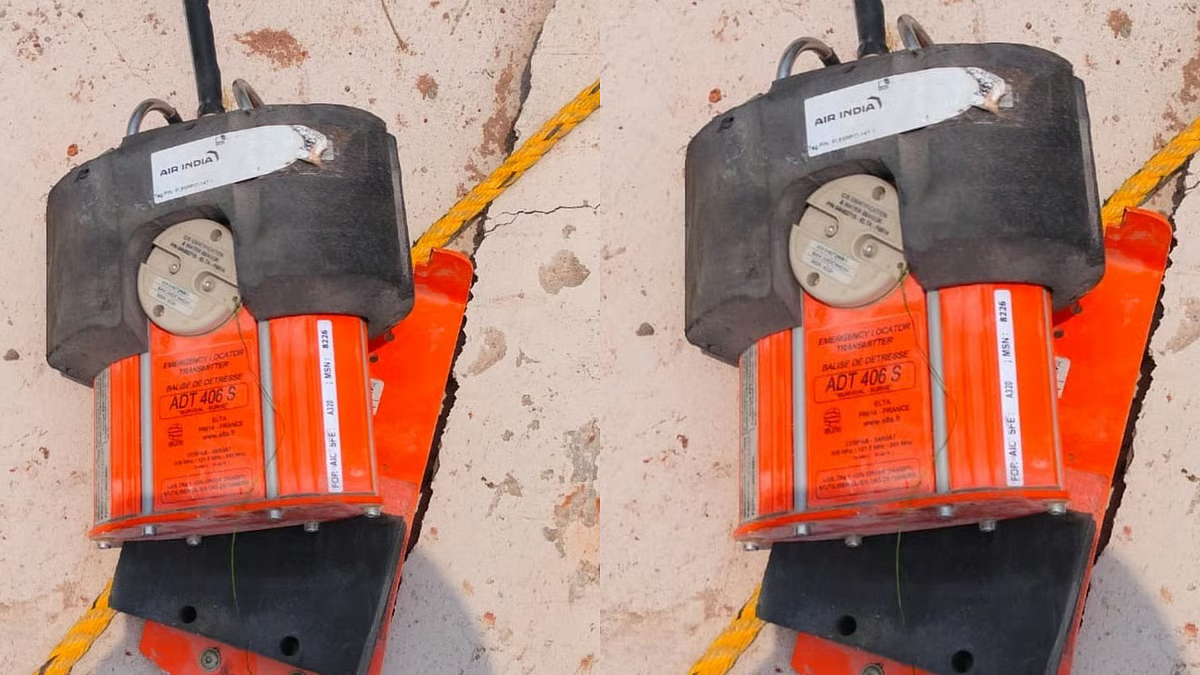
Searchers recovered both the cockpit voice recorder (CVR) and the flight data recorder (FDR) from the wreckage. The AAIB transported the recorders under security to Delhi; with international support the data was successfully downloaded and analyzed. That recorded data is central to the preliminary findings about the fuel-control switches and cockpit crew actions during the emergency. The presence of usable CVR and FDR data allowed investigators to reconstruct the aircraft’s final 30–40 seconds with a high degree of fidelity.
“Pilot’s last words”: what was transmitted
Media outlets released portions of the cockpit’s last transmissions to air traffic control, quoting the captain’s distress call that included references to “mayday,” “no thrust,” and “losing power.” Those words crystallized the immediate situation and have been widely circulated in reporting about Air India 171 pilot last words but investigators caution that voice-transcript fragments alone cannot determine intent or the full operational context. The CVR transcripts must be read alongside the FDR, maintenance records, and human-factors analysis.
Air India 171 Survivor
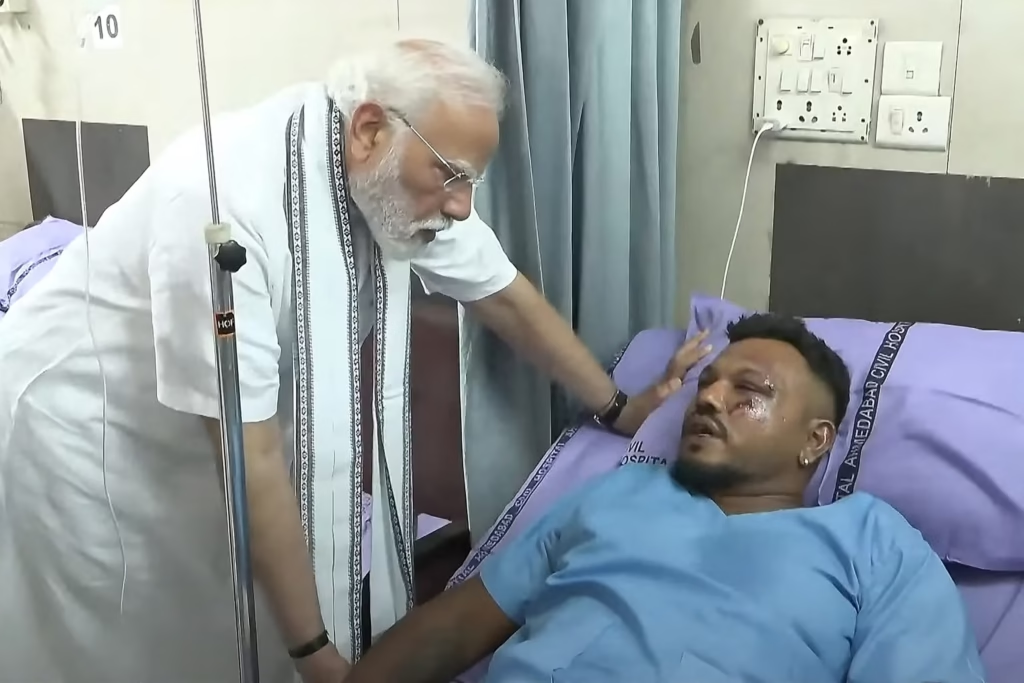
The lone survivor of Air India 171 was Vishwash Kumar Ramesh, a passenger who was seated near an emergency exit. He sustained minor injuries and was rescued from the wreckage. His survival was credited to his seating position and quick response during the impact. He later recounted the terrifying moments when the aircraft lost engine power and collided with the ground
Emerging legal & industry developments (Air India 171 crash update)
Following the release of preliminary investigation material and the black-box analysis, families of victims have begun legal actions. In mid-September 2025, U.S. litigation was reported against Boeing and Honeywell alleging design or manufacturing defects related to fuel-control components and claiming the switches could be accidentally activated a contention that some technical experts and regulators have disputed. The litigation and public petitions demanding wider transparency (for example public interest litigations seeking access to black-box data) reflect the broader fallout of the accident.
Air India 171 Movie
The story of Air India 171 has inspired discussions of a movie to chronicle the crash. The planned film aims to portray the final moments of the flight, the efforts of the crew, and the impact on the victims’ families. While in production, the project is expected to raise awareness about aviation safety and the human experiences behind such disasters.
Air India Hijack
It is important to clarify that Air India Flight 171 was not hijacked. Despite some initial confusion, the crash was due to technical issues and human factors rather than any unlawful interference. Investigations have focused on understanding mechanical failures and cockpit procedures during the critical moments of the flight.
Air India 171 Preliminary Report PDF
The preliminary report on Air India 171 outlined key insights from the initial investigation. It highlighted potential confusion in the cockpit, engine power loss, and the need for clearer operational guidelines. The report also emphasized adherence to safety checks and maintenance procedures as areas requiring scrutiny.
Technical questions raised by the preliminary report
The preliminary findings focus attention on a few technical and human-factors issues that investigators will probe further:
- Why did the fuel-control switches move to CUTOFF? The preliminary report records the movement but does not yet determine whether it was inadvertent (a design or ergonomic issue), the result of a maintenance/installation fault, or a deliberate action.
- Were there preexisting maintenance flags? Media and follow-up reporting have examined maintenance records and FAA advisories referencing similar switch installations. Investigators will correlate maintenance history with recorded switch positions and any anomalous electrical or mechanical signals.
- Human factors and CRM (crew resource management): The crew’s responses, callouts, and time available to diagnose and react are under intensive analysis. The CVR gives investigators a direct window into the cockpit’s timeline.
What investigators still need to establish
The preliminary report aims to document what happened; a final report will address why it happened and recommend safety actions. Investigators will be looking at:
- detailed maintenance and component histories;
- actuator and switch hardware inspection for mechanical anomalies;
- any latent software or electrical issues that could explain inadvertent switch movement;
- the crew’s training and procedural adherence; and
- potential design or airworthiness directives that may be appropriate for Boeing, Honeywell, and regulators.
What this means for passengers and the aviation industry
Air India 171 is the sort of catastrophic, high-profile accident that typically triggers several outcomes: further regulatory scrutiny (including possible airworthiness directives or mandatory inspections), legal actions from victims’ families, industry re-examination of cockpit ergonomics and switch design, and updated crew procedures for dealing with sudden dual-engine thrust losses. The international nature of the operation (Indian carrier on a London route with U.S. manufacturer and global supply chains) ensures multiple agencies including NTSB representatives and other state investigators will participate in the final investigation phases.
Air India 171 public interest and cultural response (Air India 171 movie, coverage, and public memory)
Major aviation accidents often become the subject of documentaries, drama series, and eventually dramatized films. References to an Air India 171 movie have appeared in public conversation as outlets and filmmakers consider how to portray the story, the victims, and the investigation. Any such project will raise questions about sensitivity, accuracy, and timing especially while the official investigation is ongoing.
FAQ regarding Air India 171
When did Air India 171 crash?
The accident occurred on 12 June 2025, shortly after takeoff from Ahmedabad.
What does the Air India 171 preliminary report say?
The AAIB’s July 2025 preliminary report documents that both engines lost thrust after fuel-control switches were recorded moving from RUN to CUTOFF seconds after liftoff; the switches later moved back but not quickly enough to prevent the crash. The report lists factual data and does not yet assign final causal responsibility.
Is there an Air India 171 preliminary report PDF I can read?
Yes the AAIB’s preliminary report PDF was published in July 2025 and is available above
What was the pilot’s last words on Air India 171?
edia outlets reported the cockpit’s distress call included “mayday,” “no thrust,” and “losing power,” but investigators warn that sound bites alone do not explain the sequence of mechanical or human factors events captured in the recorders.
Was the black box recovered and analyzed?
oth the CVR and FDR were recovered from the wreckage, transported under security, and the data was downloaded and analyzed with international agency support. That analysis underpins many of the preliminary findings.
Who survived the Air India 171 crash?
Early reporting indicated there was a single survivor among the aircraft occupants; multiple ground fatalities and injuries were also reported. Official casualty lists were released by authorities and media outlets as part of ongoing reporting.
Has there been a legal response or updates on the Air India 171 crash?
Families of victims have filed litigation (including a lawsuit alleging defective components against manufacturers in U.S. courts) and public interest petitions have demanded access to investigative materials. Those legal developments are ongoing and likely to expand as the final report and detailed technical analyses emerge.
What to watch next
- Final AAIB report: the definitive explanation and safety recommendations will be in the final report, which typically follows months of forensic work.
- Regulatory action: any airworthiness directives or mandatory inspections affecting Boeing 787 operators or specific fuel-control switch hardware.
- Legal proceedings: litigation timelines and discovery may reveal further technical detail (maintenance records, supplier communications).