
Air Cambodia to Boost Fleet with Chinese-Made COMAC C909 Jets
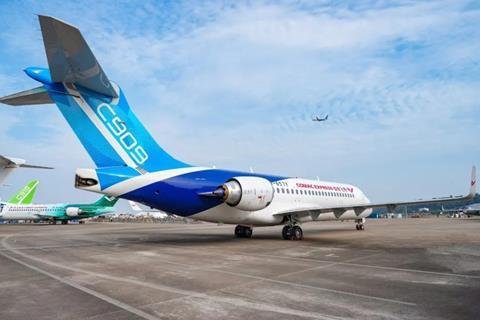
Air Cambodia has entered a preliminary agreement to purchase up to 20 C909 regional jets, developed in China. This strategic move marks a notable milestone in the carrier’s fleet expansion and reflects the growing interest in the region for China’s indigenous aircraft.
Details of the Agreement
On Tuesday, a memorandum of understanding was signed between Air Cambodia and the Commercial Aircraft Corporation of China (COMAC) in China. The deal includes 10 confirmed orders for C909 jets, with an option for an additional 10. This agreement positions Cambodia among other Southeast Asian countries such as Indonesia, Vietnam, Laos, and Brunei, which have embraced COMAC aircraft as the state-owned manufacturer aims to rival industry leaders Airbus and Boeing.
C909’s Role in Air Cambodia’s Fleet
- The C909 is a smaller regional jet.
- It is designed for short to medium-haul routes, aligning well with the dense aviation networks of Southeast Asia.
Integration of the C909 is expected to enhance operational efficiency for Air Cambodia and provide COMAC with a strategic footprint in the region, potentially expanding its international sales reach.
“This agreement reflects our confidence in the C909’s ability to meet the needs of Cambodia’s fast-growing aviation sector,” a COMAC spokesperson stated. “We are proud to support Air Cambodia as it strengthens its regional connectivity.”
Implications for Air Cambodia and COMAC
For Air Cambodia, these new aircraft are anticipated to broaden network coverage and cater to increasing passenger demand across Southeast Asia. For COMAC, each order fortifies its effort to compete head-to-head with dominant players like Airbus and Boeing, whose single-aisle jets currently lead the market.
This agreement underscores Cambodia’s expanding influence in regional aviation growth and reflects COMAC’s strategic approach of establishing trust in nearby markets before pursuing long-haul ventures. As deliveries take place, both companies aim to transform this agreement into long-term collaboration, potentially reshaping regional flight services.