
U.S. Navy Awards $554 Million Contract for Advanced Fighter Jet Training
The United States Navy has entered into a $554 million contract with Airborne Tactical Advantage Company (ATAC) to deliver enhanced training for naval aviators. This agreement, finalized in late July, is structured to boost fleet readiness and strengthen U.S. air combat capabilities.
Program Overview
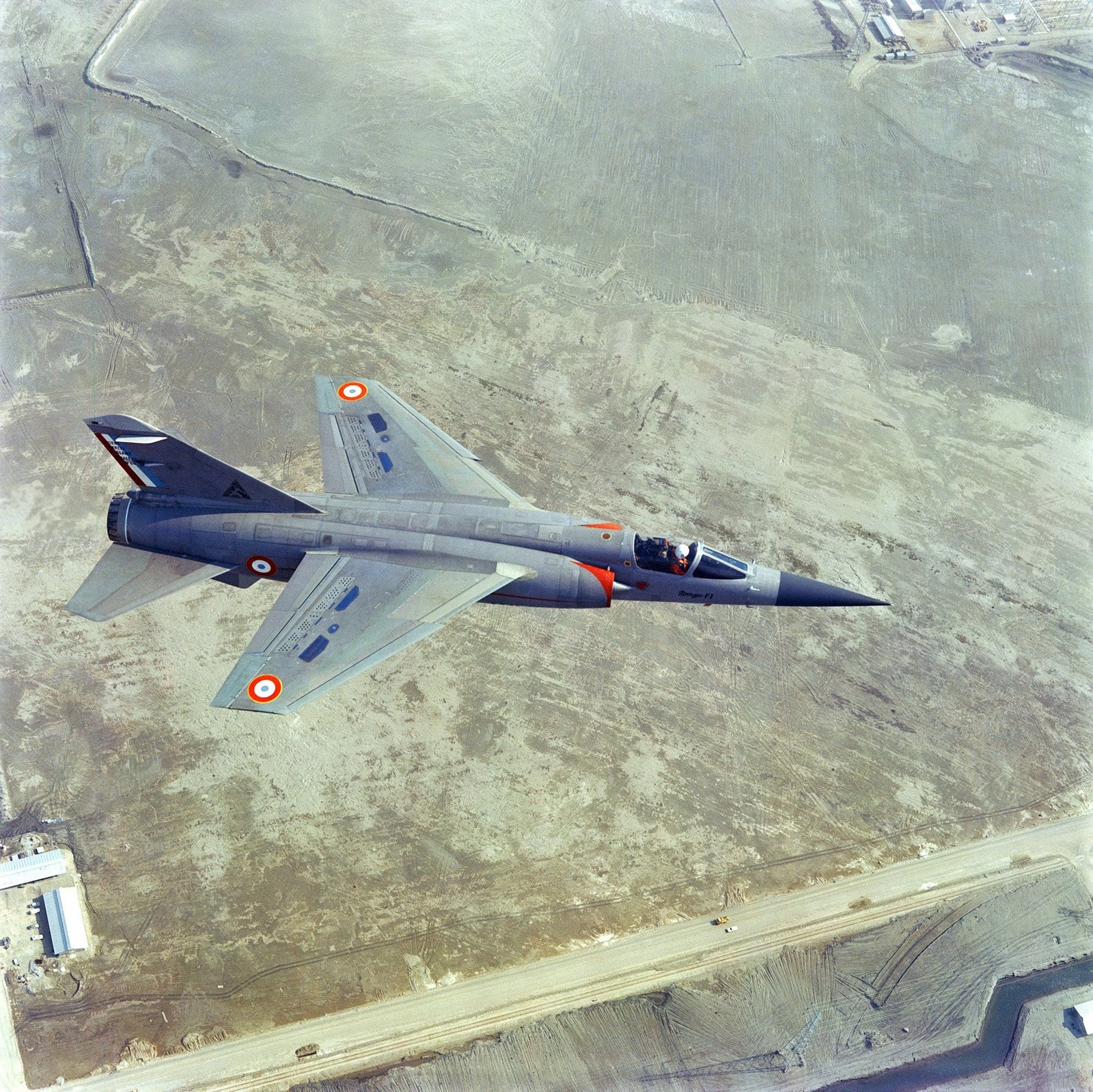
The Fleet Fighter Jet Services program, an indefinite delivery/indefinite quantity contract, will include between 6,500 and 7,000 flight hours annually. ATAC will provide and operate high-performance aircraft such as the Mirage F1, F-21 Kfir, and Mk.58 Hawker Hunter jets. These aircraft are responsible for simulating enemy threats and electronic warfare environments, offering vital training for both Navy and Marine Corps aviators.
Simulation of Adversary Tactics
The service replicates adversary strategies through a combination of supersonic and subsonic jets, creating realistic combat scenarios. By incorporating this into adversary air missions, the program enables pilots and naval crews to prepare against advanced airborne threats before they encounter them in real-world operational settings.
“The Fighter Jet Services contract is a pivotal investment in enhancing our fleet’s air training and certification programs,” stated Capt. Jason Pettitt, the program manager for the Adversary and Specialized Aircraft Program Office. “Utilizing contracted air services allows our squadrons to receive advanced training, which is vital in countering emerging airborne threats, including electronic warfare operations.”
Strategic Importance
This contract exemplifies an increasing dependency on private contractors to support military readiness. ATAC’s contribution is expected to strengthen the Navy’s adversary air program, helping aviators refine their skills in near-peer threat simulations, essential for future conflict preparations.
In essence, the Navy’s agreement with ATAC signifies both a strategic and budget-conscious move towards maintaining high levels of combat readiness. By integrating commercial adversary aircraft in training, the Navy enhances pilot expertise and ensures that operational forces remain prepared for evolving global challenges.