
Introduction
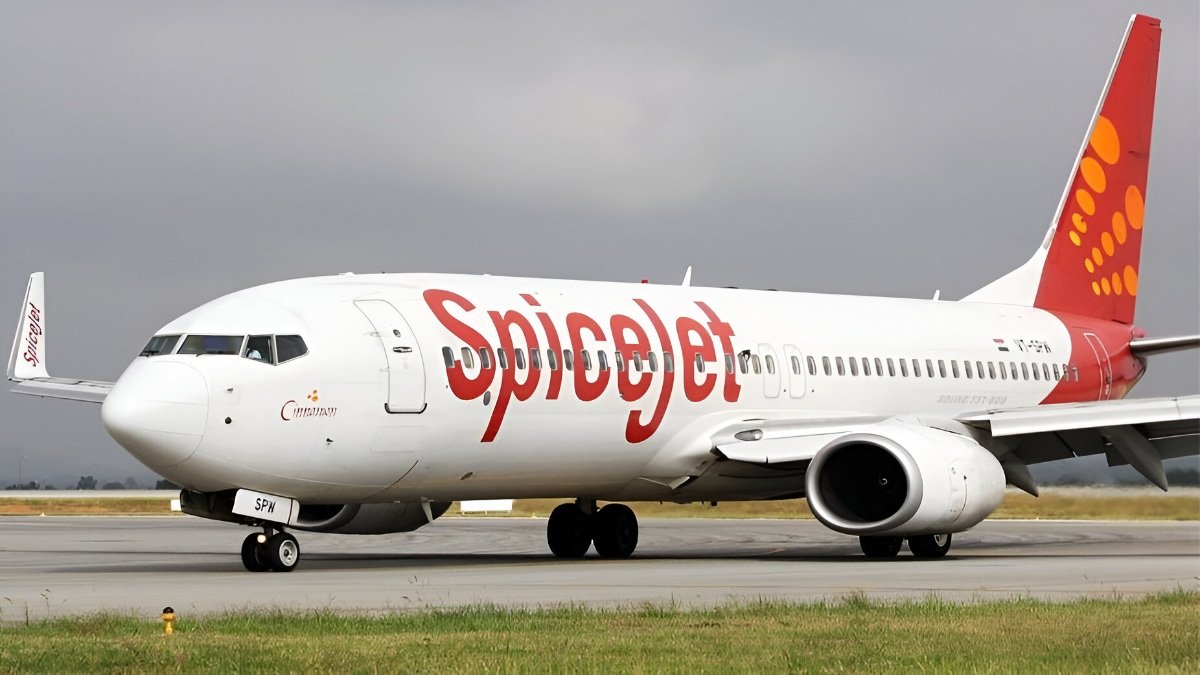
SpiceJet is strategizing to reintegrate approximately ten grounded aircraft into its fleet by April 2026, with plans to return four to five aircraft to service in early winter to accommodate peak demand. The grounded aircraft, situated at various Indian airports, predominantly include Boeing 737 NG, Boeing 737 MAX, and Q400 models, which have contributed significantly to the airline’s maintenance and leasing obligations.
Maintenance and Engine Overhaul
To facilitate the reactivation of the fleet, SpiceJet has procured slots for engine overhauls and maintenance and has already dispatched a total of 19 engines globally for repairs. With the initial batch of overhauled engines already operational, the airline anticipates a consistent delivery of refurbished units to quicken the process of fleet restoration.
Details on Engine Dispatch
- 19 engines sent for repair:
- 7 from Boeing 737 NG
- 6 from Boeing 737 MAX
- 6 from Q400 aircraft
Facilities in the United States, Singapore, and Carlyle Aviation are assisting in refurbishing these engines, particularly for the Boeing 737 NGs.
Fleet Expansion via Leases
Besides reintegrating grounded planes, SpiceJet has also entered a lease agreement to acquire ten Boeing 737 aircraft through damp lease arrangements, set to be in place by October 2025. This initiative aims to enhance the airline’s capacity ahead of the busy winter travel period.
Current Fleet Status and Operational Challenges
As of June 30, 2025, the airline’s operational fleet comprised 56 aircraft, with 21 planes remaining grounded. For comparison, SpiceJet had 61 aircraft by the end of March 2025, with 25 of those in operation.
Financial Challenges
- Q1 FY26 recorded a net loss of INR 238 crore, contrasted with a net profit of INR 150 crore in Q1 FY25.
- Main losses were attributed to geopolitical tensions, restricted airspace, and dampened leisure travel demand, coupled with delays in fleet restoration.
Financial Position and Capital Raising
In September 2024, SpiceJet raised INR 3,000 crore through an oversubscribed Qualified Institutional Placement (QIP), with INR 300 crore remaining unused by March 2025. These funds are earmarked for aircraft reactivation, acquisition of new aircraft, technological investments, and market expansion.
Additionally, lease obligations amounting to $121.18 million were restructured with Carlyle Aviation Management Limited. For FY25, the airline’s net worth was measured at INR 683 crore, bolstered by a promoter equity infusion of INR 500 crore.
Conclusion and Outlook
SpiceJet is navigating the dual challenge of financial pressures and the need to bolster its fleet. By ungrounding aircraft, onboarding new leases, and restructuring financial obligations, the airline aims to recover capacity and stabilize operations. The forthcoming peak travel seasons will be pivotal in evaluating the effectiveness of these strategies in enhancing performance and mitigating losses.