

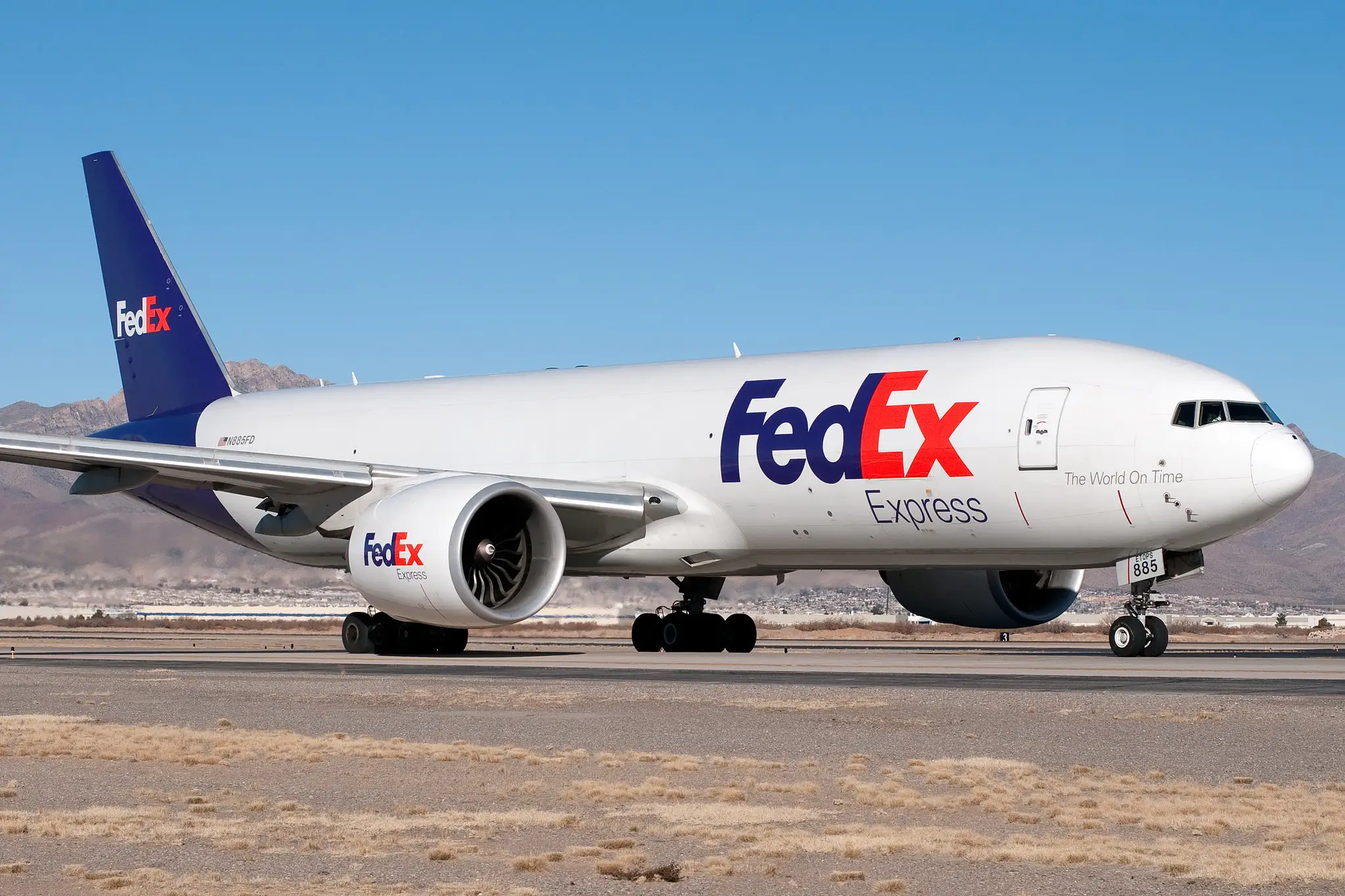
The global freighter fleet is on the verge of unprecedented expansion. According to IBA’s Freighter Market Outlook 2025–2044, the fleet size is expected to grow by 41% over the next two decades. This surge is set to transform the aviation landscape significantly.
Projected Expansion of Freighter Fleet
IBA, a leader in aviation market intelligence, forecasts that the global freighter fleet will increase from approximately 2,800 aircraft today to just under 6,000 by 2044. This growth is driven by:
- More than 2,000 passenger-to-freighter (P2F) conversions.
- About 900 new factory-built deliveries.
Recent Trends in Freighter Market
The freighter market has experienced significant expansion recently, with a 33% increase in fleet numbers from 2019 to 2024. Strong demand and available feedstock for P2F conversions fueled this growth. However, IBA anticipates a deceleration in expansion, predicting a modest 11% growth by 2029.
Future Drivers and Challenges
Though short-term demand is set to rise at a modest 1–2% annually due to weaker global trade, e-commerce remains a powerful growth driver. It’s expected to increase by 6–7% annually through 2030, outpacing global GDP forecasts. Despite stabilized cargo revenues post-pandemic, they remain a crucial income source for airlines.
| Airline | 2024 Revenue (Billion USD) | 2019 Revenue (Billion USD) |
|---|---|---|
| Qatar Airways | 4.93 | 2.73 |
| Emirates | 4.38 | 3.05 |
Environmental Regulations: A Growing Concern
Environmental regulations pose a significant challenge for freighter operators. European carriers currently pay around $6 per tonne of CO2 under the EU and UK Emissions Trading Systems, compared to $3–4 for U.S.-based integrators like FedEx and UPS. With the phase-out of free allowances by 2027 and the mandatory adoption of CORSIA, U.S. operators are poised to incur costs approximating $350 million each.
Steady Growth Ahead
Despite the slowdown from the pandemic-driven boom, IBA predicts a period of steady, incremental growth for the freighter market. Rising trade volumes and GDP growth are expected to sustain demand while the market remains vulnerable to short-term fluctuations and policy changes.