
Delta 767 Experiences Mid-Flight Crisis: Safely Lands in Boston
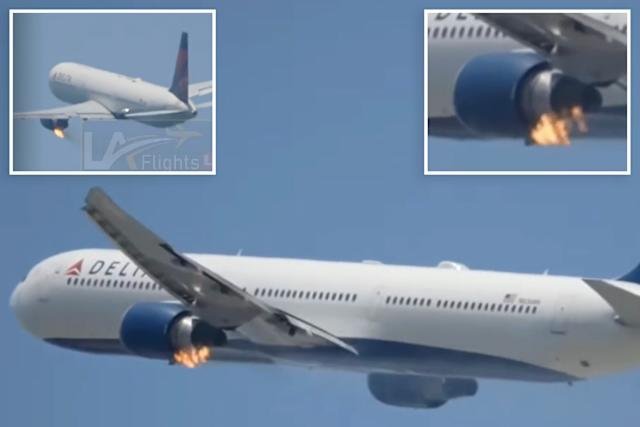
Passengers aboard Delta Air Lines Flight DL1 experienced an unexpected detour on September 26, when the 24-year-old Boeing 767-400ER they were aboard suffered an engine malfunction shortly after leaving New York. Originally bound for London Heathrow, the flight had to make an emergency landing at Boston Logan International Airport due to a power loss in the left-hand engine.
The aircraft, identified by registration N840MH, was approximately 120 nautical miles east of Boston when the incident occurred. The flight crew swiftly declared an emergency and followed protocol to descend the aircraft efficiently for an emergency landing. Emergency services were preemptively called to meet the aircraft on arrival, ensuring passenger safety was preserved at every step.
Navigating the Emergency
After taking off at 21:05, 35 minutes past its scheduled departure, the Boeing 767 was climbing over the Atlantic when the engine issue was detected. The crew executed a “drift-down,” a controlled descent procedure, to stabilize the aircraft using the remaining functional engine. This action was critical in maintaining sufficient thrust to reach Boston safely.
Upon landing on runway 33L, the aircraft was met by emergency personnel who inspected the plane for any additional safety concerns, such as overheating brakes. Fortunately, the aircraft was deemed safe, though it remained in Boston overnight for thorough inspection and maintenance checks by Delta’s ground crew.
Aircraft Back in Service
Following a comprehensive inspection and necessary maintenance, the 767-400ER was cleared to fly back to New York as flight DL9967 the next day. Upon completion of this short journey, the aircraft resumed its place in Delta’s fleet, smoothly completing its next scheduled transcontinental flight from JFK to Los Angeles.
This 24-year-old aircraft has not been without its previous incidents. In 2009, a different mid-air complication involved flickering cabin lights and the deployment of oxygen masks, leading to an emergency landing in Canada. Such occurrences underscore the rigorous checks and balances in place to ensure passenger safety despite the challenges faced by aging aircraft.
As Delta plans to phase out older models in favor of more modern aircraft like the Airbus A350-1000 and A330neo, incidents like these serve as critical reminders of the importance of aviation safety protocols and the airline industry’s commitment to continuous improvement.