
Delta Air Lines‘ Effort to Mitigate Toxic Fumes on A320 Fleet
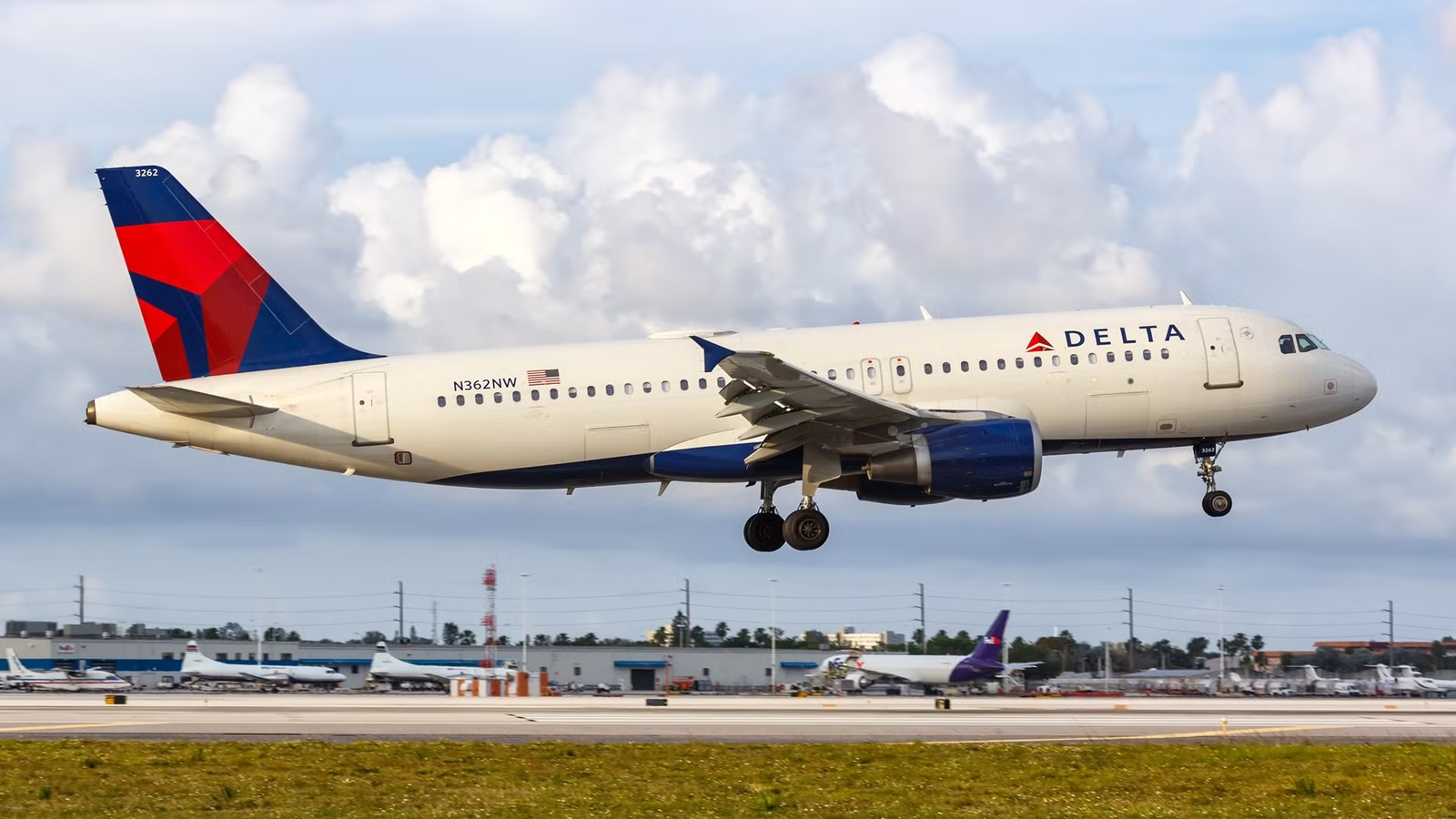
Delta Air Lines (DL) is in the midst of a significant fleet enhancement project, replacing auxiliary power units (APUs) on over 300 Airbus A320 aircraft. This initiative, aimed at preventing toxic fume leaks from entering cabins, began in 2022 and is now more than 90% complete, addressing health concerns for both crew and passengers.
Health Concerns Prompt Action
Reports from flight attendants of severe symptoms due to fume exposure have motivated airlines, including Delta, to explore advanced synthetic oils. United Airlines (UA) and Frontier Airlines (F3) also prioritize monitoring these issues, focusing on preventive maintenance on aircraft like the Boeing 787.
Delta Replaces A320 Engines
Delta Air Lines is proactively replacing engines in its Airbus A320 fleet to prevent oil leaks that can contaminate cabin air. APUs, critical for ground operations, occasionally fail, releasing fumes into the ventilation system. This effort aims to complete full coverage by late 2025, addressing numerous reported incidents across the fleet.
According to CBS News, flight crews have reported immediate symptoms, including dizziness and respiratory problems. A notable incident described by flight attendant Vanessa Woods involved severe toxin inhalation mid-flight in 2016. These events highlight the urgency, given that the A320 is prevalent on short-haul routes.
Addressing Design Vulnerabilities
A Wall Street Journal investigation revealed vulnerabilities in the A320’s design, where engine oil combustion produces harmful vapors. Delta responded by testing oils from various suppliers to mitigate these risks. Engineers ensure the integration of replacements without disrupting schedules, closely monitoring seal integrity and pressure levels.
Health Impact of Toxic Fumes
Toxic fumes can lead to neurological disorders, including memory loss and chronic fatigue. Dr. Robert Harrison, an occupational medicine expert at the University of California San Francisco, annually treats over 100 affected crew members. Symptoms resemble acute poisoning, with long-term effects like neuropathy persisting.
Passengers are also at risk, though incidents are rare. Harrison advocates for early detection using air quality sensors, which Delta is incorporating into its upgrades while aligning with FAA cabin safety guidelines.
Industry-Wide Strategies for Fume Mitigation
- United Airlines: CEO Scott Kirby emphasizes engine monitoring and preemptive seal replacements, especially for legacy fleets. The Boeing 787 Dreamliner’s design inherently avoids fume issues through isolated systems.
- Frontier Airlines: CEO Barry Biffle notes the rare occurrence of such incidents but maintains oversight with maintenance protocols and rapid response teams.
Efforts in the industry include a transition to sustainable aviation fuels, which could further stabilize engine operations. Delta is also focusing on crew training regarding symptom recognition and emergency protocols, partnering with manufacturers for oil innovations, promising comprehensive fleet benefits by 2026.
Stay informed by following us on social media and joining our Telegram group for the latest aviation updates.