
Southwest Airlines Begins Transition to Boeing 737 MAX
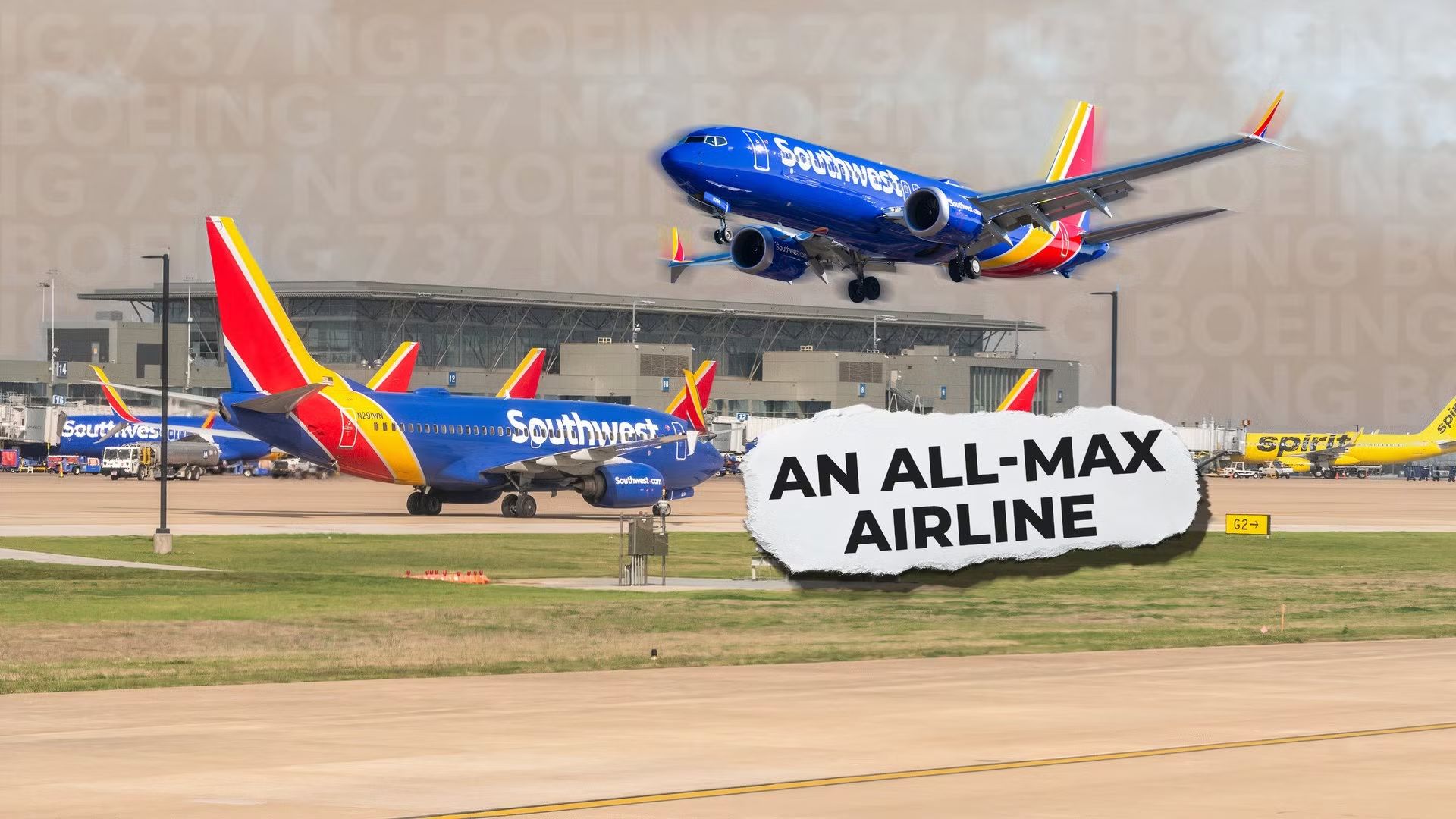
Southwest Airlines, the largest operator of the Boeing 737, is currently in the process of refreshing its fleet by reducing the number of Boeing 737 Next Generation (NG) aircraft. This move aims to completely phase out the fleet by 2031. The airline operates 810 Boeing 737 aircraft, including the 737-700, 737-800, and 737 MAX 8 variants, with plans to streamline operations with the more efficient 737 MAX series.
Details of Southwest’s Boeing 737 Operations
| Variant | Number In Fleet | Passenger Capacity |
|---|---|---|
| Boeing 737-700 | 334 | 143 |
| Boeing 737-800 | 203 | 175 |
| Boeing 737 MAX 8 | 273 | 175 |
Reasons for Fleet Reduction
Improved Fuel Efficiency with Boeing 737 MAX
The Boeing 737 MAX series, equipped with two CFM LEAP-1B engines, offers significant enhancements in fuel efficiency—approximately 14-20% over the 737 NG models. With advanced winglets and lighter materials, these features translate directly into reduced fuel costs, which is a primary factor in aircraft operating expenses. This strategic upgrade is part of Southwest Airlines’ broader sustainability goals.
Aging Boeing 737 NG Fleet
Southwest’s current 737 NG aircraft have become considerably aged, with the 737-700 averaging 19 years and the 737-800 roughly 11 years old. The airline plans to retire about 55 of these planes annually. Aging aircraft not only demand higher maintenance costs but face potential structural issues, such as fuselage cracks inspected under FAA mandates.
Market Dynamics and Strategic Planning
Increasing Demand for Narrowbody Aircraft
The demand for narrowbody aircraft continues to rise, creating a favorable market for selling used aircraft. CEO Bob Jordan indicated that Southwest aims to capitalize on this demand through sale opportunities and sale-leaseback arrangements. As demand accelerates due to supply chain issues, the strategy of selling 737 NGs benefits Southwest financially.
Transition to an All-Boeing 737 MAX Fleet
Southwest’s commitment to the Boeing 737 MAX is reflected in its robust order pipeline, which includes 196 additional MAX 8s and 314 MAX 7s. The airline aims to simplify its fleet to reduce operating complexity, as larger fleets of newer models yield cost benefits. The culmination of this transition will eventually align with industry norms, offering streamlined operations and enhanced efficiency.
Challenges Faced by the Boeing 737 MAX
The 737 MAX program has faced major setbacks, including tragic crashes leading to a long-term grounding that spanned nearly two years. Despite financial and reputational setbacks, the aircraft has resumed deliveries, with swifter resolution anticipated for existing backlogs.
Southwest Airlines: A Historical Overview
Founded in 1967, Southwest Airlines initially operated within Texas to sidestep federal regulations, laying the groundwork for its low-cost carrier model. Following national deregulation, the airline expanded across the U.S., establishing itself as a point-to-point, cost-effective operator. Today, Southwest is the fourth-largest U.S. airline and continues to grow, recently making significant inroads in the Hawaiian air market.