
$11 Million Verdict Against American Airlines
A California jury has mandated that American Airlines compensate a passenger, Jesus Plasencia, with $11 million. This decision comes after Plasencia suffered two strokes on a transatlantic flight from Miami to Madrid in November 2021. According to the Los Angeles Times, the jury found the airline negligent for not diverting the flight despite clear symptoms of neurological distress presented by Plasencia.
Details of the Incident
- Flight: American Airlines AA68
- Date: November 15, 2021
- Route: Miami to Madrid
- Passenger: Jesus Plasencia
Plasencia’s wife, Ana Maria Marcela Tavantzis, made urgent requests for the plane to land early due to her husband’s medical condition. The lawsuit claimed that not diverting the flight contributed to the severity of his two strokes on board. The jury ultimately agreed that American Airlines failed in its duty to provide adequate care.
The Legal Argument
The core of the lawsuit focused on American Airlines prioritizing flight operations over passenger health. Testimonies revealed that Plasencia’s condition deteriorated as he lost speech capability and had difficulty handling his phone. Upon landing, he was hospitalized in Spain for three weeks. The airline’s decision not to divert likely exacerbated Plasencia’s condition, which might have been mitigated with faster access to medical care in Miami.
Impact on American Airlines
The substantial award of $11 million represents a significant financial hit for American Airlines. Already contending with high labor costs, fuel price volatility, and investment needs, this comes at a challenging time for the airline. While not as profitable as competitors Delta and United, American’s decision may further harm its brand image, which has already suffered after moves to become more budget-oriented.
Fleet Comparison
| Airline | Fleet Size |
|---|---|
| United Airlines | 1,052 |
| American Airlines | 998 |
| Delta Air Lines | 991 |
Challenges in Medical Diversions
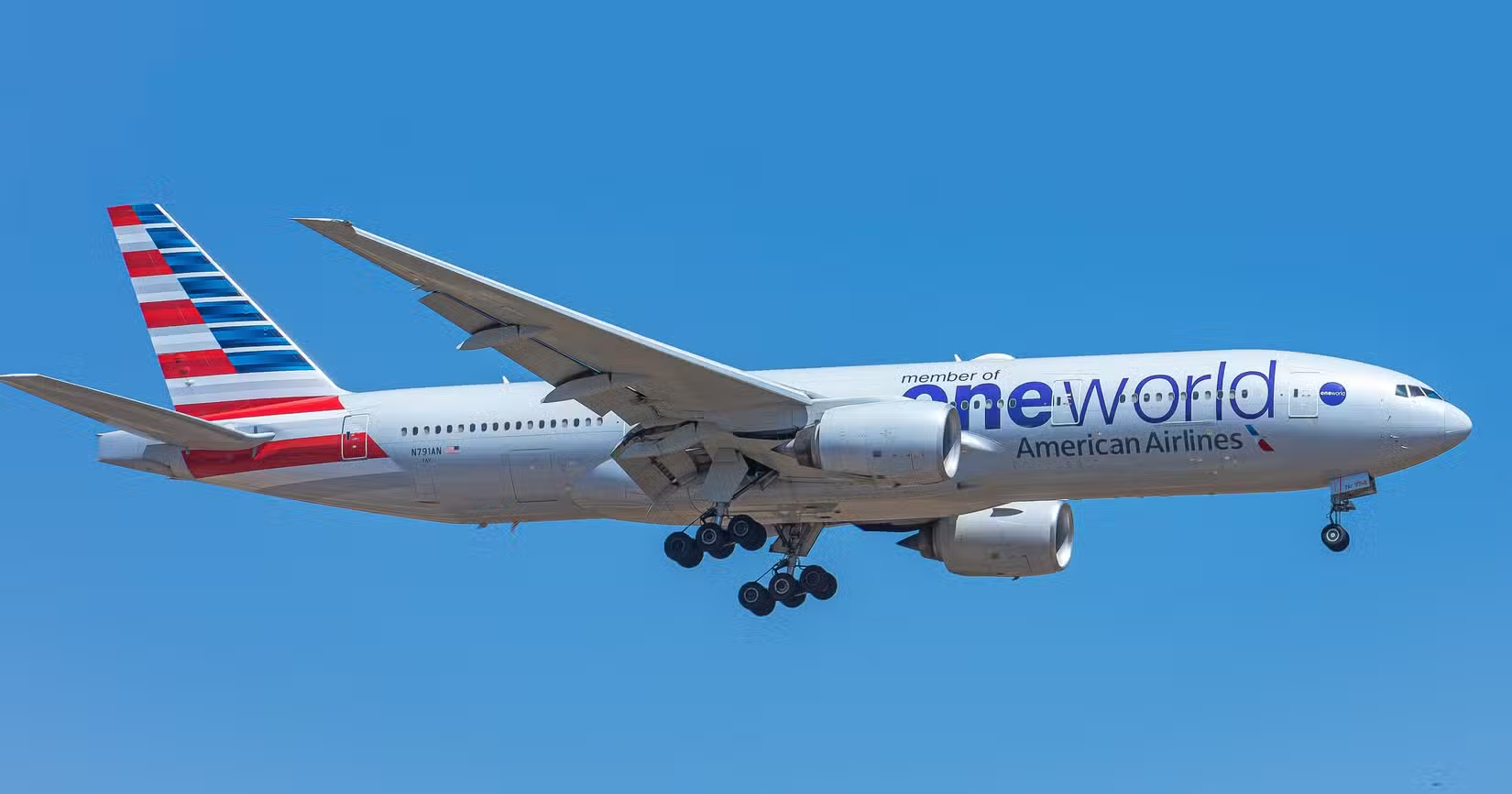
Aviation regularly deals with medical emergencies, which are often minor. However, life-threatening situations pose tough decisions regarding flight diversions. The case of Plasencia underscores the significance of such decisions and might lead airlines to reassess their guidelines. Factors like available diversion airports, equipped to handle widebody aircraft like the Boeing 777, and operational costs heavily influence these decisions.
Medical diversions involve considerable expenses, from fuel costs to re-routing passengers, and can severely disrupt schedules. Yet, the priority should remain the passenger’s health. The proximity of Spain to the U.S. could make completing the journey less disruptive, yet cost-benefit analyses should never downplay urgent medical needs.