
Top 10 Wealthiest Airlines of 2025
The airline industry in 2025 has seen a notable rebound and growth following the pandemic years. Several carriers emerged as the richest based on their market capitalization and asset strength. This ranking identifies the ten wealthiest airlines, highlighting their market value and financial robustness.
Overview of Top Airlines
In 2025, prominent U.S. carriers lead the list of the wealthiest airlines. European airline groups like Lufthansa, IAG, and Air France-KLM continue their strong performance due to extensive transatlantic operations and large fleets. Meanwhile, Emirates, a Gulf powerhouse, reports record profits, and Chinese airlines secure their spots with government backing.
Top 10 Richest Airlines
| Rank | Airline | Total Assets | 2024 Revenue | Market Cap (2025) |
|---|---|---|---|---|
| 1 | Delta Air Lines (DL) | $73.1 billion | $61.6 billion | $40.5 billion |
| 2 | United Airlines (UA) | $61.7 billion | $57 billion | $34 billion |
| 3 | American Airlines (AA) | $68.4 billion | $54.2 billion | $9 billion |
| 4 | Lufthansa Group (LH) | Large EU assets | $40.5 billion | Public varies |
| 5 | IAG (BA/IB/VY/AY) | Large group assets | $39 billion | Public varies |
| 6 | Air France-KLM (AF/KL) | Significant assets | $34 billion | Public varies |
| 7 | Emirates (EK) | State-backed | $35 billion | State-owned |
| 8 | Southwest Airlines (WN) | Domestic focus | $27.5 billion | US-listed |
| 9 | China Southern Airlines (CZ) | Large Chinese assets | $24.2 billion | Public in China |
| 10 | Air China (CA) | $47.425 billion | $23.2 billion | Public in China |
Why These Carriers Prevail
U.S. Network Carriers: The U.S. aviation market, being the world’s largest, supports carriers like Delta, United, and American through extensive networks and premium programs, leading to high passenger volumes.
European Aviation Groups: Companies like Lufthansa, IAG, and Air France-KLM benefit from strong transatlantic operations, large-scale fleets, and alliances, fostering economic efficiency.
The Gulf Powerhouse: Emirates thrives on its strategic location and government backing, achieving record profits in 2025, focusing on luxury and long-haul routes.
Emirates Fleet Overview
| Aircraft Type | In Service | Parked | Total (Current) | Future Orders | Avg. Age | Grand Total |
|---|---|---|---|---|---|---|
| Airbus A319 | 1 | – | 1 | – | 14.0 Years | 1 |
| Airbus A350 XWB | 9 | – | 9 | 10 | 0.5 Years | 19 |
| Airbus A380 | 95 | 21 | 116 | – | 10.7 Years | 123 |
| Boeing 777 | 138 | 3 | 141 | 12 | 12.0 Years | 209 |
| Total | 243 | 24 | 267 | 22 | 11.1 Years | 352 |
Chinese Aviation Giants: Airlines such as China Southern and Air China benefit from a massive domestic market and secured government support, ensuring stability and growth.
Southwest Airlines: As a budget carrier, Southwest’s domestic focus and efficient operations render it lucrative in the U.S. market.
Key Wealth Drivers
- Revenue Power: Companies like Delta capitalize on vast networks and customer loyalty, earning billions annually.
- Profitability Edge: Emirates’ focus on luxury and efficiency guarantees high profitability.
- Asset Strength: European and Chinese airlines bolster their balance sheets with large fleets and essential infrastructure.
- Market Value: Robust market capitalization underscores investor confidence, particularly for Delta and United.
Delta Air Lines Dominates
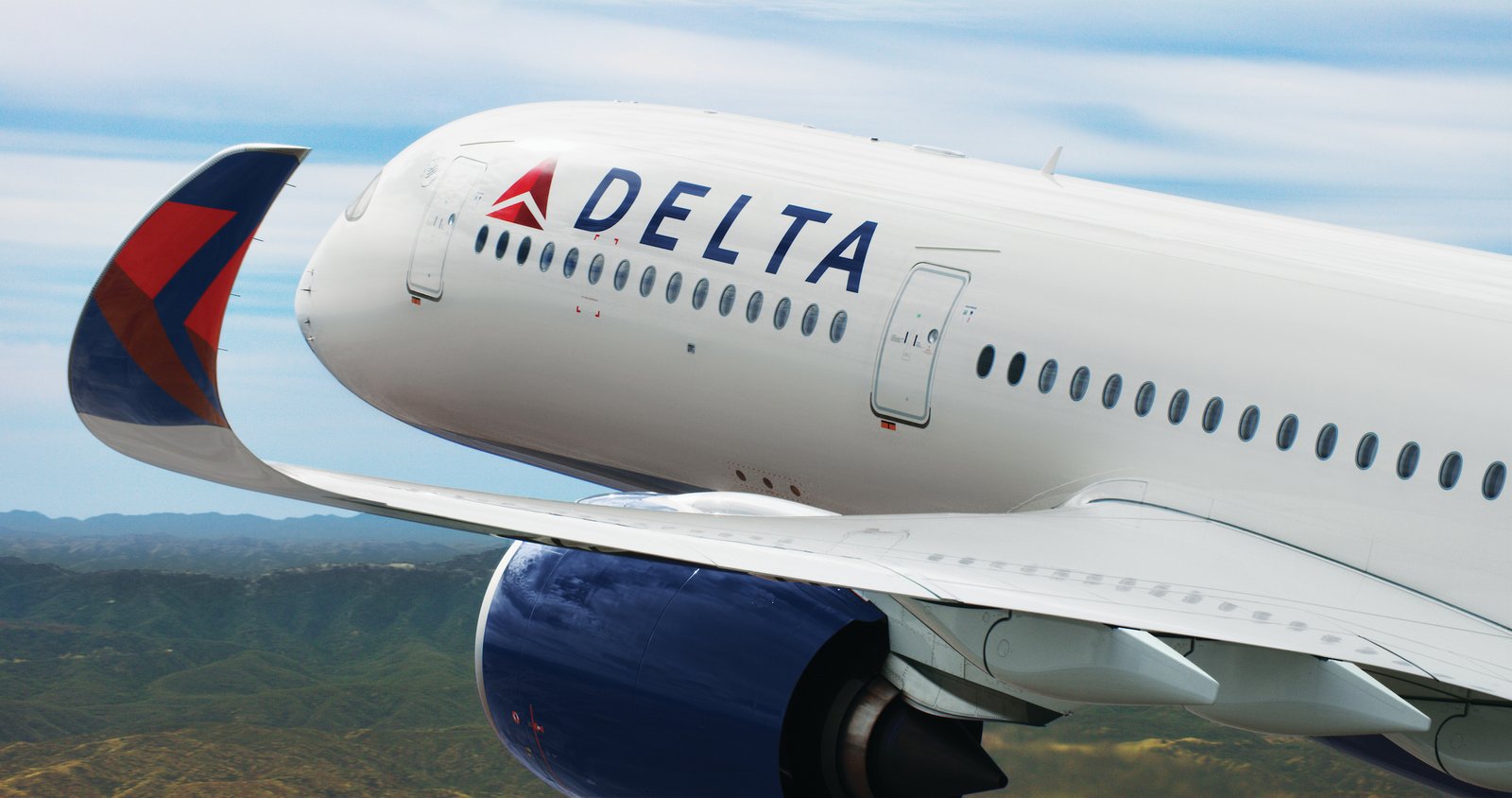
Leading globally, Delta boasts a market capitalization of $40.5 billion and total assets of $73.1 billion. Its expansive domestic and international presence solidifies its status as the most valuable airline.
United Airlines Follows
United Airlines, with $34 billion in market cap, sustains its stronghold through its strategic hubs and global connectivity, emphasizing fleet upgrades and premier services.
American Airlines: A Resourceful Giant
American Airlines secures the third spot, despite a $9 billion market cap. Its substantial assets and vast fleet ensure its place among the top airlines. Below is an overview of its fleet:
| Aircraft Type | In Service | Parked | Total (Current) | Future Orders | Avg. Age | Grand Total |
|---|---|---|---|---|---|---|
| Airbus A319 | 124 | 8 | 132 | – | 21.4 Years | 133 |
| Airbus A320 | 46 | 2 | 48 | 20 | 24.4 Years | 68 |
| Airbus A321 | 293 | 9 | 302 | 9 | 10.7 Years | 312 |
| Boeing 737 | 373 | 9 | 382 | 2 | 13.4 Years | 431 |
| Boeing 777 | 65 | 2 | 67 | – | 20.8 Years | 67 |
| Boeing 787 Dreamliner | 66 | 1 | 67 | 3 | 6.7 Years | 70 |
| Total | 967 | 31 | 998 | 34 | 14.2 Years | 1,081 |
European Giants: Sustained Success
Dominating the European scene, Lufthansa, IAG, and Air France-KLM harness their vast networks and fleet sizes, leveraging international routes for profitability.
Emirates: A Luxury Icon
Generating $35 billion in revenue, Emirates distinguishes itself with premium service and strategic hub operations, positioning Dubai as a key global connector.
Asian Aviation Force
With significant domestic demand, both China Southern and Air China, riding on government support, wield substantial influence in the aviation sphere.
Conclusion
The wealthiest airlines of 2025 showcase intricate strategies and impressive scales; Delta leads with unparalleled market valuation, followed closely by United and American. European and Gulf carriers capitalize on global reach and luxury, respectively, while Chinese and U.S. carriers reaffirm their market strongholds, including Southwest’s budget model success.