
Boeing 777 and Passenger Complaints
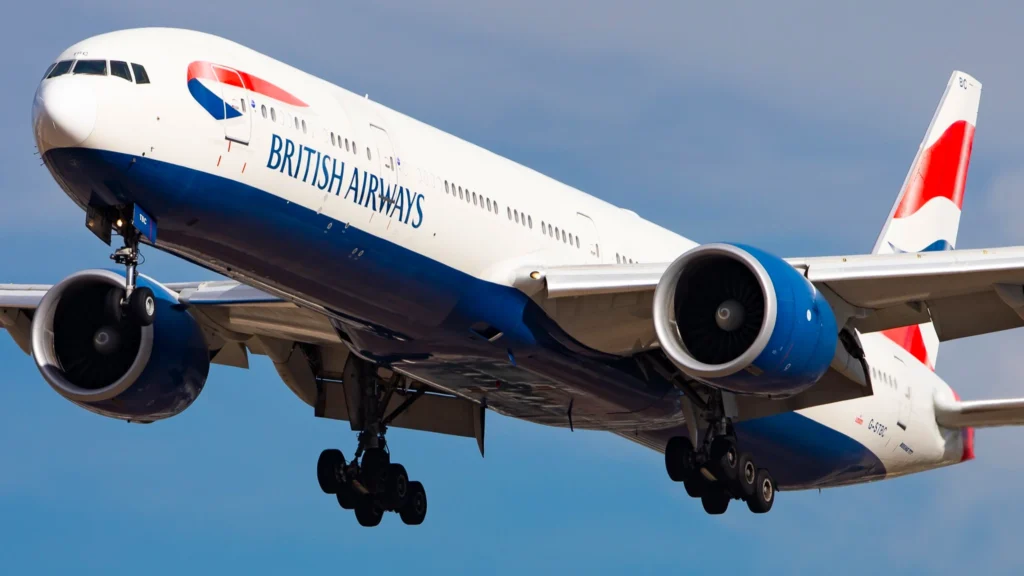
United Airlines introduced the Boeing 777 aircraft in 1995, with its first flight departing from Chicago O’Hare International Airport (ORD). Over the years, airlines like British Airways from London Heathrow (LHR) and Cathay Pacific from Hong Kong International Airport (HKG) have significantly utilized this aircraft for long-haul journeys.
However, passengers flying on the Boeing 777 often report feeling unwell post-flight. Contrary to newer models such as the Boeing 787 Dreamliner and Airbus A350, which were introduced by All Nippon Airways at Tokyo Narita and Qatar Airways from Doha, respectively, the 777 tends to leave travelers experiencing flu-like symptoms, fatigue, and sinus discomfort.
Fatigue Factors on Boeing 777
Despite the luxurious marketing of the First Class cabins on the Boeing 777, passengers frequently describe experiencing the same discomfort as those in Economy. Comments on social media platforms, such as Reddit, reflect these sentiments.
- “After flying long-haul on a 777, I feel terrible for days,” shared one Reddit user.
- Another noted, “I traveled on the 777 to Dallas and back. It took days to feel normal again.”
Such accounts underscore a broader belief that the 777 leaves passengers more fatigued compared to other long-haul aircraft.
Influence of Cabin Pressurization and Design
The cabin of the Boeing 777 is pressurized between 6,000 to 8,000 feet, whereas aircraft like the Boeing 787 and Airbus A350 generally maintain a cabin altitude of approximately 6,000 feet. This 2,000-foot difference significantly affects passenger oxygen levels and energy over long flights.
| Aircraft | Cabin Altitude | Pressure Differential | Max Cruise Altitude |
|---|---|---|---|
| Boeing 777 | 6,000–8,000 ft | 9.1 psi | 43,000 ft |
| Boeing 787 Dreamliner | 6,000 ft | 9.4 psi | 43,000 ft |
| Airbus A350 | 6,000–6,500 ft | 9.4 psi | 43,100 ft |
| Airbus A380 | 7,000–8,000 ft | 8.4 psi | 43,100 ft |
The Boeing 777’s fuselage is constructed from aluminum, which limits pressurization capability to avoid long-term structural fatigue. In contrast, the 787 and A350’s composite fuselages enable higher pressures with less risk of damage.
Humidity and Air Systems
Passengers on the Boeing 777 often report the cabin air as being extremely dry. The aircraft utilizes a bleed-air system, which draws hot compressed air from the engines into the cabin, lowering humidity levels to as low as 10–20%. Although this setup inadvertently preserves the airframe, it leads to discomfort among passengers.
In contrast, the Boeing 787 and Airbus A350 maintain higher humidity levels due to their composite materials, which resist corrosion better than aluminum.
Comparative Cabin Layout
The Airbus A380, despite similar pressurization to the 777, offers a more comfortable experience due to its larger size, smoother ride, and quieter cabin. The Boeing 777-300 is also considered more comfortable than the 777-200, thanks to differences in space and noise distribution. British Airways, which was one of the last to operate a 3-3-3 seating layout on the 777, moved to denser configurations in response to competition, reducing economy class comfort.
Fleet Age and Future Improvements
While some Boeing 777-200 aircraft still in operation are nearly 30 years old, the model’s design has seen little change since its inception, contributing to an outdated passenger experience. Future enhancements, such as the upcoming Boeing 777X models, are expected to address these issues by lowering cabin altitude to around 6,000 feet. Airlines like Emirates, Qatar Airways, Lufthansa, and Cathay Pacific plan to adopt this new aircraft once certification hurdles are overcome.
Passenger Tips and Future Outlook
In the meantime, passengers can mitigate 777 discomfort by staying well-hydrated, avoiding alcohol and salty foods, using saline nasal sprays and eye drops, and wearing earplugs or noise-canceling headphones. Boeing’s continued advancements, such as the anticipated improvements in the 777X, promise to reshape long-haul travel comfort, provided they meet rigorous FAA standards.
Despite challenges, including a 2024 worker strike and certification issues, Boeing remains optimistic about the 777X, eyeing 2026 deliveries. The success of the 777X will be crucial in competing with the renowned comfort of the Airbus A350.