
Introduction: The Role of Autopilot in Modern Aviation
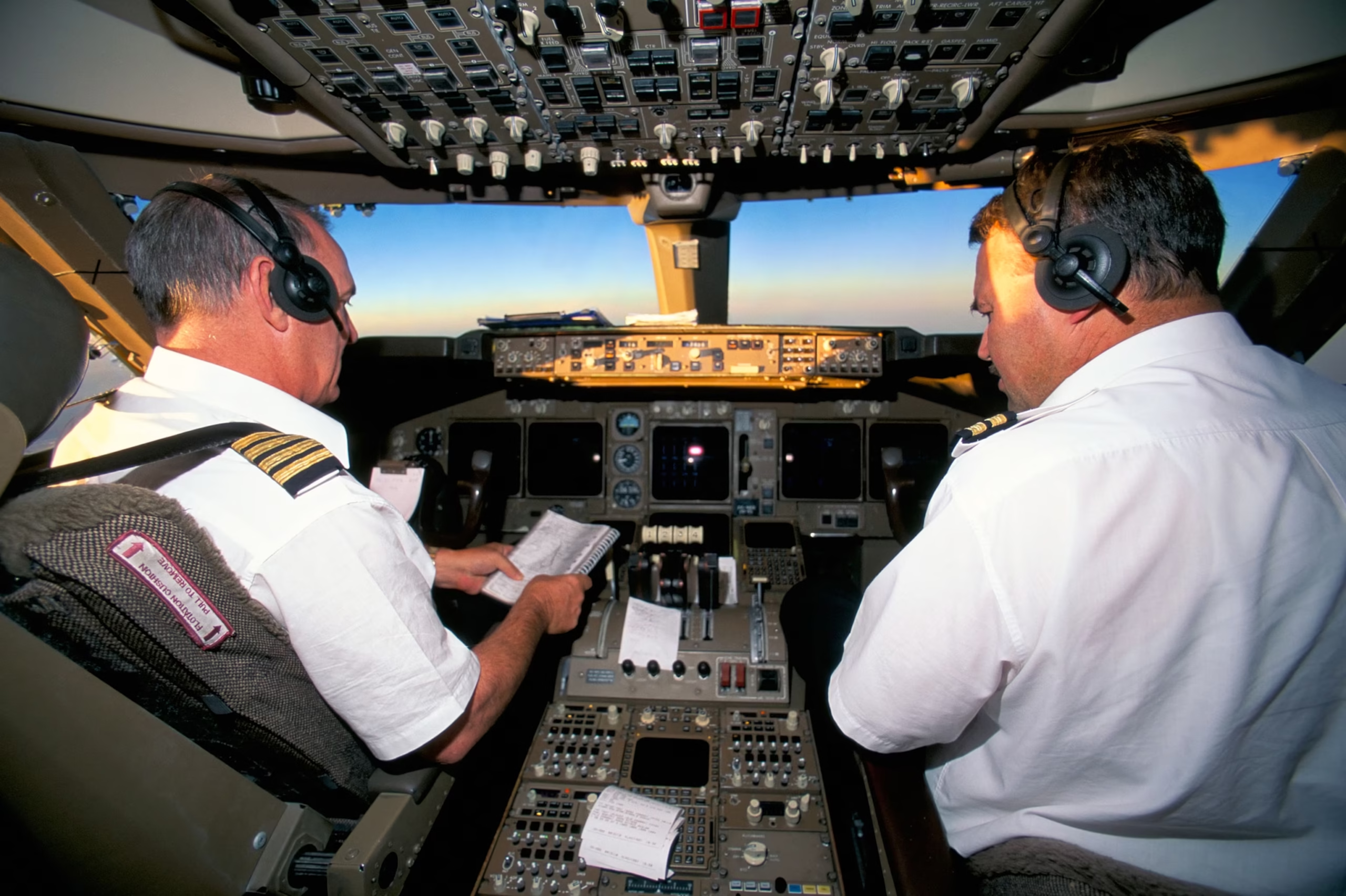
The aviation industry often hears predictions that pilots might soon be obsolete with advancements in computer technology. However, this perspective is based on the misconception that jetliners are fully autonomous. In reality, while autopilot is an essential tool, it cannot fly a plane without human intervention. It requires pilots to program, monitor, and update its systems continuously.
Understanding Autopilot Functionality
Autopilot systems have evolved from simple gyroscope assemblies to sophisticated networks of sensors, processors, and avionics. These modern systems support various flight operations, such as climbing, descending, and navigating across diverse terrains. Pilots program waypoints and update the flight path, speed, and altitude based on weather conditions and aircraft weight.
Landing with Autopilot Assistance
Instrument Landing Systems (ILS) at many airports assist pilots during challenging landing conditions, such as poor visibility. ILS sends radio signals to onboard sensors, guiding the autopilot to align the aircraft accurately with the runway. Pilots often take manual control for the final descent, as human input remains crucial for safe landings.
The Impact of Automation on Pilot Skills
There is concern within the industry that automation may erode pilots’ manual flying skills. The Federal Aviation Administration (FAA) issued a Safety Alert for Operators (SAFO) advising pilots to practice manual flying regularly to maintain proficiency. Overreliance on autopilot might render pilots unprepared for emergencies.
Automation’s Role in Recent Crashes
The 737 MAX incidents in 2019 highlighted risks associated with automation and pilot readiness. Boeing faced scrutiny for withholding critical information about its automated system, contributing to fatal accidents. These events emphasized the need for comprehensive training and awareness among pilots.
Different Levels of Autopilot Automation
| Autopilot Types | Functions |
|---|---|
| Basic Autopilot | Keeps the aircraft stable, holding altitude or heading. |
| Intermediate Systems | Can follow navigation points (waypoints) and manage climbs or descents. |
| Advanced Flight Management Systems (FMS) | Handle entire flight plans, monitor engine performance, and optimize routes automatically. |
Autopilot systems, while beneficial, must enhance pilot skills rather than replace them. Safety protocols must ensure pilots are adept with manual controls, especially during unforeseen situations.
Rebuilding Trust After the 737 MAX Tragedies
The fallout from the 737 MAX tragedies led to a global grounding of the fleet, scrutiny of Boeing, and a renewed focus on pilot training. Boeing’s penalties and compensation efforts were significant, highlighting the corporate responsibility in aviation safety.
| Payment | Amount |
|---|---|
| Penalties | $1.7 billion USD |
| Payments | $243 million USD |
| Fines | $500 million USD |
The 737 MAX crisis serves as a reminder of the necessity for transparency and rigorous pilot training in operating and managing autopilot systems effectively.