
Growing Concerns Over Toxic Fume Events in Airbus A320 Aircraft
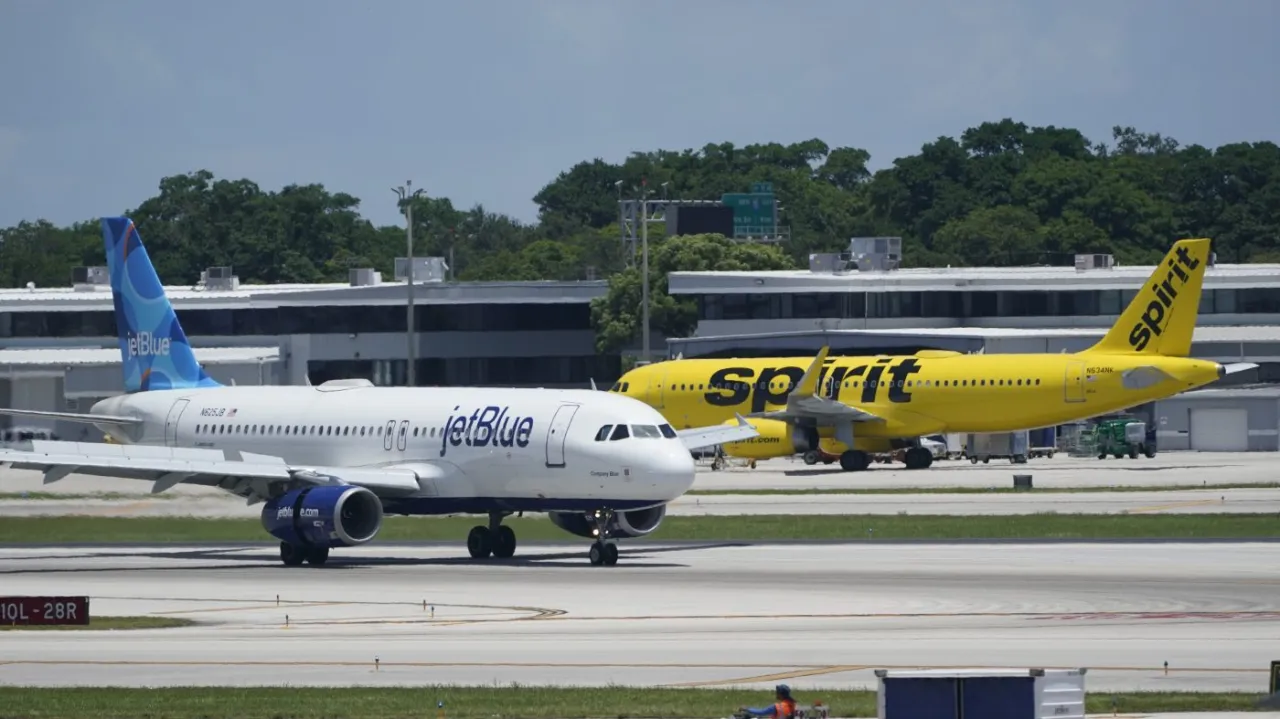
Thousands of in-flight fume events have been reported to the Federal Aviation Administration (FAA) since 2010, with many incidents involving Airbus A320 aircraft, according to an investigation by the Wall Street Journal. These events have led to serious health issues for passengers and crew, with symptoms reminiscent of brain injuries often found in professional athletes.
Airport Disruptions Due to Fume Events
Suspected jet fuel or smoke-related leaks have also caused operational halts at airports such as Charlotte Douglas International (CLT) and Augusta Regional Airport (AGS). Some incidents necessitated emergency evacuations and medical treatment for those onboard.
JetBlue‘s Response to the Increase in Incidents
The Wall Street Journal reports a rise in jet fuel leaks and toxic cabin air incidents, with a significant number linked to Airbus A320 planes, a popular model in commercial aviation.
- Flight attendant Florence Chesson recounted her 2017 flight to Puerto Rico (SJU), describing a pervasive “dirty feet” odor, disorientation, and long-term neurological symptoms post-flight.
- Two colleagues required hospitalization after the flight, although the aircraft was later dispatched to Boston (BOS).
- Her doctor, Dr. Robert Kaniecki, noted her symptoms resembled brain trauma seen in some NFL players. Over the past two decades, he has handled numerous cases similar to Chesson’s, reportedly linked to fume exposure during flights.
Various Aircraft and Airlines Affected
The issue is not exclusive to Airbus models. Earlier in the year, an American Airlines Bombardier CRJ900 operated by American Eagle encountered smoke after landing at Augusta Regional Airport (AGS) from Charlotte Douglas (CLT). The situation led to an on-runway evacuation without injuries and prompted an FAA investigation. The airline attributed the issue to a maintenance problem, ensuring all passengers had a safe transition to the terminal.
An incident with China Southern Airlines saw an overhead locker fire due to a passenger’s power bank, creating smoke that the crew successfully managed. The flight safely returned with no reported injuries.
Addressing the Safety Concerns
While passenger devices account for some cases, experts observe a recurring pattern linked to aircraft systems and engines, prompting safety concerns. The FAA continues to examine reported events, yet the aviation industry is advocating for improved monitoring and preventive strategies. There is increasing pressure for transparent reporting and consistent testing, with flight attendant unions and advocacy groups calling for enhanced training for quick response to potential contamination.