
American Airlines Ordered to Pay $9.6 Million for In-Flight Medical Negligence
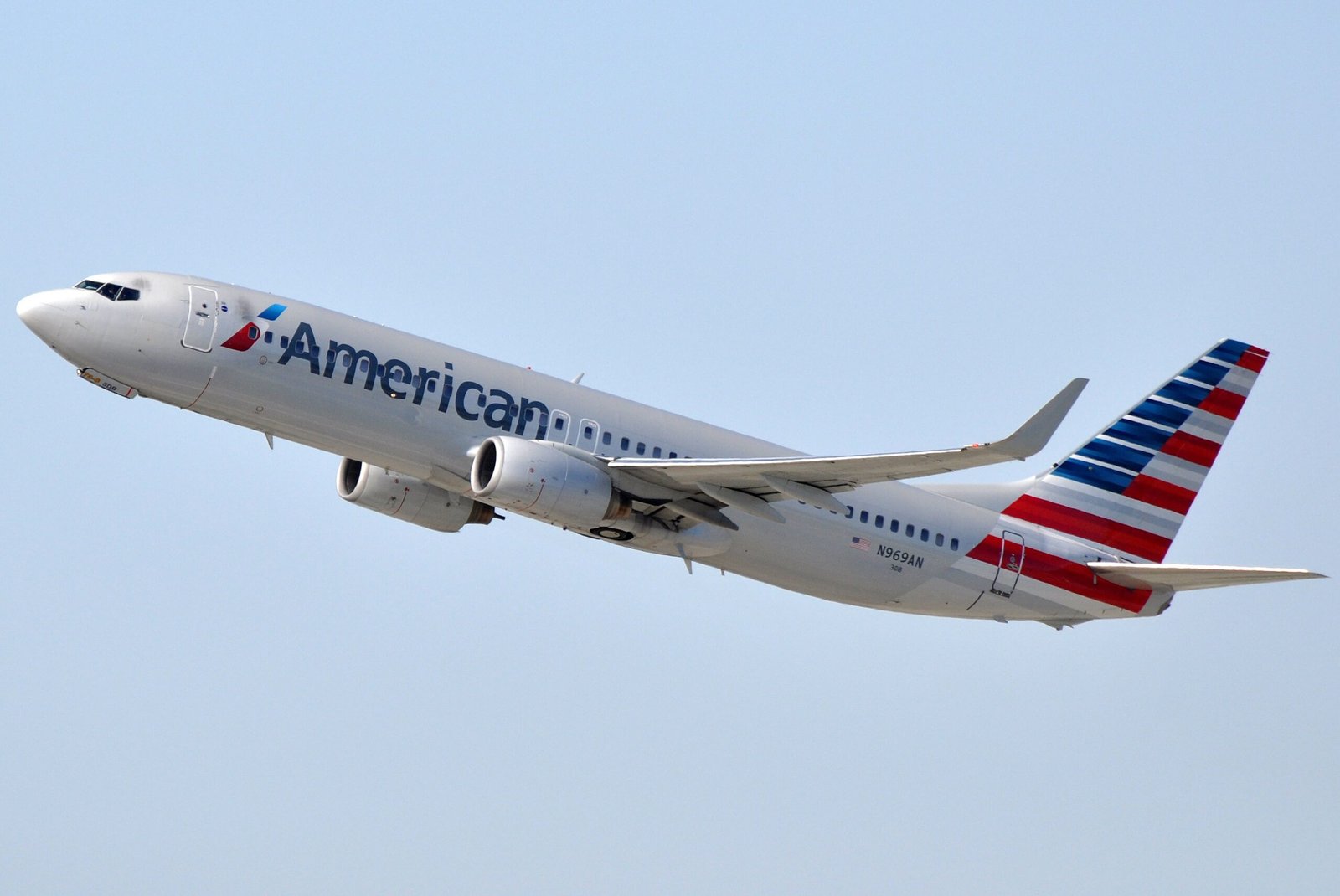
The Federal Jury in California has ruled that American Airlines must pay $9.6 million in damages after failing to adequately manage a medical emergency during a transatlantic flight. This decision pertains to American Airlines Flight 68, which operated from Miami (MIA) to Madrid (MAD) in March 2021.
Incident Overview
A jury based in San Jose (SJC) determined that American Airlines neglected its medical emergency protocols when Jesus Plasencia, a resident of Watsonville, California, displayed signs of a stroke shortly after the plane took off. This ruling highlights the critical role airlines play in addressing medical situations during flights.
Details of the Medical Emergency
During the six-day trial, evidence showed that Plasencia, a chef, had experienced a transient ischemic attack (TIA) while still at the Miami gate. A TIA, often referred to as a mini-stroke, is a temporary episode of reduced blood flow to the brain, sometimes signaling a potential stroke.
Despite Plasencia not realizing his condition, his wife, Marcela Tavantzis, recognized his symptoms of lost motor control and incoherent speech. She informed a flight attendant, but the situation was not escalated per American’s protocols. Consequently, the pilot still permitted take-off.
Response and Consequences
After take-off, Plasencia exhibited significant stroke symptoms, including impaired speech and mobility. Instead of contacting the captain or seeking medical assistance, the crew reportedly asked fellow passengers to monitor him. This oversight left Plasencia untreated for over eight hours, deviating from standard practice which typically involves diverting flights for severe medical emergencies.
| Length of Medical Neglect | Over 8 hours |
|---|---|
| Standard Emergency Practice | Flight Diversion |
The jury’s verdict affirmed that American Airlines breached its obligations and endangered passenger safety. Plasencia’s legal team claimed that this neglect postponed vital treatment, exacerbating his condition.
Legal Foundations: Montreal Convention
Plasencia’s attorneys referenced the Montreal Convention, a treaty offering passenger protections on international flights, establishing American’s liability for failing to protect Plasencia as mandated by law.
- Lead Attorney: Darren Nicholson, Burns Charest, Dallas
- Co-Counsels: Hannah Crowe and Sanjiv Singh
The defense argued the stroke resulted from pre-existing conditions instead of negligence. However, the jury sided with the plaintiffs.
Airline’s Response and Broader Implications
Post-verdict, American Airlines upheld that passenger safety is their top priority but expressed disagreement with the ruling and is considering further legal options.
This case intensifies the scrutiny on airlines’ responses to in-flight medical emergencies, emphasizing the necessity for swift action and medical protocol adherence. Industry experts suggest this verdict might lead carriers to refine training and procedures to mitigate similar liabilities.