
Delta Air Lines Retrofitting Winglets: A Strategic Move
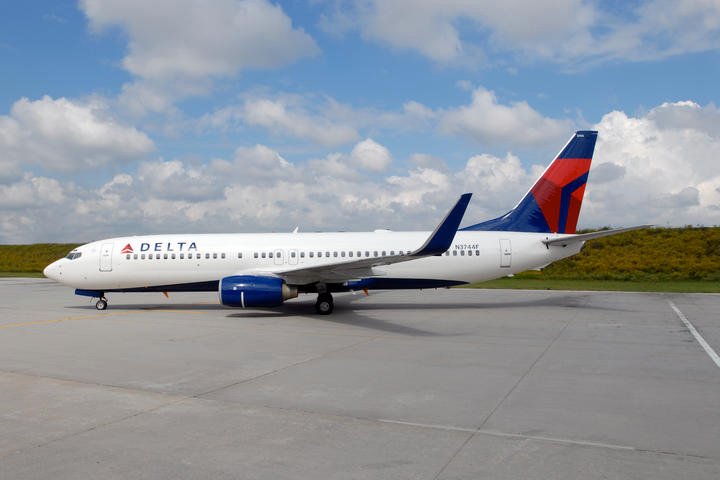
Delta Air Lines has opted to retrofit several Boeing 737-800 and Boeing 737-900ER aircraft with Boeing’s Split Scimitar Winglets. This modification incorporates a redesigned upper winglet and a downward-facing strake, significantly reducing the wingtip vortex.
Technical Details and Benefits
By reducing drag, these winglets lower block fuel consumption and enhance the range or payload capacity of the aircraft, especially on long-haul or high-altitude routes. This upgrade aligns with Delta’s strategy to standardize and improve the efficiency of its fleet without removing aircraft from service, providing a buffer against fuel price volatility.
A Historical Perspective on Delta’s Winglet Upgrade
Delta Air Lines initiated its investment in Aviation Partners Boeing’s (APB) Split Scimitar Winglets in 2015, enhancing its Boeing 737-800 and 737-900ER aircraft. The carrier had previously outfitted its Boeing 757-200, 757-300, and 767-300ER aircraft with similar APB products, reducing fuel consumption and increasing operational efficiency.
Financial and Environmental Implications
The retrofitting promises substantial returns by saving on fuel costs. Craig McCallum from APB highlighted that industry challenges have prompted airlines to explore cost-saving options outside emissions reduction.
Environmental Commitment and Shareholder Interest
Delta views the acquisition of additional winglet products as a step toward sustainable aviation. The reduction in fuel consumption due to less drag aligns with Delta’s environmental goals, potentially lowering ticket prices and enhancing the passenger experience. APB’s confidence in this partnership underscores its environmental impact through reduced carbon emissions.
Economic Impact of Winglet Investment
From a financial standpoint, reduced fuel consumption decreases overall costs, as fuel is a major and variable expense for airlines. The retrofit process is not cost-prohibitive, and the installation does not involve significant regulatory hurdles, minimizing execution risks.
Understanding Delta’s Boeing 737 Fleet
The Boeing 737 fleet forms the core of Delta’s domestic operations, utilizing models like the 737-800 and the higher-capacity 737-900ER with CFM56-7B engines. The following table showcases Delta’s current 737 fleet:
| Boeing 737 Variant | Number of Aircraft in Fleet |
|---|---|
| Boeing 737-800 | 77 |
| Boeing 737-900ER | 153 |
| Boeing 737 MAX 10 | 100 (ordered) |
Delta’s pending order for the Boeing 737 MAX 10 will expand capacity, creating a more flexible fleet arrangement.
Final Thoughts on Delta’s Strategy
By upgrading winglets, Delta Air Lines enhances the fuel efficiency of its Boeing 737 fleet, demonstrating a keen strategic and financial acumen. The decision, made years ago, continues to provide visible benefits today, reflecting positively on Delta’s investor appeal and operational effectiveness.