
Why Airlines Are Phasing Out First Class
In recent years, travelers have noticed a notable shift in aircraft cabin configurations, with first class sections gradually disappearing from the fleets of many major airlines. This change has sparked curiosity among frequent flyers and industry observers. Why are airlines moving away from offering their most prestigious service, often associated with premium pricing and elite comfort?
The reasons lie in evolving passenger preferences, changing economic pressures, and strategic decisions made by airlines in response to post-pandemic realities and long-term shifts in global travel demand. Thus, the role of first class in airline business models is being reevaluated.
The Changing Economics of Airline Seating
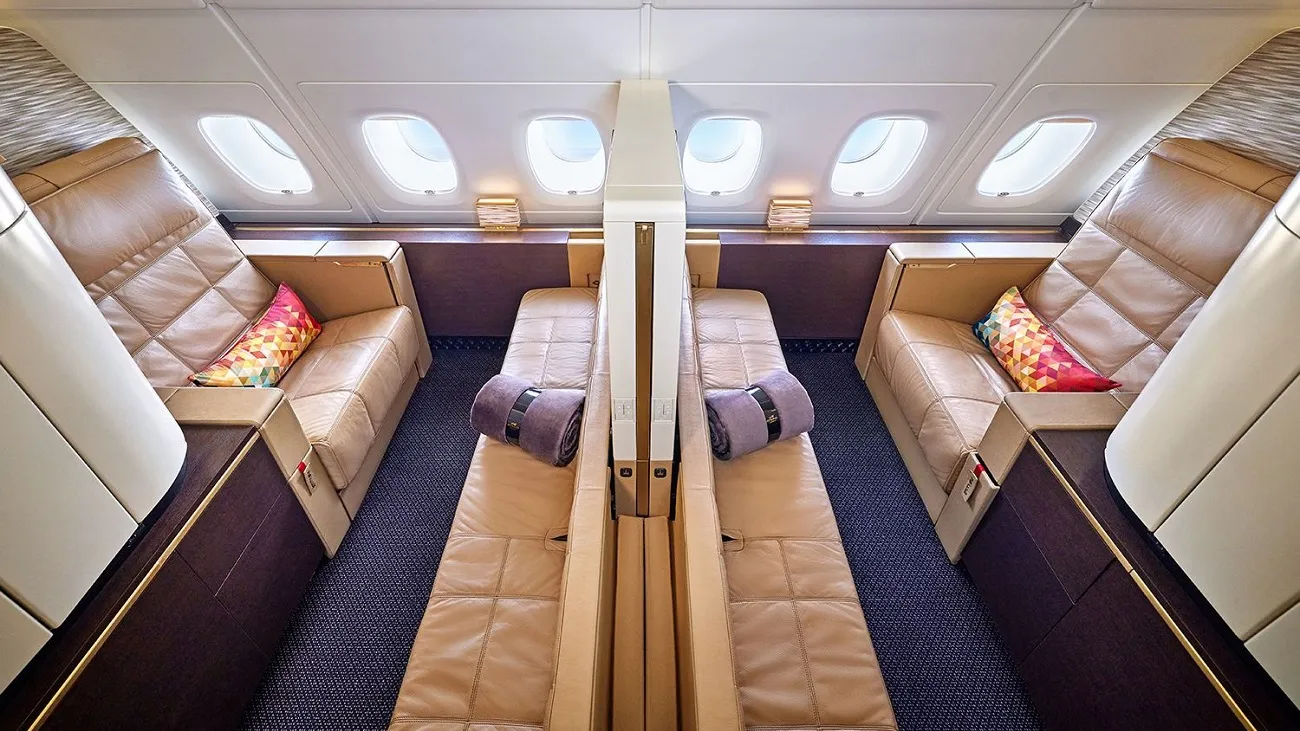
Every square foot of cabin space must justify its existence in terms of revenue. Although luxurious and prestigious, first class cabins often occupy space that could be more efficiently used. A single first class seat may take up the same space as two or three business class seats, making the latter often more profitable per square foot.
Advancements in business class have further narrowed the gap between the two classes, making first class less attractive to both passengers and airlines. Business class offerings, with lie-flat seats, high-end dining, and privacy features, provide a similar experience to first class at a more sustainable cost for both airlines and travelers. Therefore, many airlines are reducing first class to increase more profitable business class seats.
Business Class Evolution Blurs the Lines
Over the past decade, business class has transformed dramatically, evolving into a near-luxury experience. Modern business class cabins feature lie-flat seats, direct aisle access, enhanced privacy, and gourmet dining. Airlines have invested heavily in business class to appeal to high-end leisure and corporate travelers, who are the most profitable segments.
First class now has a narrower market, while business class offers broader appeal and higher return on investment. As a result, carriers have expanded premium business seating, introducing branded experiences like All Nippon Airways’ ‘The Room’ or Qatar Airways’ ‘Qsuite,’ effectively replacing the need for traditional first class.
Passenger Preferences and Demand Shifts
A significant shift in consumer behavior has influenced airline cabin offerings. Modern travelers, even those willing to pay a premium, increasingly prioritize value, privacy, and functionality over excess luxury, which business class now effectively provides. Corporate travelers, who constitute a significant portion of high-revenue passengers, find it harder to justify first class fares when business class offers comparable comfort at a lower cost.
| Metric | Figure (Per IATA & Centre For Aviation) |
|---|---|
| Growth rate of international premium class travel (first + business) in 2024 | 11.8% year‑on‑year |
| Growth rate of international economy class travel in 2024 | 11.5% year‑on‑year |
| Number of international premium class passengers in 2024 | 116.9 million (6% of all international passengers) |
| Leading region in premium growth (Asia Pacific) statistics | 22.8% growth to 21 million premium passengers; economy class in Asia Pacific grew 28.6% to 500.8 million passengers. |
| Region with the highest share of premium travel | In the Middle East, 14.7% of travelers are in premium cabins; Europe has the largest number of premium passengers at 39.3 million. |
The Impact of Long-Haul and International Routes
Long-haul flights, traditionally a stronghold for first class, have seen a shift towards more space being allocated to business class seats, which offer a profitable balance of comfort. The competitive landscape of international routes forces airlines to maximize efficiency, further justifying the expansion of business class over first on these routes.
Emerging trends like ultra-long-haul flights and expanded premium economy options also influence cabin design decisions, providing near-first class comfort without first class costs, reducing the economic case for maintaining traditional first class cabins.
Airline Profitability and Cost Efficiency
The need to maximize profitability per available seat mile is placing pressure on premium cabin configurations. First class cabins, while luxurious, occupy a significant amount of space relative to their revenue generation. Their high outfitting and operational costs reduce potential profit margins when load factors are low.
| Airline | Increasing / Introducing First Class or Premium Seats | Reducing / Removing First Class |
|---|---|---|
| Etihad Airways | Introducing first‑class suites on its A321LR narrowbody aircraft. | — |
| Air India | Re‑introducing First Class cabins on its A350‑1000s with private suites. | — |
| Air France & Lufthansa | New premium First Class products (‘Allegris First Class,’ revamped ‘La Première’) | — |
| American Airlines | — | Eliminating first class on international long‑haul flights, expanding business class (Flagship Suites) |
| Korean Air | — | Removed first class from most long-haul routes during/after the pandemic. |
| Thai Airways | — | Planning to discontinue Royal First Class over the next 2–3 years as part of restructuring. |
What Does the Future Hold for Premium Travel?
The future of premium travel is shifting, with first class becoming less common as airlines focus on comfort and value in business class and premium economy. Some airlines, such as Emirates, continue to invest in ultra-luxury first class suites, while others are phasing them out. Enhanced seat design, improved privacy, and digital personalization are becoming standard in business class, narrowing the gap between it and first class. Sustainability concerns are also influencing premium cabins, driving moves towards more fuel-efficient operations.