
The Safety Milestone of Airbus’ Fly-By-Wire Technology
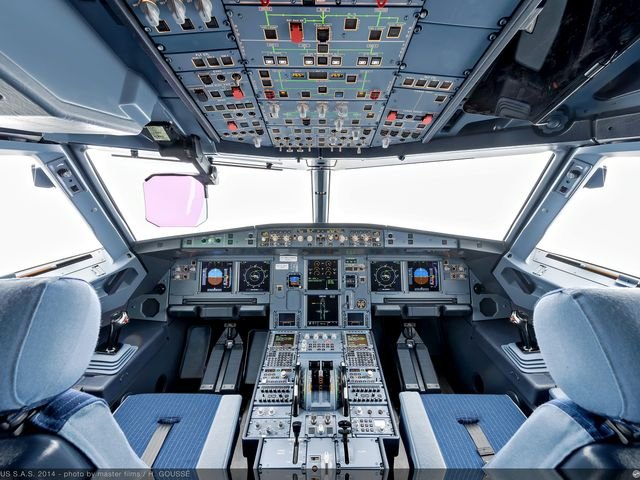
Airbus pioneered the integration of fly-by-wire (FBW) systems in commercial aviation, starting with the Airbus A320 program launched in the late 1980s. This fully digital FBW system replaced the traditional mechanical controls with an electrical-based setup, allowing computer systems more influence over the aircraft’s operations.
Challenges in Adoption
Despite the success of this approach, initial skepticism from regulators led to intense scrutiny during the A320’s certification process. Over the years, Airbus has progressively refined the FBW architecture across its aircraft models, maintaining a remarkable safety record. Subsequently, other manufacturers have also adopted digital flight control systems in their aircraft designs.
Transforming Aircraft Control Systems
Before the A320, commercial aircraft relied on mechanical and hydro-mechanical systems for control, which were prone to wear, corrosion, and lacked redundancy. Airbus addressed these problems by introducing a digital system that reduced aircraft weight and required less maintenance, while enhancing safety through envelope protections that limited pilot error.
Development of Fly-By-Wire
Airbus began rolling out limited FBW features with the Airbus A310 in the early 1980s, paving the way for the comprehensive system later seen in the A320. Leveraging technology from military jets, Airbus introduced electronic signal-based controls and multiple flight control computers, enhancing redundancy and safety.
Certifying the A320
Due to the innovative nature of its FBW technology, the A320 was subjected to rigorous certification by European and FAA authorities, including tests at Airbus’s “Iron Bird” test facility. These tests paved the way for the A320’s successful entry into service in 1988 with Air France.
| A320-200 | Specifications |
|---|---|
| Entry into Service | April 18, 1988 |
| Range | 3,300 NM (6,112 km) |
| Typical Seating | 150–180 passengers |
| Engines | 2x CFM56 or IAE V2500 |
| Launch Customer | Air France |
Proven Safety Record
Nearly four decades of FBW technology in commercial aviation have demonstrated its safety, with no crashes attributed to system malfunctions. While few incidents have involved pilot error, such as the Air France Flight 296Q A320 crash in 1988, FBW includes safeguards preventing pilots from exceeding the aircraft’s limits.
Fly-By-Wire Evolution
Since the A320, Airbus has upgraded its onboard computer systems, consistently refining safety elements with each new aircraft model. Enhanced envelope protections and redundancy allow Airbus aircraft to maintain safe flight even amid multiple system failures. Despite challenges like those encountered with the A321neo, Airbus continues to improve its systems to ensure safety.
Industry Adoption
Following the A320’s success, other manufacturers, including Boeing, have adopted FBW technology, further spurring improvements in aviation safety. Fly-by-wire systems are now standard across the industry, coinciding with a notable reduction in accident rates, underscoring their pivotal role in aviation safety advancements.