
United Airlines Declines to Bid for Spirit Airlines‘ Assets
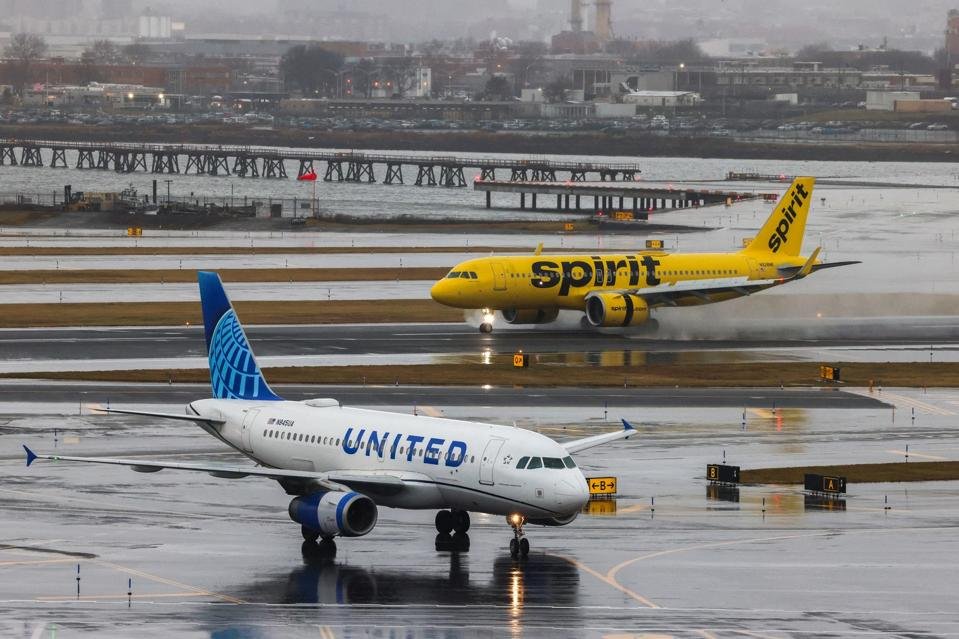
United Airlines CEO Scott Kirby has confirmed that the company will not pursue the acquisition of Spirit Airlines’ assets. Despite Spirit Airlines’ financial difficulties, United is not interested in acquiring the assets as they do not align well with its strategic goals.
Assets Available for Sale
Spirit Airlines owns a range of valuable assets, including aircraft, landing slots, and route rights, which may soon be available for purchase. However, Kirby highlighted that acquiring these would necessitate significant reconfiguration, a process that would span 2-3 years and cost approximately $15 million per jet. According to Kirby, these requirements make the acquisition unattractive and impractical for United’s operational model.
United Airlines’ Operational Focus
The airline’s strategy involves focusing on expanding its current operations rather than integrating Spirit’s resources. Currently, United is introducing flights to around 15 cities served by Spirit Airlines, compensating for the competitive customer destinations without acquiring new assets. This expansion underscores United’s commitment to organic growth within its network.
Evaluating Potential Synergies
United Airlines operates with a premium network, heavily focusing on business travel and high-volume leisure destinations. Consequently, integrating Spirit’s assets would not yield significant synergies, given the wide disparity in operational focus and target market. Kirby’s remarks reflect a strategic decision to maintain compatibility within United’s established routes and network dynamics.
Future Expansion Plans
As part of its expansion agenda, United plans to enhance its fleet and services. The airline aims to increase capacity by adding more economy-class seating on both domestic and international routes. Additionally, efforts are underway to recruit over 2,500 pilots by next year, in line with anticipated Boeing deliveries.
United is also awaiting the resolution of a pending Airbus A350 order, intended to modernize and replace parts of its international fleet, including aging Boeing 767s and 777s.
Industry Context and Competition
Scott Kirby’s thesis that Spirit’s assets are not attractive finds support in United’s existing operational structure and the competitive landscape. While United is steering clear, other carriers such as Delta, Alaska, Frontier, and JetBlue might vie for Spirit’s aircraft and routes. Each airline’s strategy could benefit from incorporating Spirit’s available resources, especially in addressing aircraft delivery challenges and pilot shortages.
Despite Spirit Airlines’ precarious position after declaring bankruptcy twice in a year, the airline has not yet gone out of business. Until then, competitors remain keenly interested in its potential assets.