
Air Canada Enhances Dash 8 Fleet with Major Cabin Upgrades
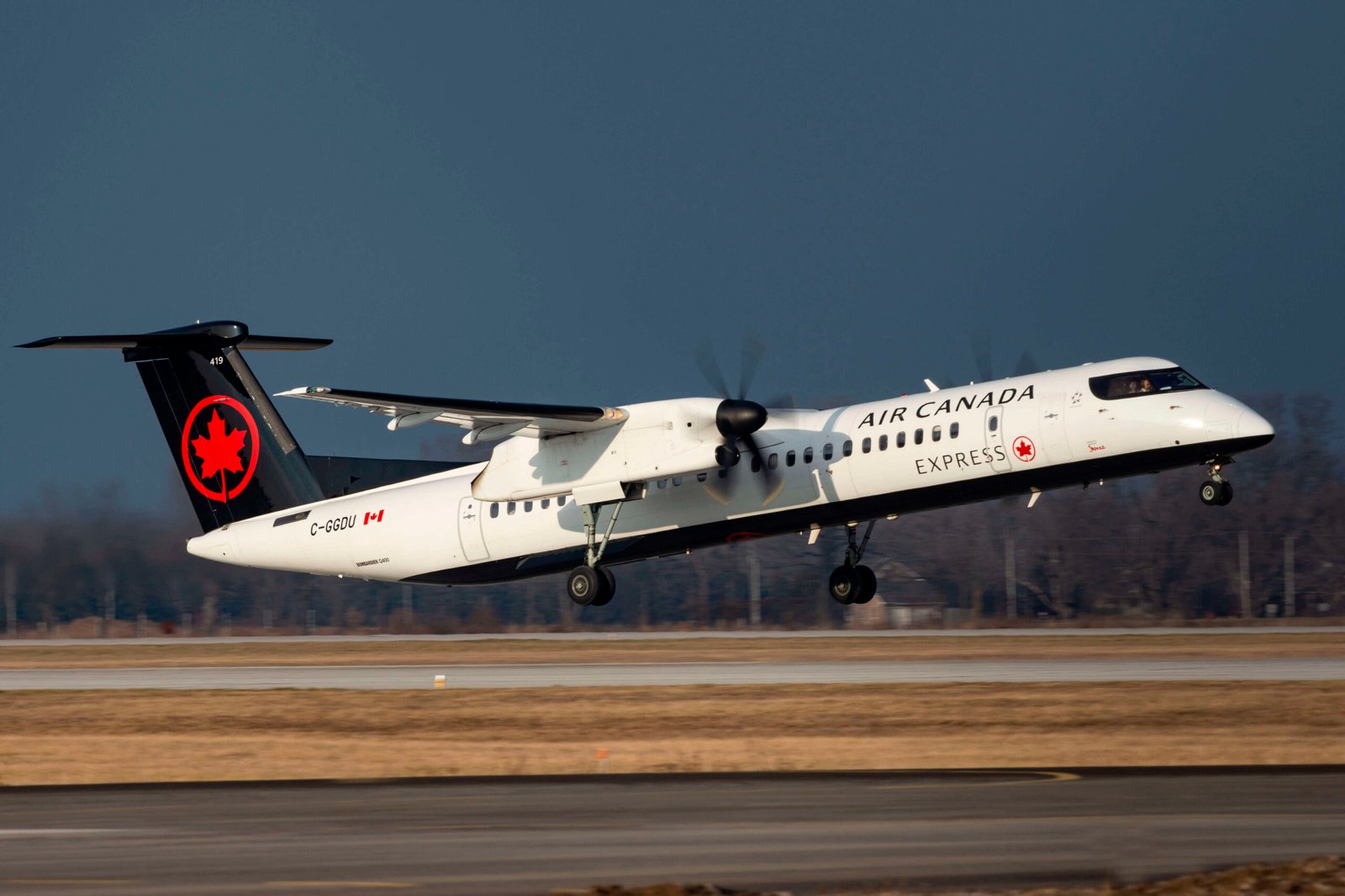
Air Canada has announced a significant interior renovation for its Dash 8 fleet, operated by Jazz Aviation as Air Canada Express. The focus of this overhaul includes new seating and revitalized cabin aesthetics that aim to improve passenger comfort on Air Canada’s shortest routes. A notable addition is the introduction of complimentary Wi-Fi on selected flights departing from Toronto Billy Bishop Airport, primarily to Montreal and Ottawa.
Upgrade Details for the Dash 8 Fleet
The refurbishment plan targets 25 Bombardier Dash 8-400 aircraft, with upgrades extending over phases and slated for completion by 2026. This initiative not only seeks to match the amenities found on mainline jets but also aims to offer a more connected and comfortable regional flying experience.
Among the most notable updates is the installation of gate-to-gate Wi-Fi on specific routes from Billy Bishop Airport. This feature marks a first for Bombardier Dash 8-400s worldwide. Further, the Wi-Fi services, provided by Bell, will be free of charge and subsequently rolled out across Air Canada’s entire mainline fleet.
Cabin Aesthetic Enhancements
The cabin refurbishments will include new ergonomic seating and contemporary finishes using materials that symbolize Canada’s diverse geographical regions. These design changes aim to enhance visual appeal while minimizing passenger fatigue on short-haul flights. Air Canada intends for these Dash 8-400 cabins to emulate many features seen in larger aircraft models.
Additional upgrades consist of visual and tonal updates to cabin elements such as lighting, textures, and color schemes. This broad refresh also includes updates to panels, overhead bins, bulkheads, and trim details. With these changes and the addition of Wi-Fi, Air Canada’s regional turboprop aircraft are poised to resemble its mainline jets more closely.
Operational and Passenger Impact
For passengers, these updates mean that regional flights will feel more premium. The inclusion of Wi-Fi on shorter routes offers passengers increased productivity and entertainment options. Moreover, the upgraded seating and interiors align the regional travel experience with customer expectations for larger flight options.
Operationally, Jazz Aviation and Air Canada must carefully organize installation schedules to minimize aircraft downtime. The plan involves logistical management of parts, interiors, and Wi-Fi hardware, with modifications scheduled based on aircraft routes and demand.
| Aircraft | Number In Air Canada Express Fleet |
|---|---|
| Bombardier CRJ900 | 35 |
| Bombardier Dash 8 Q400 | 46 (39 Jazz Aviation, 7 PAL Airlines) |
| Embraer E175 | 25 |
The introduction of free Wi-Fi represents a strategic adjustment for Air Canada, opting for an enhanced brand image and customer loyalty at the expense of ancillary revenue. This move aligns with a broader trend of increasing Wi-Fi availability across North American airlines.
Importance for Passengers and Communities
Regionally, turboprop aircraft like the Dash 8 Q400 have often been viewed as functional but lacking in passenger amenities. This is particularly relevant in Canada, where Air Canada Express and similar operators are crucial for connecting small communities. Enhancing comfort and connectivity not only boosts traveler satisfaction but also strengthens regional economic ties and cultivates business travel potential.
Furthermore, offering Wi-Fi on prominent business travel corridors underlines its impact. The introduction of lightweight seats contributes to reduced fuel consumption and emissions, blending passenger comfort with economic efficiency. Ultimately, these upgrades bring Air Canada Express cabins closer to the level of its mainline jets, better managing customer expectations.