
US Demands Delta and Aeromexico End Joint Venture by 2026
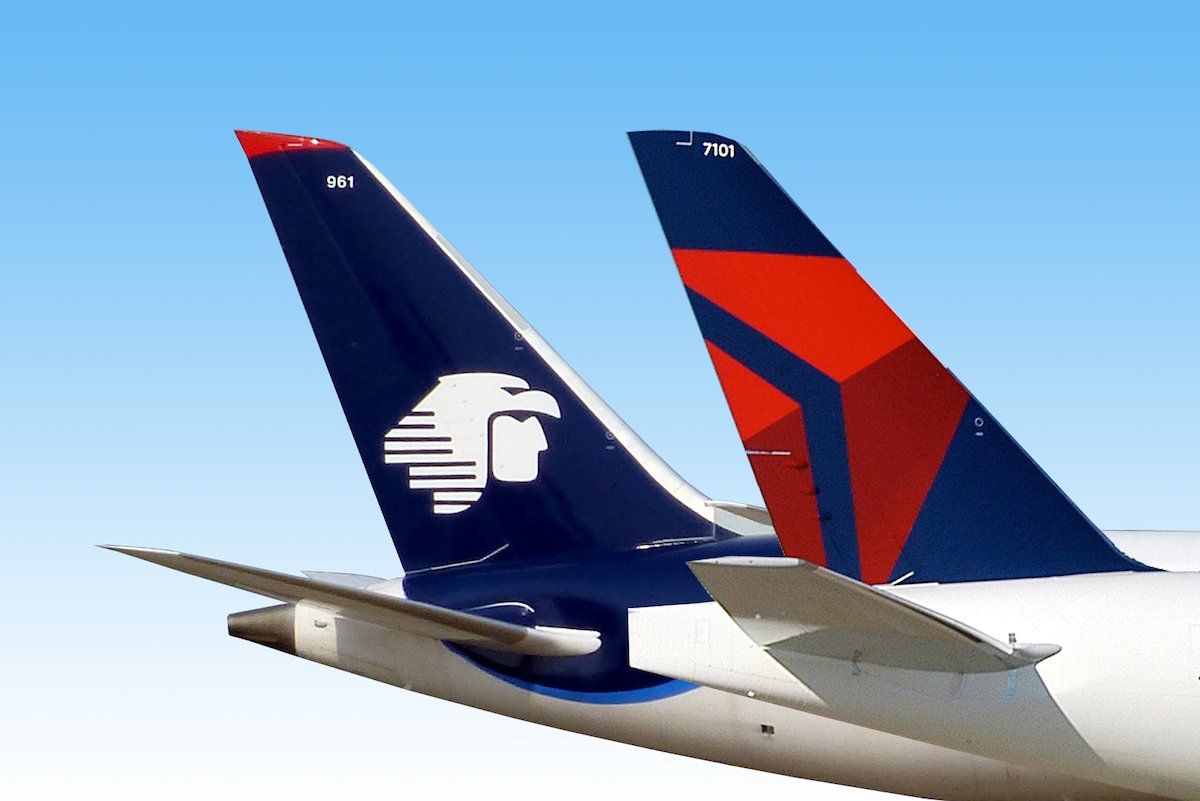
The United States government has mandated that Delta Air Lines and Aeromexico cease their joint venture by January 1, 2026. This decision concludes a nine-year partnership that permitted the airlines to synchronize schedules, pricing, and capacity for flights between the US and Mexico.
Background on Delta and Aeromexico Partnership
- Delta Air Lines:
- IATA Code: DL
- ICAO Code: DAL
- Type: Full Service Carrier
- Hubs: Boston Logan, Detroit Metropolitan, Hartsfield-Jackson Atlanta, Los Angeles, Minneapolis-St. Paul, New York JFK, LaGuardia, Salt Lake City, Seattle-Tacoma
- Founded: 1929
The Department of Transportation (DOT) articulated that the joint venture needs termination due to its anticompetitive effects on the US-Mexico market. Currently, Delta and Aeromexico manage around 60% of passenger flights between Mexico City Airport and the United States, a vital international gateway.
Delta’s Reaction
Both airlines expressed dissatisfaction with the US government’s verdict. Despite Delta’s 20% equity holding in Aeromexico, the DOT hasn’t mandated the sale of this stake. Delta responded to the order, stating:
“We are disappointed that the Department of Transportation has chosen to terminate its approval of the strategic and pro-competitive partnership between Delta and Aeromexico, a decision that will cause significant harm to US jobs, communities, and consumers traveling between the US and Mexico. We are reviewing the Department’s order and considering next steps.”
Origin of the Decision
The US-Mexico Open Skies Agreement of 2015 aimed to liberalize air travel, enhancing market access. After receiving antitrust immunity in 2016, Delta and Aeromexico operated jointly. However, this year, a peripheral trade dispute prompted the DOT’s reconsideration of the joint venture’s antitrust immunity.
The DOT pointed to restrictive policies by the Mexican government that went against the Open Skies principles, particularly at Mexico City International Airport. These regulations were seen as inhibiting competition and limiting slot availability for US airlines.
Impact on Global Airlines
Complex slot allocations are not unique to the US-Mexico context. Similar challenges persist in European airports like London Heathrow and Dublin, known for stringent slot restrictions. The previous US administration had signaled potential implications for European countries over these constraints, a matter resurfacing amid current developments.
Trade wars, such as those instigated under the Trump administration, have introduced uncertainties for US carriers. Increased tariffs on essential aviation materials have driven operational costs up, affecting supply chains and scheduling, notably for Boeing aircraft.