
Why Are Aircraft Predominantly Painted White?
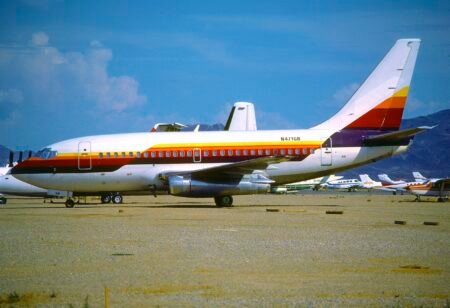
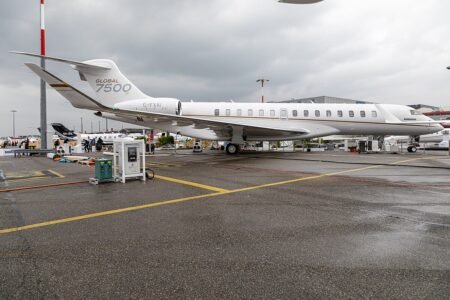
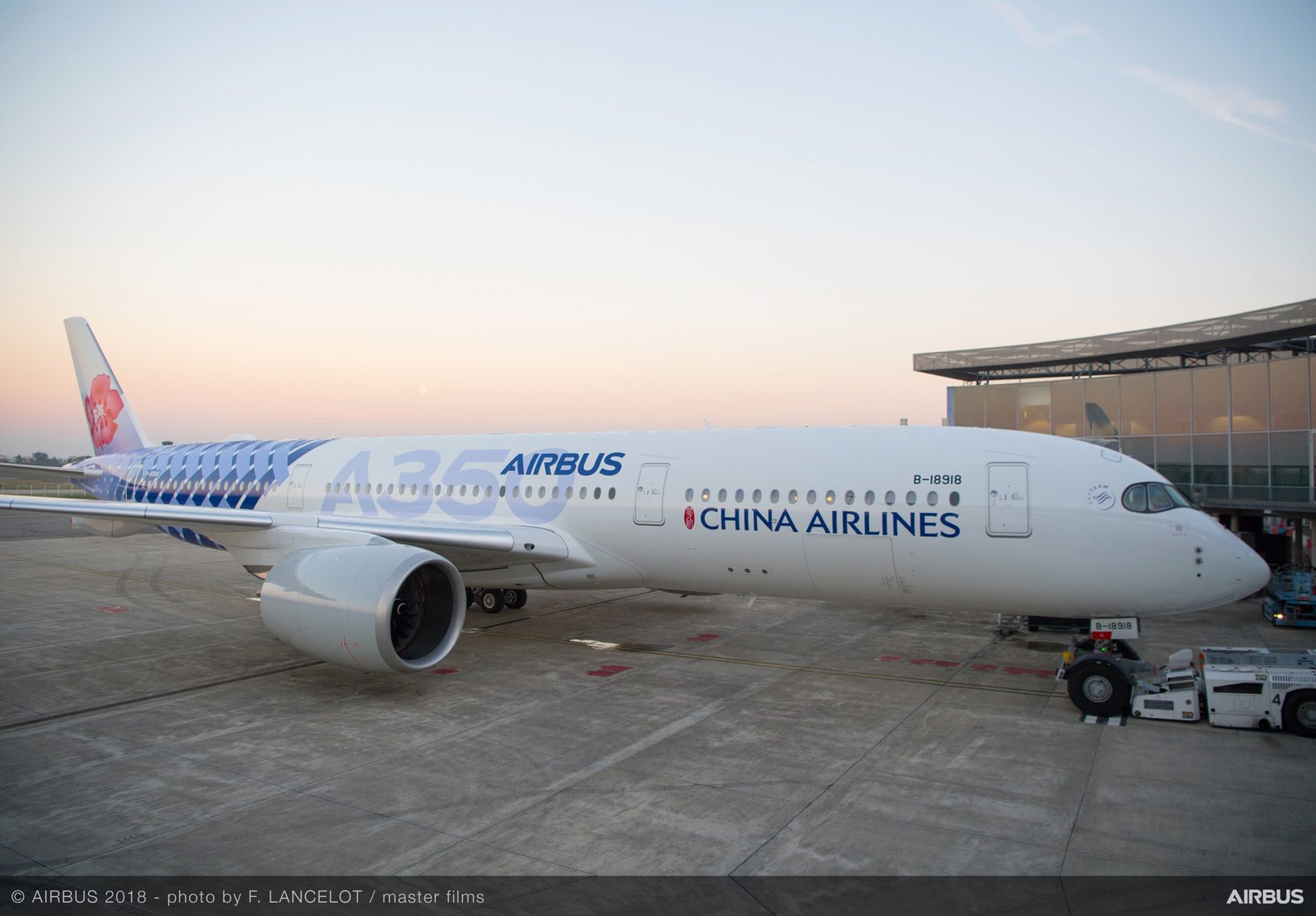
Aircraft manufacturers and airlines often choose white paint for various reasons related to safety, efficiency, and cost-effectiveness, despite some exceptions like Air New Zealand. White paint offers advantages that other colors cannot match.
1. Heat Reflection
White paint reflects sunlight more efficiently than darker colors, keeping the fuselage cooler during ground operations. This reflection decreases the energy needed for air conditioning, thereby reducing fuel consumption and enhancing passenger comfort before takeoff.
2. Structural Protection
Operating under harsh conditions, aircraft are constantly exposed to elements such as UV rays, rain, snow, and ice. White paint helps safeguard the metal and composite materials by deflecting solar radiation, whereas darker paints would absorb more heat, accelerating material degradation.
3. Easy Damage Detection
Routine inspections are simpler with white paint, as it makes detecting cracks, dents, and oil leaks straightforward. Dark fluids like fuel or hydraulic oil stand out on a white surface, enhancing safety and minimizing maintenance delays.
4. Weight and Efficiency
Although paint adds weight to an aircraft, a darker color does not weigh more than white; however, it requires more frequent repainting. Frequent repainting increases downtime and maintenance costs. White fades less noticeably, extending repaint cycles.
5. Cost Savings
Given the thin profit margins under which airlines operate, the lower frequency of painting required for white planes helps in cost reduction and optimizes aircraft availability.
6. Safety in the Sky
White planes offer improved visibility against blue skies and green landscapes, aiding pilots and ground crews during operations. They are also easier for search-and-rescue teams to detect during emergencies.
7. Resale Value
White aircraft possess a universal appeal, making them easier to sell or lease. Leasing companies favor white as it diminishes repainting costs when transferring aircraft between different operators.
8. Reduced Bird Strikes
Studies suggest that white aircraft are more visible to birds, potentially reducing collision incidents, thus contributing to overall safety.
9. Thermal Fatigue Reduction
White paint lessens the thermal expansion and contraction cycle stress on aircraft materials, thereby mitigating fatigue and repair costs over time.
10. Environmental Considerations
Lower energy for cooling translates to reduced carbon emissions. The reduced frequency of repainting curtails chemical waste, aligning with airline sustainability objectives.
Industry Tradition
Since the 1960s, most commercial jets have embraced white paint for practical reasons, although some airlines may add distinct liveries on top of the white base, reinforcing its dominance in the industry.
Exceptions to the Rule
While the majority of aircraft follow this tradition, exceptions exist:
| Airline | Fleet Livery Description |
|---|---|
| Air New Zealand | Entirely jet black livery—with white fern or koru designs—on select aircraft |
| American Airlines | Polished silver (unpainted metal) finish—no white—classic “bare metal” look |
| NokAir | Bright yellow body with smiling bird-themed designs |
| Southwest Airlines | Bold color scheme in blue, red, and gold (“Desert Gold” and “Canyon Blue”) |
| Spirit Airlines | Fully vibrant yellow livery (Ultra-low-cost carrier branding) |
Conclusion
Choosing white paint for aircraft is based on practicality. It efficiently reflects heat, protects materials, enhances safety, and reduces costs while boosting effectiveness from passenger comfort to improving resale values.
FAQs on Why Aircraft are Painted White:
- Can aircraft be painted in any color?
Yes, airlines can use any color, but white is preferred due to its cost-effectiveness and maintenance ease. - Why aren’t planes often painted blue?
Darker shades like blue absorb more heat, increasing cabin temperatures and cooling costs. - Why don’t airlines opt for more colorful designs?
White provides superior heat management, eases damage detection, and lowers operational costs.